More than 300 people walked out of captivity in northern Nigeria after a joint security operation, but the rescue also exposed how little the public is told about major state actions.
Quick Take
- Nigerian security forces said they freed **308 abducted people** in one operation.
- The presidency said **163** came from Woro in Kwara State and **145** from Niger State.
- Officials said the victims were rescued from **Kainji Lake National Park forest** and taken for medical care.
- The government called it the **largest same-day rescue operation** by a joint security team.
What Officials Said Happened
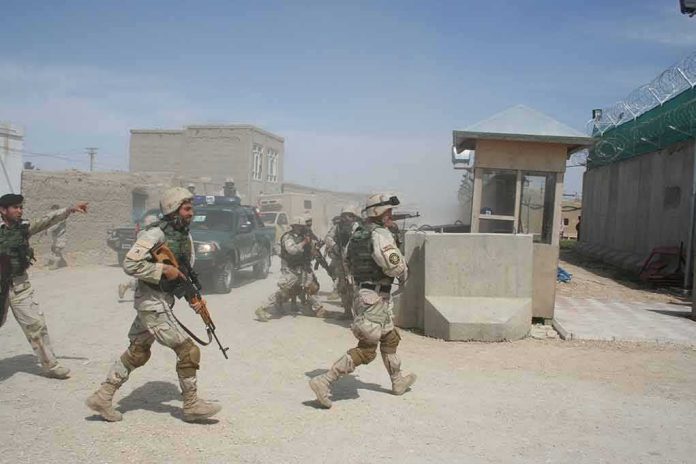
Reuters reported that Nigerian security forces rescued 308 people abducted in separate attacks in Niger and Kwara states. The presidency said 163 were taken from Woro community in Kwara’s Kaiama district and 145 from Niger State. Officials said the victims were freed from the Kainji Lake National Park forest during a coordinated operation involving the armed forces, police, and intelligence services.
The rescued people were said to be receiving medical checks before being reunited with their families. Other reporting said some victims had been held for months after earlier attacks, which shows how long kidnapping groups can keep pressure on rural communities. That detail matters because it turns a headline rescue into a broader story about broken security, weak rural protection, and the cost ordinary families pay when armed groups move freely.
Why This Rescue Drew So Much Attention
Nigerian leaders described the operation as the biggest of its kind in a single day. That claim matters because hostage rescues in Nigeria often become political proof points, with officials using them to show control while giving few operational details. The public gets a strong headline, but not a full picture of arrests, command decisions, or how the rescue was carried out.
The story also fits a familiar pattern in Nigeria: the presidency and security agencies announce a major success first, and outside reporting follows the official frame. That does not mean the rescue did not happen. It means the public still has limited room to test the details. In a country worn down by kidnapping, that gap feeds frustration on both the right and the left.
What Is Still Unknown
Reuters said the presidency did not say whether any suspects were arrested. The available reports also do not provide an arrest list, casualty report, or full after-action account. One local report said some community leaders still believed 13 people were unaccounted for, which suggests the final tally may remain under discussion in parts of the affected area.
ONSA-COORDINATED JOINT SECURITY OPERATION RESCUES 308 KIDNAP VICTIMS IN KWARA, NIGER🔥
In one of the largest coordinated hostage rescue operations in recent months, a joint security mission coordinated by the Office of the National Security Adviser (ONSA) has rescued 308… pic.twitter.com/RPArpmyZV9
— 𝒀𝑨𝑺𝑺𝑬𝑹 𝑨𝑺𝑬𝑲𝑶𝑴𝑬 𝑮𝑨𝑹𝑩𝑨, PGD, MLSCM (@SAsekome) August 7, 2026
For many Nigerians, the rescue will land in two ways at once. It is a real relief for families whose loved ones came home alive. It is also another reminder that armed groups can still seize entire communities, while the state must celebrate a rescue instead of preventing the attack in the first place. That tension explains why a successful operation can still deepen public anger about security, trust, and government competence.
Sources:
facebook.com, theguardian.com, rt.com, aljazeera.com, globalpost.com, bbc.com, youtube.com