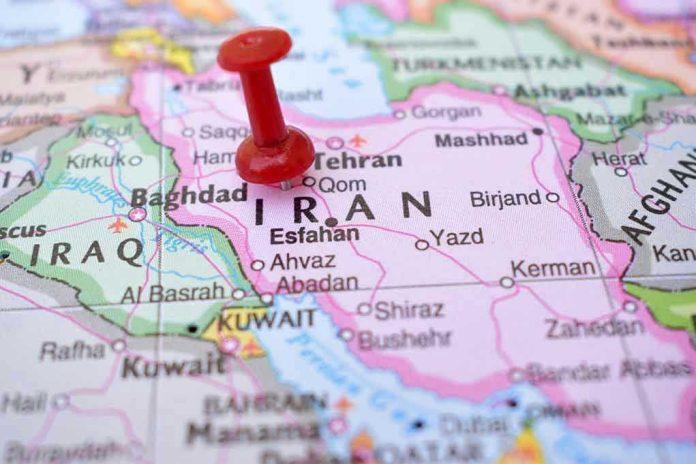
Iran’s mass expulsion of over 700,000 Afghan refugees in just six months is a sobering warning of what happens when a nation finally says enough is enough—and the chaos at the border is nothing short of a humanitarian and political disaster that the so-called global “experts” keep trying to excuse.
At a Glance
- Iran ordered all undocumented Afghan refugees to leave by July 6, 2025, triggering mass deportations.
- Over 714,000 Afghans have been forced out of Iran since January 2025, with no due process and little warning.
- International organizations are sounding alarms about a worsening humanitarian crisis and violations of international law.
- Iran’s crackdown reflects mounting economic, political, and social pressures—and exposes the failures of open-door refugee policies.
Iran’s Deportation Blitz: When “Enough” Finally Means Enough
Iran’s ultimatum to Afghan refugees—leave or get tossed out—expired on July 6, 2025, and the regime wasted no time making good on its threat. The numbers are staggering: more than 714,000 Afghans have been booted out in just six months. If you think that sounds harsh, consider the context. For decades, Iran tolerated millions of Afghan refugees fleeing war, poverty, and chaos, letting them fill the lowest-rung jobs and blend into the country’s shadows. But now, after years of economic decline, rising unemployment, and a public sick of footing the bill, the patience has snapped. Iranian authorities are no longer interested in playing the world’s dumping ground for failed states.
Iran’s leaders claim this is about “national security” and “economic stability.” The truth? This is about survival—political and economic. With sanctions biting, inflation raging, and social unrest bubbling, the government is shoving the refugee crisis back over the border, and they’re not asking nicely. The new line is clear: cross illegally, and you’ll be sent packing, no matter how many “human rights” groups stamp their feet and issue press releases.
The Human Fallout: Chaos on Both Sides of the Border
As the buses roll and families are dumped at the Afghan border, the so-called “international community” is waking up to the reality they created. Humanitarian organizations are screaming about the lack of due process, risk assessments, or even basic food and shelter for those expelled. They warn of a looming humanitarian disaster—especially for women, children, and minorities, many of whom now face persecution or deprivation under Taliban rule. But where was this outrage when Iran was left to shoulder the burden for decades, with the West and the UN offering little more than empty promises?
The Taliban regime claims to “welcome” the returnees, but let’s not kid ourselves. Afghanistan’s infrastructure is already in shambles, with millions unemployed and aid agencies stretched to the breaking point. The sudden flood of returnees is making a bad situation even worse: families separated, jobs lost, and a new wave of desperation rippling through communities already teetering on the edge. This is what happens when open borders and soft enforcement run headlong into economic reality—the bill always comes due, and it’s the most vulnerable who pay first.
A Global Warning: When Political Correctness Meets Reality
Iran’s mass deportations are the logical conclusion of failed border policies and naïve humanitarianism. For years, elites and activists insisted that countries like Iran and the United States could absorb endless waves of migrants and refugees, and anyone who questioned the cost was smeared as heartless or bigoted. Now, faced with internal unrest and shrinking resources, Iran is doing what any sovereign nation eventually must: put its own citizens first and enforce its laws—regardless of who complains.
If this sounds familiar, it should. The United States has been locked in a similar battle, with frustrated citizens demanding an end to open borders, unchecked illegal immigration, and taxpayer-funded handouts for noncitizens. When governments finally act—like with the new U.S. executive orders tightening border enforcement in 2025—the outrage from the usual suspects is deafening. But the facts are undeniable: weak borders invite chaos, undermine national security, and erode the social contract. Iran’s actions may be ruthless, but they are a wake-up call to every nation flirting with borderless idealism.