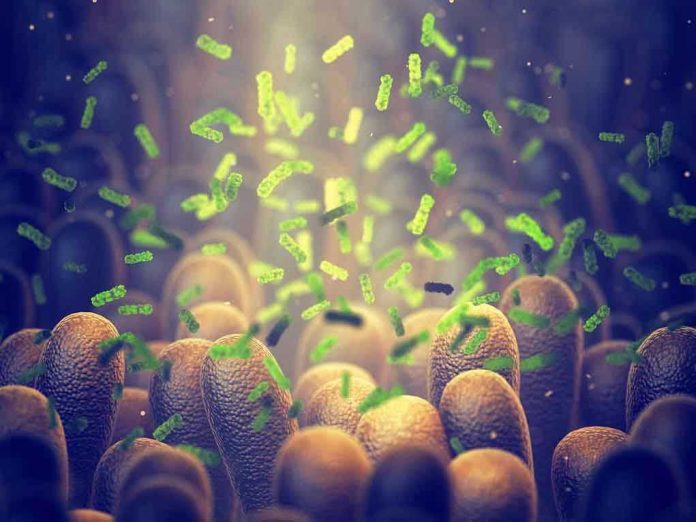
Two Americans have died and dozens more are hospitalized after consuming raw oysters tainted with flesh-eating bacteria, raising serious concerns about food safety and the government’s ability to protect public health amid shifting environmental threats.
Story Snapshot
- Fatal Vibrio vulnificus infections linked to raw oysters have surged across multiple states.
- Rising ocean temperatures are expanding the range of dangerous bacteria beyond the Gulf Coast.
- Health agencies urge caution, but economic and regulatory fallout threatens coastal communities.
- Public trust in seafood safety and government oversight is eroding as cases mount.
Deadly Bacteria Outbreak Exposes Seafood Safety Risks
Louisiana health authorities confirmed two deaths from Vibrio vulnificus after individuals consumed contaminated raw oysters, with dozens more infections reported from May through August 2025. The outbreak, which has resulted in four deaths in Louisiana and eight in Florida, highlights the vulnerability of Americans when basic food safety is compromised. The flesh-eating bacteria, historically concentrated in the warm waters of the Gulf Coast, now threatens consumers in states as far north as Massachusetts and New York due to expanding habitat caused by unprecedented ocean warming. Families who relied on seafood for tradition and livelihood are finding themselves at risk, driving calls for stronger precautions and oversight.
Vibrio vulnificus, the culprit behind these deadly infections, is a naturally occurring bacterium found in brackish coastal waters. It causes necrotizing fasciitis and severe sepsis, with a mortality rate as high as 20 percent for those infected. Immunocompromised individuals and those with chronic health conditions face the greatest danger, but recent cases show even healthy adults are not immune. The spike in cases coincides with seasonal water temperature peaks and increased seafood consumption, particularly raw oysters that filter and concentrate bacteria. Despite years of sporadic outbreaks, 2025 marks a dramatic escalation in both the number and geographic spread of infections.
Public Health Response and Community Impact
The Louisiana Department of Health and the Centers for Disease Control and Prevention have responded by issuing warnings, urging residents to avoid raw or undercooked seafood and to take protective measures when exposed to coastal waters. Surveillance and advisories have intensified, but there has been no recall of oysters, leaving many consumers confused and concerned. Seafood industry stakeholders—including oyster harvesters, distributors, and restaurant owners—are bracing for economic losses as public anxiety suppresses sales. Victims and their families, meanwhile, seek accountability and stronger safeguards, questioning why government action was not swifter or more decisive in the face of mounting evidence.
Coastal communities that depend on seafood tourism and commerce are disproportionately affected. The surge in Vibrio cases threatens not only individual health but also the livelihoods of countless Americans, amplifying social unrest and distrust in regulatory agencies. Political pressure is mounting for more rigorous safety standards and better monitoring, especially as climate change continues to alter the environmental landscape and increase risks. The broader industry may soon face new regulations, testing mandates, and certification requirements in an effort to restore consumer confidence and protect public welfare.
Expert Analysis and Long-Term Implications
Health officials and infectious disease specialists warn that Vibrio vulnificus outbreaks are likely to become more frequent and severe as ocean temperatures rise. Academic experts link the expanding range and seasonality of the bacteria directly to climate change, calling for enhanced adaptation strategies in public health planning. Some advocate for stricter regulations and mandatory testing of oysters, while others suggest targeted advisories to minimize unnecessary economic harm. The seafood industry, already facing declining sales, urges balanced messaging to avoid deepening the crisis. All credible sources—including the CDC, state health departments, and major news outlets—agree on the severity of the threat and the urgent need for improved safeguards.
Two dead after contracting flesh-eating bacteria from popular seafood product as dozens infected across multiple states https://t.co/sdkzxVkocH
— Daily Mail (@DailyMail) August 29, 2025
Despite consistent guidance from health authorities, uncertainty persists regarding the total scope of the outbreak due to reporting delays and gaps in national surveillance. The tragedy of preventable deaths and persistent infections underscores a broader erosion of trust in both government oversight and the safety of everyday products. As Americans grapple with the consequences of environmental change and regulatory shortcomings, the need for vigilance, transparency, and robust constitutional protections has never been greater.
Sources:
Cases of flesh-eating bacteria are on the rise. Here’s why
Louisiana Department of Health: Vibrio vulnificus 2025 update
Florida Department of Health: Vibrio vulnificus