Judges have blocked President Trump’s push to fast-track deportations of Venezuelan migrants by using a centuries-old wartime law, igniting concerns among conservatives about judicial interference with strong immigration enforcement.
Story Snapshot
- A federal appeals court stopped the Trump administration from using the Alien Enemies Act to deport Venezuelan migrants accused of gang ties.
- The court ruled the law does not apply to mass illegal migration or alleged gang activity, limiting executive power.
- This decision restricts the president’s authority to invoke wartime statutes for immigration control in non-war scenarios.
- Deportations may still proceed under other immigration laws, but this sets a legal precedent against broad executive action.
Judicial Block on Trump’s Use of Alien Enemies Act
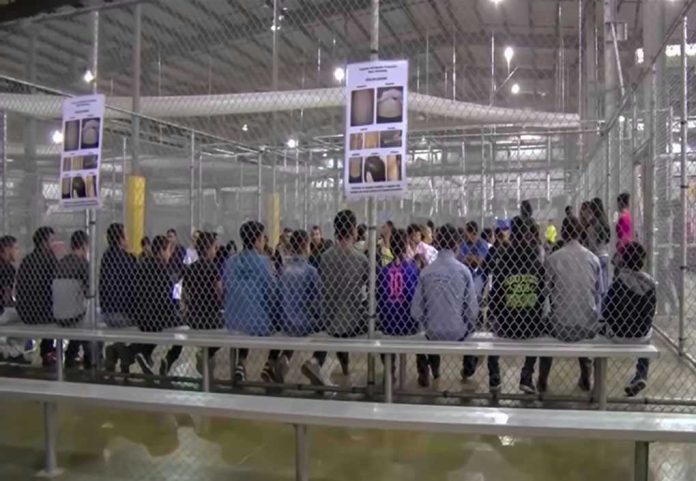
On September 2, 2025, a federal appeals court ruled that the Trump administration cannot use the Alien Enemies Act—a law from 1798—to expedite the deportation of Venezuelan migrants accused of gang membership. The administration had attempted to classify an influx of alleged Venezuelan gang members as an “incursion” justifying use of the statute, but the court found that the law is meant only for armed, organized forces during war. The ruling prevents the use of this specific wartime law, though other legal avenues for deportation remain available.
The case reached this point after migrants detained in Texas challenged their removal. While a district court and the Fifth Circuit initially denied relief, the Supreme Court blocked the removals in April 2025 and sent the case back for review. The appeals court, in its decision, emphasized that illegal entry by civilians, even if encouraged by a foreign government, is not equivalent to a military invasion or occupation. This legal interpretation sharply limits the executive branch’s tools for combating gang-related migration using historical wartime statutes.
Constitutional and Executive Power Implications
This ruling highlights the ongoing tension between executive authority and judicial oversight in immigration policy. The Trump administration has consistently sought expanded powers to address illegal immigration and border security, often invoking emergency or rarely used laws. However, federal judges have reinforced that constitutional checks and due process remain essential, even when the executive claims national security threats. The judiciary’s decision here underscores the requirement for the president to act within clear statutory limits, not beyond them, especially in peacetime contexts.
Advocacy groups and legal experts argue that this judicial check is necessary to prevent executive overreach and ensure that immigration enforcement respects civil liberties. Organizations such as the ACLU contend that using the Alien Enemies Act outside of declared wars would erode due process and open the door to arbitrary government power. While supporters of strong immigration enforcement may find the decision frustrating, the ruling affirms the role of the courts in upholding constitutional boundaries and individual rights, even in the face of surging migration and security concerns.
Impact on Immigration Enforcement and Conservative Concerns
In the short term, the court’s decision halts the use of the Alien Enemies Act for deporting accused Venezuelan gang members, requiring the administration to rely on traditional immigration statutes. Long term, this sets an important precedent restricting the president from using wartime powers to address non-military immigration issues. For conservatives, the outcome may fuel ongoing concerns about judicial activism, limits on presidential authority to protect the border, and the broader struggle to restore strong enforcement after years of perceived left-leaning policies. The case will likely intensify debates about constitutional limits, national sovereignty, and the urgent need for tougher immigration laws.
Court: Trump Can't Use Alien Enemies Act to Deport Members of Venezuelan Gang https://t.co/OMBfGJ4Cc3
— Joe Honest Truth (@JoeHonestTruth) September 3, 2025
While the administration may explore legislative or executive responses, the judiciary has made clear that only Congress can broaden the authority for such deportations. The case also sends a message internationally, signaling that U.S. courts will scrutinize any attempts to stretch old laws for modern enforcement. The decision may influence future legal strategies, advocacy, and policymaking around immigration, due process, and the proper balance of power between the branches of government.
Sources:
Federal Court Blocks Trump Administration Fast-Track Deportation Policy | ACLU