President Trump just threatened to fire America’s top military commanders “right on the spot” during a rare gathering that has defense experts questioning the future of civil-military relations.
Story Snapshot
- Trump addressed top military leaders at Quantico, threatening immediate dismissals for unsatisfactory performance
- Defense Secretary Pete Hegseth announced an end to the “war on warriors” in military culture
- The unprecedented gathering signals a dramatic shift in military leadership accountability
- Military analysts warn of potential damage to institutional integrity and morale
Commander-in-Chief Draws Battle Lines at Quantico
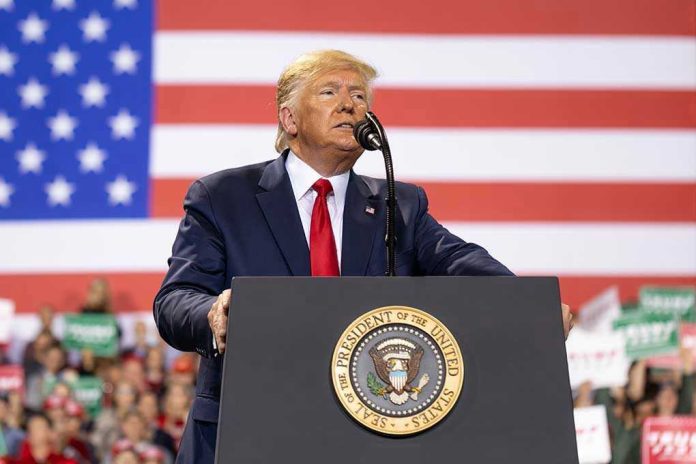
President Donald Trump delivered his most direct challenge yet to America’s military establishment, addressing top generals and admirals at Marine Corps Base Quantico. The rare assembly brought together the nation’s highest-ranking military officers for what Trump framed as a cultural reckoning. His message was unmistakable: perform or pack your bags.
Defense Secretary Pete Hegseth stood alongside Trump, reinforcing the administration’s commitment to what they termed “reawakening the warrior spirit” within America’s armed forces. Hegseth’s declaration that the administration was “ending the war on warriors” suggested sweeping changes ahead for military leadership culture and priorities.
The Unprecedented Nature of Presidential Threats
Trump’s public threat to dismiss military leaders on the spot represents a dramatic departure from traditional civil-military protocol. While presidents hold ultimate authority over military appointments, such blunt warnings delivered directly to assembled commanders create an atmosphere of uncertainty that defense analysts say could undermine military effectiveness and institutional stability.
The Quantico location added symbolic weight to Trump’s message. As the home of Marine Corps officer training and FBI Academy, the base represents the pinnacle of military and law enforcement leadership development. Choosing this venue for such a confrontational message sent clear signals about the administration’s expectations for military culture and accountability.
Historical Context and Dangerous Precedents
Trump’s approach echoes his previous administration’s turbulent relationship with military leadership, which saw multiple defense secretaries and senior officers either fired or resign under pressure. However, the directness of his Quantico threats exceeds previous rhetoric in both tone and public visibility, raising concerns among military historians about civil-military relations.
The “fire them right on the spot” comment reflects Trump’s business background, where immediate dismissals serve as management tools. Yet military leadership operates under different principles, where institutional knowledge, operational continuity, and professional military education create value that cannot be easily replaced through summary dismissals.
The Broader Implications for Military Culture
Hegseth’s announcement about ending the “war on warriors” suggests the administration believes current military culture has become too politicized or weakened by social policies. This framing appeals to conservative critics who argue that diversity initiatives and social programs have compromised military readiness and traditional warrior ethos.
Military analysts express mixed reactions to these developments. While strong civilian oversight remains essential to American democracy, the public nature of Trump’s threats could create a chilling effect where military leaders focus more on political survival than professional military advice. This dynamic risks the very military effectiveness that Trump claims to champion.
Sources:
Trump threatens demotions at military summit