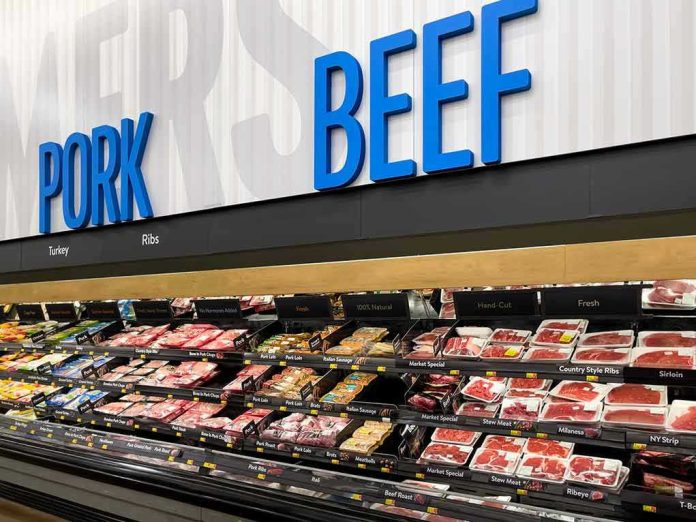
A new proposal by President Trump to ease Argentine beef import restrictions threatens to undermine American ranchers and biosecurity.
Story Highlights
- Trump’s proposal aims to lower consumer beef prices by increasing imports from Argentina.
- GOP lawmakers from cattle-producing states argue this move threatens US ranchers and poses biosecurity risks.
- The proposal has led to rare public disagreement within the Republican Party.
- The US beef industry fears sustained price pressure and increased disease risk.
- USDA is reviewing the proposal amid mounting political pressure.
Trump’s Proposal Sparks GOP Backlash
In October 2025, President Trump proposed easing restrictions on beef imports from Argentina, a move intended to reduce consumer prices and strengthen trade ties. However, this proposal has met with strong opposition from GOP lawmakers representing major cattle-producing states such as Texas, Nebraska, and Montana. They argue that increased imports could significantly undermine US ranchers, depress domestic beef prices, and introduce biosecurity risks, particularly foot-and-mouth disease (FMD).
The US cattle industry has mobilized against the proposal, with groups like the National Cattlemen’s Beef Association (NCBA) launching lobbying efforts and media campaigns to oppose it. The proposal has led to a rare public split within the Republican Party, highlighting the tension between Trump’s populist trade agenda and traditional GOP support for domestic agriculture. This intra-party conflict underscores the complexities of balancing consumer price concerns with the interests of US ranchers.
Biosecurity and Economic Concerns
The US banned fresh beef imports from Argentina in 2001 due to FMD outbreaks, with only partial lifting in 2015 under the Obama administration. The current proposal threatens to reverse strict controls maintained by both the Trump and Biden administrations, potentially exposing US livestock to biosecurity threats. Industry experts and GOP lawmakers warn that opening the market to Argentine beef could devastate US ranchers and rural communities by introducing unfair competition and disease risks.
While consumers may benefit from lower prices in the short term, the long-term implications for the US beef industry and rural economies could be severe. The US beef sector, valued at $66 billion, is sensitive to import competition, and even slight increases in imports could impact domestic market dynamics. Additionally, the risk of biosecurity breaches could potentially cost the US cattle industry billions, further complicating the trade-off between consumer benefits and industry stability.
USDA Review and Political Implications
The USDA is currently reviewing Trump’s proposal, with plans for a risk assessment amid growing political pressure. Congressional hearings are being scheduled to assess the potential impacts of increased Argentine beef imports. This situation highlights broader tensions in US trade policy between populist consumer appeals and traditional agricultural protectionism.
As the debate continues, the stakes are high for both US ranchers and consumers. While Trump’s proposal may offer short-term price relief, the long-term risks to the US beef industry and rural communities remain a significant concern. The outcome of this policy decision could set a precedent for future agricultural trade agreements and biosecurity standards.
Sources:
GOP Lawmakers Warn Trump’s Argentina Beef Proposal Could Rattle US Ranchers
USDA Foreign Agricultural Service, 2023