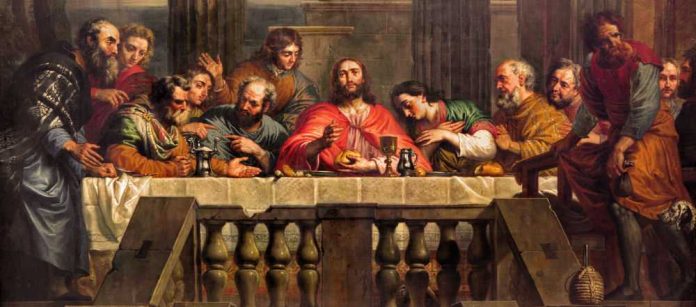
A South Carolina mayor’s attempt to remove a nativity scene from public property backfired spectacularly when the town committee refused to budge, igniting a constitutional showdown that has the entire community choosing sides.
Story Highlights
- Mullins Mayor Miko Pickett ordered the removal of a nativity scene from public property, citing government neutrality concerns
- The Mullins Beautification Committee, led by Kimberly Byrd, defied the mayor’s order and kept the display intact
- Community residents rallied behind the committee with overwhelming support for maintaining the religious display
- The standoff remains unresolved as of December 21, 2025, with neither side backing down
- Byrd received a religious liberty award for her stance, while the controversy draws on 1984 Supreme Court precedent
Mayor’s Order Sparks Community Uprising
Mayor Miko Pickett issued her removal order after the Mullins Beautification Committee spent two weeks decorating the area around the city’s marketplace, where vendors gather twice monthly. Pickett argued the nativity display made the city appear “not neutral” on religious matters, reflecting standard concerns about municipal governments appearing to endorse specific religious viewpoints. Her Facebook statement addressed the controversy but failed to quell the immediate community backlash.
The committee’s response was swift and unwavering. Kimberly Byrd, leading the beautification efforts, refused to comply with the mayor’s directive. Community members demonstrated their convictions with remarkable clarity, as one resident declared: “If they want to take it down, they can take it down. But if they take it down, we’ll take our decorations down. Because that’s just how strongly I’m convicted about this.”
Constitutional Battle Lines Drawn
The Mullins controversy taps into decades-old constitutional tensions surrounding religious displays on public property. The dispute operates within the framework established by a 1984 Supreme Court ruling that created guidelines for evaluating such displays. This legal precedent has shaped how municipalities nationwide approach holiday religious expressions on government property, creating a complex balance between establishment clause concerns and free exercise protections.
Both sides claim constitutional high ground. The mayor’s position emphasizes government neutrality toward religion, a principle designed to prevent the appearance of state endorsement of particular faiths. The committee’s stance champions religious expression and community traditions, arguing that removing the display violates their religious liberty rights. This represents genuine constitutional tension rather than a clear-cut legal matter, with legitimate arguments supporting both perspectives.
Community Solidarity Strengthens Resistance
The committee’s defiance gained momentum through overwhelming community support. Residents expressed outrage at the removal order, creating a grassroots movement that provided both moral backing and practical assistance for maintaining the display. This community solidarity transformed what could have been an isolated committee action into a town-wide stand for religious expression rights.
Kimberly Byrd’s leadership earned recognition beyond Mullins, receiving a religious liberty award that validates her position within broader religious freedom advocacy circles. This external recognition reinforces the committee’s conviction that their cause transcends local politics, connecting to fundamental American principles of religious expression. The award also signals that religious liberty organizations view this case as significant for establishing precedent.