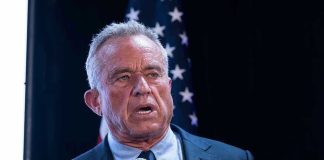
Former New Jersey Superior Court Judge Andrew Napolitano declares the federal indictment against Venezuelan dictator Nicolás Maduro a “legal mess” that will largely collapse in court, exposing potential government overreach in prosecuting foreign leaders for crimes committed abroad.
Story Highlights
- Judge Napolitano predicts significant portions of Maduro’s indictment will be dismissed due to jurisdictional and constitutional flaws
- Firearms charges face dismissal as they involve extraterritorial acts using largely invalidated 1934 statutes
- Constitutional venue issues arise from prosecuting foreign crimes in Manhattan rather than where defendant first entered U.S.
- Case mirrors 1989 Noriega precedent but faces stronger sovereign immunity and procedural challenges
Legal Expert Identifies Fatal Flaws in Government Case
Judge Andrew Napolitano delivered a scathing critique of the federal prosecution against Nicolás Maduro during a January 5th Newsmax interview. The former judge identified multiple constitutional and jurisdictional problems that could derail significant portions of the case. Napolitano specifically targeted firearms charges as “inconceivable” since they involve gun possession in Caracas, which remains legal under Venezuelan law but prosecuted under partially invalidated U.S. statutes from 1934.
Constitutional Venue Problems Threaten Prosecution Strategy
The decision to prosecute Maduro in the Southern District of New York creates constitutional complications that favor the defense. Napolitano argues the Constitution requires trials to occur where defendants first entered U.S. territory, not in prosecutors’ preferred venue. Additionally, Manhattan juries traditionally lean pro-defense compared to other districts, while Judge Alvin Hellerstein historically shows skepticism toward government cases, creating an unfavorable environment for prosecutors seeking convictions.
Sovereign Immunity and War Powers Questions Loom
The circumstances surrounding Maduro’s capture raise significant legal questions about executive power and international law. While the Ker-Frisbie doctrine typically allows trials despite questionable arrests, Maduro’s status as a sitting head of state invites sovereign immunity defenses. The Trump administration’s unilateral action without congressional war authorization has drawn criticism even from some conservatives, who question whether such precedents could invite future government overreach in foreign interventions.
Noriega Precedent Offers Mixed Lessons for Current Case
Prosecutors likely view the successful 1989 prosecution of Panamanian leader Manuel Noriega as their roadmap for conviction. However, Napolitano notes crucial differences that favor Maduro’s defense team. The current case involves more complex jurisdictional issues, stronger constitutional venue arguments, and a judicial environment less favorable to government prosecutors. These factors suggest the Maduro prosecution faces significantly higher legal hurdles than the Noriega case decades earlier.
The case represents a critical test of constitutional limits on federal prosecutorial power and executive authority in foreign operations. For conservatives concerned about government overreach, Napolitano’s analysis highlights how even cases against despotic foreign leaders can raise important questions about respecting constitutional procedures and limiting federal power to appropriate jurisdictions and circumstances.
Sources:
Judge Napolitano: Maduro Indictment Analysis
Maduro Venezuela Indictment Drug Trafficking Analysis
As Threats Against Venezuela Increase Opposition Making Noise in US