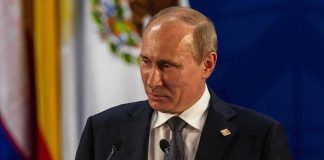
Trump says Cuba’s communist government could “fall pretty soon,” and the real story is how U.S. leverage—rather than endless wars—may finally force Havana to choose between collapse and a deal.
Quick Take
- President Trump tied Cuba’s instability to the collapse of its Venezuelan oil lifeline after Nicolás Maduro’s capture, arguing Havana is running out of options.
- The White House declared a national emergency over threats posed by Cuba’s government and moved to punish countries that provide oil to the island.
- Secretary of State Marco Rubio is leading U.S. talks with Cuban representatives, signaling pressure paired with a possible negotiated exit.
- Cuba’s government has not publicly responded, and key details about the talks and timelines remain unconfirmed in public reporting.
Trump’s Prediction Centers on a Cut-Off Oil Lifeline
President Donald Trump said in a POLITICO interview published March 5, 2026, that Cuba’s government is on the verge of falling, pointing to U.S. actions that disrupted Venezuela’s ability to supply the island with oil. Trump’s public comments framed Cuba’s economic vulnerability as a consequence of regional pressure rather than a need for U.S. military intervention. He also indicated Havana “needs help” and that U.S. officials are talking with Cuban counterparts.
Public reporting describes Cuba’s dependence on subsidized Venezuelan shipments for years, with estimates reaching as high as 100,000 barrels per day during the peak of the arrangement. That energy cushion helped Havana cope with long-term U.S. sanctions and internal economic dysfunction. With Venezuela no longer positioned to backstop Cuba the way it once did, the island faces sharper shortages and fewer financial levers to stabilize daily life—conditions that can test any regime’s ability to maintain control.
A National Emergency Order Raises the Stakes for Havana and Its Backers
On Jan. 30, 2026, the Trump White House issued an executive order declaring a national emergency related to threats posed by Cuba’s government. The order authorized measures that include tariffs targeting countries that provide oil to Cuba, escalating the cost of keeping Havana afloat. Unlike past approaches that prioritized diplomatic normalization, this strategy publicly treats the Cuban regime as an active threat and uses economic pressure to constrict the resources that keep the system running.
That framework matters because it shifts pressure outward, not just inward. By threatening penalties tied to oil shipments, Washington aims to deter third parties from serving as Cuba’s workaround. It also pairs with the administration’s argument that Cuba’s leadership is aligned with hostile actors and networks—a claim referenced in the executive action’s rationale. The practical effect is a tighter squeeze on energy access, shipping arrangements, and financing, all of which affect public stability on the island.
Rubio-Led Talks Suggest “Deal or Decline,” Not an Invasion сценарio
Trump has said Secretary of State Marco Rubio is leading high-level discussions with Cuban representatives, and he has floated the idea of a “friendly takeover” in earlier remarks. The public facts available so far do not describe any signed framework, deadlines, or concessions. What is clear is that the administration is signaling an off-ramp: pressure continues, but talks exist. For Americans wary of open-ended interventions, that distinction is politically significant.
What We Know—And What We Don’t—About Regime Stability
Cuba has faced protests, economic deterioration, and migration surges in recent years, and public reporting connects the current squeeze to the loss of Venezuelan support and widening internal strain. However, the research available here includes no independent expert estimates that a collapse is imminent, and there is no public response from Cuba’s leadership confirming talks or acknowledging Trump’s timeline. The story, for now, is driven mainly by U.S. statements and policy actions.
Trump says Cuba’s government will ‘fall pretty soon’ – President Donald Trump said Friday that “Cuba is gonna fall pretty soon” in a renewed threat to the communist-ruled island already facing a US energy blockade. Via: https://t.co/yiCqYrAjzV #Cuba #DonaldTrump #Opinion #USNews…
— Planet Today (@PlanetTodayNews) March 6, 2026
The political stakes extend beyond Cuba. Trump has linked regional pressure campaigns—particularly involving Venezuela and Iran—to weakening the network of regimes and actors that oppose U.S. interests. If Havana does enter serious negotiations, the next questions will be whether any agreement protects basic freedoms for the Cuban people, reduces security threats, and avoids creating another pipeline for illegal migration. Those points will determine whether “fall pretty soon” becomes a headline—or a lasting turning point.
Sources:
Trump Predicts Cuban Regime Will Fall Amid Ongoing U.S. Pressure, Cites Talks With Havana
Addressing Threats to the United States by the Government of Cuba