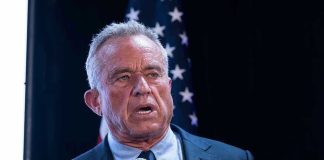
One dinner invitation may reveal whether Trump’s war with the press is cooling—or simply moving to a brighter stage.
Story Snapshot
- Donald Trump is expected to attend the White House Correspondents’ Association dinner on Saturday, April 25, 2026, his first time as president at the event.
- The dinner tradition sells itself as a pressure-release valve between politicians and the press, but Trump built a brand by rejecting that social contract.
- More than 200 journalists have urged the WHCA to directly address attacks on press freedom, raising the stakes beyond jokes and photo ops.
- Trump’s long absence from the dinner makes even a routine appearance politically meaningful, because it signals strategy, not sentiment.
A president who skipped the roast is suddenly showing up
Washington’s most awkward banquet runs on a simple premise: put the president, the press, and a comedian in one room and pretend everyone can laugh. Trump refused that premise for years, skipping the dinner throughout his first term and again in 2025. Now, reporting says he’s expected to attend the April 25, 2026 event, his first appearance as president. That shift matters because Trump never treats a stage as neutral.
The WHCA dinner is old by American standards, dating to 1921, and it has always mixed ego, access, and ritual. Supporters call it a civic tradition; critics call it self-congratulation. Either way, presidents usually show up because absence becomes its own headline. Trump’s history flips that logic. He proved you can boycott, call the media “fake news,” and still dominate the news cycle—so attendance now invites one question: what does he gain?
2011 still haunts the ballroom, and not by accident
Trump attended as a private citizen in 2011 and 2015, but 2011 is the memory everyone drags back into the light. Barack Obama’s dinner routine mocked Trump’s “birther” claims, and the room laughed. Trump’s critics argue that moment helped harden his public persona into a political one. The truth is simpler and more useful: Trump remembers public slights, and he studies rooms like markets.
The new dynamic is that Trump arrives not as a celebrity guest but as the sitting president. That changes how every joke lands, how every camera angle reads, and how every handshake gets interpreted. The WHCA isn’t just hosting a dinner; it’s hosting a man who has labeled parts of the press “enemies of the people.” The event’s purpose—softening friction—collides with a presidency that often treats friction as fuel.
The press wants confrontation; the association wants control
More than 200 journalists have signed a letter urging the WHCA to show backbone against attacks on press freedom. That pressure creates a quiet civil war inside the evening: some attendees want a sharper moral stance, while others want the old détente, the kind that keeps doors open and sources talking. Trump benefits when his opponents look divided, and nothing divides media people faster than deciding whether the dinner is activism or access.
The conservative common-sense lens here cuts against performative outrage on both sides. Journalists have real constitutional protections to defend, but they also have an industry incentive to elevate conflict because conflict sells. Trump, for his part, has every right to criticize coverage, but strong leadership usually separates legitimate criticism from blanket contempt. If the dinner becomes a mutual cosplay of grievance—media as martyrs, politicians as victims—Americans outside the room learn nothing.
Why attendance could be strategy, not reconciliation
Trump doesn’t need the dinner to reach voters; he can reach them instantly. He might need it to project confidence—walking into a hostile room and owning it. He might also want to deny opponents an easy talking point: “he can’t take scrutiny.” If he attends and keeps it controlled, he looks disciplined. If he attends and it erupts, he can claim vindication about media bias. Either outcome can be packaged as a win.
The WHCA also faces a reputational bet. If Trump attends and the night looks too cozy, critics will accuse the press of normalizing attacks on them. If the night turns into open heckling, the WHCA will be blamed for losing the room and cheapening its own tradition. The association’s incentive is order, but order requires cooperation from a guest who has historically thrived on disruption.
What to watch when the jokes stop working
Forget the comedian for a moment; the real tells come in the small mechanics of the evening. Does Trump linger, mingle, and work the room, or does he treat it as a quick hit and exit? Do the journalists’ concerns about First Amendment pressure get addressed with specificity, or dissolved into applause lines? Adults can tolerate sharp humor. They can’t tolerate fake stakes, especially when institutions claim to be serious.
Trump expected to appear at White House press gala for first time as president pic.twitter.com/2rY6uj2B4I
— GiggleVibesDaily (@GiggleVibes247) April 25, 2026
Trump’s expected appearance doesn’t prove peace with the press, and it doesn’t prove surrender by the press. It proves the tension has matured into something both sides want to stage in public, where clips travel faster than context. The dinner’s irony is that it advertises intimacy while the country watches distrust. If Trump walks in tonight, the story won’t be whether he smiles. The story will be what both sides demand the smile means.