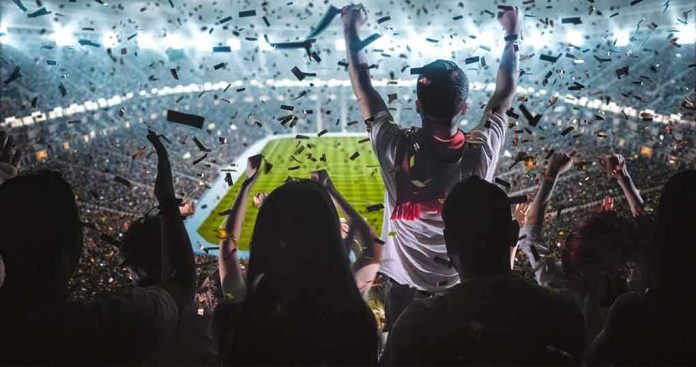
Seattle’s loudly “woke” soccer crowd once flirted with boycotting Team USA over Trump, but when the World Cup came to town, the stands turned into a sea of flags, chants, and unapologetic American pride.
Story Snapshot
- Local media once highlighted Seattle fans with “mixed feelings” about backing the U.S. because of Trump.
- National activists, including a former FIFA president, pushed wider World Cup boycotts over U.S. policies.
- When matches kicked off, Seattle delivered huge crowds, loud anthems, and booming local business.
- The gap between leftist boycott talk and real-world turnout shows how patriotic fans still carry the day.
How Seattle’s “Mixed Feelings” Became a Media Narrative
Several years before the 2026 World Cup, local coverage in Seattle pushed a story about fans who were uneasy about cheering for the United States while Donald Trump was president. One Seattle Times social post said some soccer fans had “mixed feelings about patriotically backing the U.S.,” tying that doubt directly to Trump’s comments and the city’s World Cup bid.[4] National outlets also elevated boycott talk from critics upset over U.S. immigration policies and travel rules, framing the tournament as a protest stage rather than a unifying event.[1]
Wider commentary on sports boycotts added fuel. A former president of the global soccer body, Federation Internationale de Football Association, publicly backed calls for fans to skip matches in the United States over concerns about immigration enforcement and how protesters were treated.[19] Analysts of sports boycotts noted that such campaigns often make headlines but rarely stop major events. They usually stay symbolic and do not change who hosts or who plays, even when they draw big media attention.[18] That pattern fits what unfolded around Seattle’s World Cup hosting.
Boycott Buzz Meets Packed Stadiums and a Patriotic Crowd
When the World Cup finally arrived, the numbers told a very different story than the early boycott drama. The first World Cup match in Seattle drew more than 66,000 fans, according to local reporting, filling most of the stadium and creating a playoff-style atmosphere downtown.[14] Across the full tournament, the global soccer body said it set a new daily attendance record with more than 281,000 fans on a single day and an average of about 65,000 per match, showing strong demand even with scattered empty-seat photos online.[11]
Seattle businesses in key neighborhoods like Pioneer Square reported bracing for a “monster” World Cup Friday, expecting huge waves of fans and boosted sales on match days.[15] That kind of preparation only happens when bars, shops, and police all see clear signs that crowds are coming, not staying home. Transit agencies also signaled heavy ridership, which lines up with the city’s long record of strong soccer support through its professional team, which has often ranked near the top of league attendance.[13] For everyday patriots, the message was simple: boycott talk was loud on screens, but quiet at the turnstiles.
Why Sports Boycotts Look Big Online but Small in Real Life
Experts who study sports boycotts say this is common. Research on past protests around events like the Olympics and earlier World Cups finds that political boycotts often win headlines but rarely force real change on their own.[19] They can signal anger at a country’s leaders, yet they seldom move governments unless tied to larger pressure. In practice, most fans still show up because tickets are expensive, games are rare, and families plan for years to attend.[18]
Seattle fits that pattern. There is evidence of unease and online debates about what it meant to cheer for the United States in a tense political era, especially in a city where progressive leaders regularly clash with Washington, D.C.[4] But there is no public record of a named Seattle leftist group that organized and enforced a real boycott with measurable impact on attendance.[1] Instead, what showed up on game day was a familiar story: many ordinary Americans wore the flag, sang the anthem, and enjoyed the match, no matter what activists or academics said they should do.
Sources:
[1] Web – Seattle Leftists Vowed to Sit Out US Soccer Over Trump … Stadium Went …
[4] Web – FIFA World Cup 2026: The Geopolitical Tensions at Play Off the Pitch
[11] YouTube – Blatter backs FIFA World Cup boycott over Trump policies
[13] Web – Which World Cup matches had empty seats? Breaking down …
[14] Web – Matchday statistics after 16 games at the 2026 FIFA World Cup
[15] Web – Seattle | Host City Guide | FIFA World Cup 2026™
[18] Web – FIFA World Cup 2026 | SoundersFC.com
[19] Web – 2026 FIFA World Cup Match Attendance – Sports Business Journal