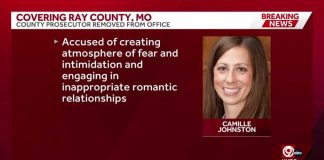
Nine fentanyl-related student overdoses tied to one Virginia high school forced a state order on parent alerts—but the local board still rejected teacher drug testing.
Story Snapshot
- Nine overdoses tied to Park View High since September, with eight in three weeks.
- Some students needed Narcan and CPR, underscoring life-or-death risk.
- Parents were not told until October 31, prompting a 24-hour notice order.
- No evidence links teachers to the drugs; courts have curbed random staff testing.
Documented Overdoses And Delayed Parent Alerts
Loudoun County Sheriff’s Office confirmed nine fentanyl-related student overdoses tied to Park View High School since September. Eight happened within three weeks, showing a sharp cluster that alarmed families and officials. Deputies said three students needed the overdose-reversal drug Narcan, and three required cardiopulmonary resuscitation, which signals severe medical emergencies. School leaders did not notify the broader school community until October 31, which fueled anger and trust issues among parents who expected immediate notice.
Virginia Governor Glenn Youngkin responded with an executive order that directs the state Department of Education to require school systems to alert parents within 24 hours after an overdose on school property or at a school event. The move placed a clear, statewide floor for transparency after the Loudoun timeline drew criticism. Media coverage focused on the communication lapse and the new deadline, not on broader measures like staff drug testing or building searches for pills and powder.
Board Rejects Teacher Drug Testing Amid Legal Limits
Local debate quickly turned to whether testing teachers could boost safety. The school board declined that step. Available records show no primary evidence that any teacher supplied or used fentanyl related to these incidents. Five overdoses occurred off campus but involved Park View students, pointing to access beyond school grounds. Federal cases have also chilled random, suspicionless teacher testing where no specific staff drug problem is shown, adding legal risk to blanket policies.
Virginia law allows school boards to require or encourage employee drug testing only under Board of Education guidelines and at a board’s discretion, not as an automatic mandate. District policies commonly use “reasonable suspicion” testing and restrict random screening to safety-sensitive jobs, rather than all teachers. These structures aim to balance safety steps with constitutional privacy rights. Civil-liberties advocates in Virginia have repeatedly opposed broad employee testing without clear, documented need.
What We Know, What We Don’t, And Why It Matters
Officials have confirmed the number and timing of overdoses, the medical responses, and the delay in notification. Those facts point to real danger and a system that failed to inform parents fast enough. What we do not have are forensic findings that trace drug sources or show staff involvement. Without that evidence, a district-wide teacher testing plan may be hard to justify in court and may drain resources from steps with clearer impact, like student outreach and campus security.
Virginia school board votes 4-3 AGAINST drug testing teachers—two years after a second-grade teacher overdosed on fentanyl in her classroom. Superintendent warned it would hurt teacher retention. Kids… #Education #Virginia #ParentalRights #SchoolSafetyhttps://t.co/0wuk5qt2kS
— @GlobalRightWatch (@AutonomusRepost) July 16, 2026
Families on both the right and the left share a basic demand: keep kids safe and tell the truth fast. The governor’s 24-hour rule sets a start. Next, the district can release meeting minutes, incident logs, and program audits to show what worked and what failed. Law enforcement can share de-identified trend data on where the drugs came from. Clear records would help target solutions and rebuild trust without sweeping measures that courts often strike down.
Sources:
redstate.com, wjla.com, nbcwashington.com, youtube.com, washingtonpost.com, wtop.com, schoolboard.vbschools.com, go.boarddocs.com