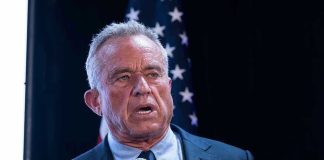
A sitting Mexican governor wanted on United States drug charges just walked back into office, daring a cross-border standoff to continue.
Story Snapshot
- United States prosecutors charged Sinaloa Governor Rubén Rocha Moya with drug and weapons crimes in April.
- Rocha stepped aside for months, then returned to office Friday while denying all allegations.
- Mexico has not extradited Rocha, sharpening tension with Washington over cartel cases.
- The case is unusual: a sitting governor named in a United States indictment tied to the Sinaloa Cartel.
What Happened: Rocha Returns Despite United States Indictment
Reuters reported that Sinaloa Governor Rubén Rocha Moya returned to his post after more than three months on leave, taken soon after the United States unsealed charges tying him to the Sinaloa Cartel in late April. The United States Department of Justice charged Rocha with narcotics importation conspiracy and machine gun offenses in a New York case that also named nine other current and former Mexican officials. Rocha denies the charges and says he will continue governing while fighting them.
The Associated Press said the indictment accuses the officials of aiding large flows of illegal drugs into the United States, placing Rocha at the top of the list of public figures named by prosecutors. Spanish daily El País and other outlets called the charges a political earthquake in Mexico, given Rocha’s current office and the alleged links to a cartel long seen as a global player. Rocha’s return comes without a resolution of the case, and without an arrest in Mexico.
Why It Matters: A Rare Case Tests United States–Mexico Cooperation
Indicting a sitting Mexican governor is rare, which lifts the stakes for both governments. United States prosecutors say corrupt officials shielded traffickers and traded favors for bribes, widening the case beyond smugglers to the power networks that protect them. Mexico’s leaders have urged “overwhelming evidence” before any extradition, signaling a higher bar when the suspect is an elected official with strong political ties at home. That gap fuels mistrust and slows joint action on cross-border crime.
For Americans, the case lands amid anger over fentanyl deaths, border chaos, and doubts that officials on either side can or will act. For Mexicans, it revives long fights over sovereignty and whether Washington overreaches in cartel wars. These pressures feed the belief, held by many across the political spectrum, that elites protect their own while communities bear the cost in violence, addiction, and lost trust. Rocha’s return, with charges pending, underscores that perceived double standard.
Rocha’s Response and Mexico’s Position
Rocha has rejected the allegations as false and politically driven, saying he will prove his innocence and defend Mexico’s institutions. Reuters reported his broad denial of cartel ties and his claim that the case is an attack on Mexico’s political project. Mexico’s government has not detained Rocha and has emphasized the need for clear, compelling proof before honoring any United States extradition request involving top elected leaders. That stance keeps Rocha in office and deepens a diplomatic clash.
The governor of Mexico’s violence-plagued Sinaloa state, Ruben Rocha, who is wanted by the US on drug trafficking charges, said Friday he had returned to office after a nearly four-month absence.https://t.co/Njrq0JWoUz
— Katie Liane (@TheKaterPotater) August 21, 2026
Local and regional outlets in Mexico reported Rocha’s formal notice of return to work and framed it as a bid to show strength while national prosecutors review evidence from the United States. Analysts warn the dispute could spill into trade and security talks if trust frays. When elected leaders face cartel accusations and remain in power, citizens see a system that bends for insiders and rarely delivers swift, fair results. That is the core legitimacy test both governments now face.
What Comes Next: Legal Steps and Policy Risks
United States prosecutors can continue building the case and press for cooperation with Mexican authorities. Mexico can keep reviewing the evidence and decide whether to open domestic proceedings or contest extradition. If talks stall, pressure may rise in Washington for tougher measures at the border and new sanctions tools. Each delay widens the gap between promises to fight cartels and the reality on the ground, where fentanyl deaths and cartel revenues keep climbing.
For readers, the signal is clear. The fight against cartels is not only about raids and seizures. It is about whether public offices on both sides are clean, and whether courts act the same for the powerful as for everyone else. Rocha’s return without legal closure is a stress test. If leaders cannot resolve it with facts, transparency, and the rule of law, both nations risk deeper cynicism and weaker security.
Sources:
insiderpaper.com, aljazeera.com, usnews.com, dw.com, lanacion.com.ar, wsj.com, theguardian.com