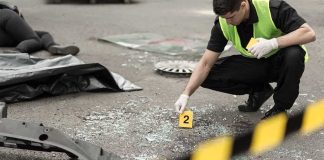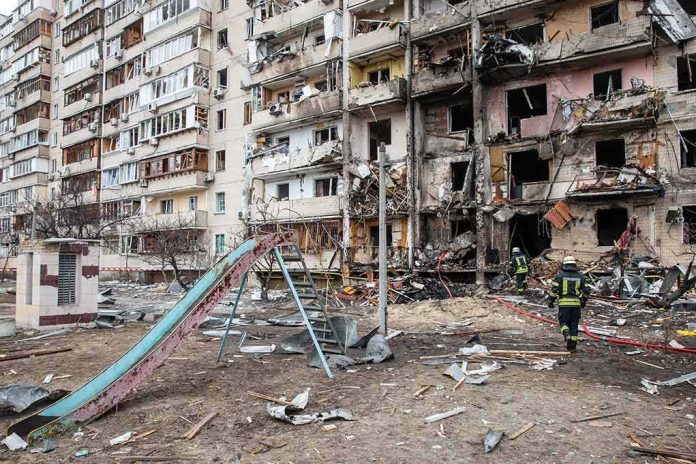
Four American tourists were among six people killed when a suspected gas blast leveled a building in Athens’ historic Plaka district, steps from the Acropolis.
Story Highlights
- Officials recovered six bodies after a powerful explosion and collapse in central Athens.
- Four Americans were confirmed dead; the U.S. State Department cited a gas explosion.
- Athens’ mayor linked the blast to gas infrastructure; a full probe is underway.
- Rescuers used dogs, cameras, and sensors as nearby buildings were damaged and evacuated.
What Authorities Confirmed So Far
Greek fire officials said six people died after an explosion caused a two-story residential building to collapse in Plaka, a busy tourist area in central Athens. The mayor linked the blast to gas infrastructure. Emergency crews recovered the bodies using rescue dogs, cameras, and sensors. The shock damaged nearby shops, homes, and cars. The recovery updates came over Friday and Saturday as responders worked through debris in the narrow streets of the historic district.
The United States confirmed that four of the victims were American tourists. A spokesperson for the U.S. State Department said the deaths were the result of a gas explosion. The department said it is supporting the families and working with Greek officials. The American ambassador to Greece expressed sympathy and praised the rescue teams. Officials have not yet released the names of the victims, pending notification of relatives.
How Investigators Are Approaching Cause
Athens’ mayor said the blast was likely tied to gas infrastructure, which matches early reporting from several outlets. Reporters on the scene described a powerful shock that flattened the building and sent debris across the area. The Associated Press noted that the cause was not immediately clear during the first day, which is common in urban disasters as engineers and fire investigators test lines, check appliances, and assess structure and blast patterns before issuing final findings.
Historic neighborhoods like Plaka face added risks when it comes to utility safety. Older construction, tight alleyways, and mixed uses can create complex utility runs and make access harder. Short-term rentals and renovation work can also add ignition risks if gas lines, valves, or vents are not up to code. Investigators typically examine utility records, witness reports of gas smells, and meter data to trace leak paths and ignition points in the hours before a blast.
Why This Hits Home For Travelers And Cities
Tourist districts depend on safe, reliable infrastructure. Visitors assume basic protections will work, from smoke alarms to gas valves. When they fail, families suffer, and trust falls. This event shows how a single fault can shatter lives and harm a city’s image. It also raises a shared concern across politics: if basic safety checks and maintenance slip anywhere, the public pays the price, not the officials or contractors who cut corners or move slowly.
Four American tourists among 6 killed yesterday after a suspected gas explosion leveled a building in Athens’ Plaka district, at the foot of the Acropolis.
Two couples were staying in a short term rental and due to fly home Friday.
Prayers for the families.
Such a tragedy and… pic.twitter.com/Gxe0Ww3e62— Gina Beana Fofina (@Ginasassyass) September 27, 2026
City leaders everywhere can act on simple steps. Inspect older buildings that host visitors. Verify gas shutoff access and ventilation. Require proof of recent line checks before rental permits renew. Share clear guidance with tourists on what to do if they smell gas: leave at once, avoid switches or phones inside, and call emergency services from outside. These moves do not erase grief in Athens, but they can reduce the chance of the next tragedy.
Sources:
thegatewaypundit.com, reuters.com, www-cdn.abcnews.com, cbsnews.com