A U.S. Air Force service member died after falling during a pregame rappelling demonstration at San Antonio’s Alamodome, underscoring the risks of military displays before large crowds.
Story Snapshot
- The Air Force confirmed the airman died after a fall during a stadium rappel in San Antonio.
- The service member was assigned to the 6th Combat Training Squadron, Detachment 2.
- The Air Force says the incident is under investigation; details remain limited.
- Military “mishap” investigations protect certain safety findings from public release.
What Happened Before the UTSA–Navy Game
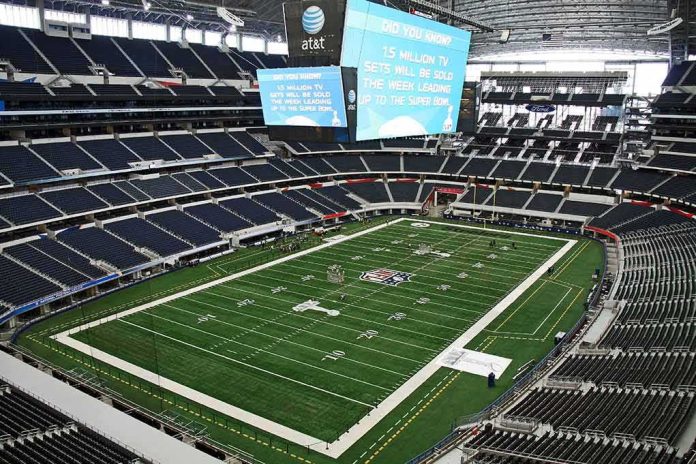
Nellis Air Force Base Public Affairs said a service member fell while attempting to rappel from the Alamodome rafters before the University of Texas at San Antonio football game against Navy on Saturday. Medical teams transported him to a local hospital, where he died from his injuries, according to the Air Force statement reported by multiple outlets. University and event officials paused the pregame activity as emergency crews worked. The Air Force said the incident remains under investigation, and no name has been released yet.
Media reports identified the unit as the 6th Combat Training Squadron, Detachment 2, which supports specialized training and demonstrations. Coverage described four service members taking part in the planned display inside the dome. The fatal fall occurred in view of fans, players, and staff who were preparing for kickoff. Officials offered condolences to the airman’s family and teammates and said counseling resources would be available for those affected by the traumatic event.
What the Air Force Safety Process Means Now
Air Force policy treats any unintended event causing death, injury, or damage as a “mishap,” which triggers a formal safety investigation. Those safety reports are protected by safety privilege and are not released outside the Department of Defense safety community. The aim is to encourage full disclosure to prevent future losses. That structure often limits early public detail about causes while internal teams gather facts, analyze equipment, and review procedures.
After a fatal event, commanders typically appoint an Interim Safety Board to secure evidence, interview witnesses, and document the scene. A dedicated safety board then conducts a deeper review focused on prevention and recommendations. Public affairs offices may share basic updates as approved by commanders, but analytical findings, contributing factors, and many records remain restricted by policy. This framework helps the military fix hazards quickly, though it can frustrate families and communities seeking fast answers.
Why Stadium Demonstrations Carry Real Risk
Rappelling from arena rafters blends real military skills with a public show. These events can inspire fans and honor service, yet they add variables not found on a training range. Indoor heights, lighting, rigging points, and time pressure all can raise risk. Military teams normally use strict checklists and rehearsals. Even so, a single gear error, missed step, or unexpected snag can have severe outcomes when working high above a hard surface in front of thousands.
"US Air Force Service Member Dies After Falling 150 Feet During Pregame Rappelling Demonstration at San Antonio's Alamodome"
➡️ A US Air Force service member assigned to the 6th Combat Training Squadron, Detachment 2, based out of Joint Base San Antonio-Camp Bullis, died…
— BreakinNewz (@BreakinNewz01) October 18, 2026
Communities on the left and right often complain that government talks about safety while failing to deliver it where it counts. This tragedy will renew questions both sides share: Who approved the plan, what safeguards were in place, and how will the Air Force change procedures before the next show? The safety process is designed to answer those questions inside the system. The public may see only limited summaries while the service implements fixes to protect future participants and bystanders.
What to Watch Next
In the coming days, the Air Force may release the airman’s identity after notifying next of kin. Event partners could review their own protocols for demonstrations at large venues. If the Air Force releases any preliminary facts, expect them to outline the timeline, the team’s role, and immediate corrective steps. A full safety report will likely stay confidential, but lessons learned can still lead to visible changes in training, planning, and gear for future public events.
Sources:
thegatewaypundit.com, usnews.com, safety.af.mil