An Army veteran in suicidal crisis was shot and killed by deputies after more than 90 minutes of negotiations, putting police crisis training under a harsh spotlight.
Story Snapshot
- Sheriff says multiple investigations are underway; deputies are on leave.
- Deputies negotiated for over 90 minutes before the shooting, officials say.
- Sheriff says the veteran pointed a gun and took an “aggressive” stance.
- Training programs exist, but their use in this case is not yet documented.
Officials Describe A Long Standoff Before Shots Were Fired
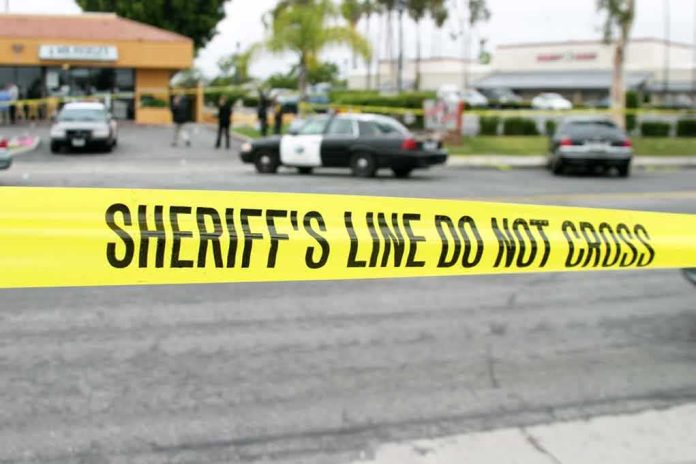
Palm Beach County Sheriff’s Office leaders said deputies responded to Sandalfoot Square near Boca Raton on October 28 after reports of an armed, suicidal man. Officials identified him as Army veteran Stephen Senfeld. Deputies set a perimeter and began talking with him around 9:55 p.m. The sheriff said the effort stretched past 11:20 p.m., with trained personnel trying to calm the scene. The sheriff said the man then took an aggressive stance while holding a gun, and deputies fired.
Sheriff Ric Bradshaw said the gun was raised in the direction of deputies and that they believed they were in jeopardy when they used deadly force. He said investigators are still reviewing evidence to understand all movements and shots. He also said the man did not fire at deputies, even as officials assessed rounds that appeared to strike a sheriff’s vehicle. That specific detail will rely on forensic work and final reports from investigators.
Multiple Reviews Aim To Establish What Happened And Why
The sheriff said four entities are reviewing the shooting. The Florida Department of Law Enforcement is leading a criminal review, along with the Palm Beach County State Attorney’s Office, the sheriff’s Violent Crimes Division, and an internal review. The deputies involved were placed on administrative leave, which the agency described as standard protocol after shootings. These processes will examine actions, policies, and whether the force met state law.
Officials have not released body-camera video, radio traffic, or transcripts of the negotiations, and they have not named the deputies. That means the public record does not yet show which specific tools or tactics were used during those 90 minutes. The agencies have not completed their reports or issued a legal finding. When those records are released, they could clarify the timeline, ballistics, and whether the response matched agency policy and state standards.
Crisis Training Claims Meet A Tough Real-World Test
The Palm Beach County Sheriff’s Office points to a behavioral-health division that pairs detectives with clinicians. A sheriff’s official said the office trains deputies, dispatchers, jail staff, and corrections staff on de-escalation and on signs of mental illness. Florida’s basic recruit curriculum also includes classroom hours on mental health, crisis response, and veteran needs. A separate Crisis Intervention Team course runs for about a week. These facts show a framework for crisis calls in the county and state.
However, the record does not state whether the named deputies had completed Crisis Intervention Team training or veteran-specific modules. It also does not tie a particular piece of training to a specific choice made at the scene. Research on Crisis Intervention Team programs shows mixed results. Some studies link training to lower force, while other reviews find little or no overall change in force use. Outcomes can depend on local systems and options beyond the police.
Why This Case Resonates Beyond Florida
Across the country, police are often first on scene when someone is armed and in crisis. Officers must protect the public, protect themselves, and try to protect the person in crisis. That balance gets harder when a gun is present. This case highlights that tension. Officials say negotiators worked for a long time, yet the man still died. That gap between training and outcome drives fresh questions about what tools, time, and teams are needed in deadly risk calls.
People on both the right and left see a system that struggles with complex emergencies. Conservatives want order, clear lines, and fewer tragedies for citizens and officers. Liberals want stronger safety nets and more non-police options in mental health crises. Both sides want government to do what it promises and to show the work. The pending reports will matter. They can confirm the facts, explain the decisions, and guide better responses when the next call comes in.
Sources:
military.com, palmbeachpost.com, wptv.com, cbs12.com, tapinto.net, wpbf.com, sun-sentinel.com, delraybeachnews.org