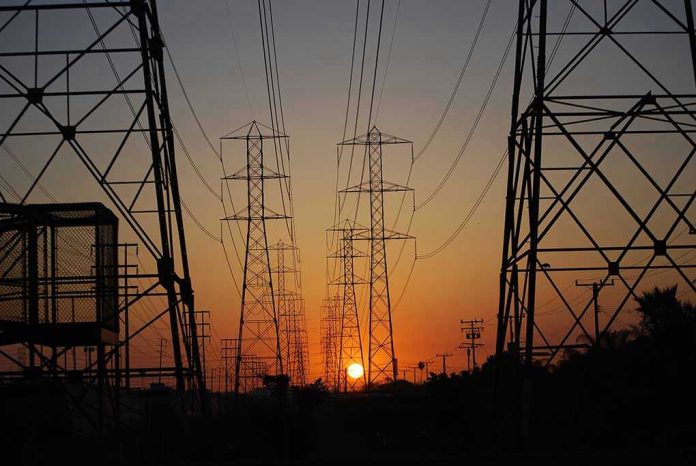
AI data centers are driving up summer electricity bills for millions of Americans, and the real kicker is that the same tech giants pushing this costly expansion are now asking everyday citizens to foot the bill while politicians turn a blind eye.
At a Glance
- AI data centers are causing a spike in electricity demand, straining power grids and hiking up monthly bills.
- Consumers in regions managed by PJM and other major utilities report significant increases in summer electricity costs.
- Experts warn that unchecked data center growth could worsen grid stress, increase emissions, and push new regulations.
- The push for “green” AI is mostly lip service as costs and outages hit American families hardest.
AI Data Centers: The Culprit Behind Soaring Summer Bills
This summer, Americans are opening their power bills and getting a nasty shock, and it’s not just the heat to blame. The real reason behind these eye-watering bills? The explosion of AI data centers—those massive, energy-hungry fortresses run by tech giants like Amazon, Google, and Microsoft. These companies have been gobbling up power at a record pace, all to fuel artificial intelligence systems that they swear are going to make life better for us. Instead, they’re making life a whole lot more expensive for anyone who just wants to keep the lights on and the air conditioning running.
Why AI is causing summer electricity bills to soar https://t.co/KQ4MrjG7k1
— Fox News (@FoxNews) July 26, 2025
According to Deloitte’s AI Infrastructure Survey, 2025 has become the year that data centers officially pushed regional power grids to their breaking point. PJM Interconnection, which handles the grid for over 65 million people from the Midwest to the East Coast, has warned that the relentless demand from AI is forcing utilities to raise rates across the board. Never mind the promises that “green tech” would make energy cheaper and more sustainable; the reality is that tech corporations are passing the buck straight to consumers, with the blessing of government agencies that seem more interested in climate virtue signaling than in standing up for American families.
Grid Reliability and “Green” Promises: Who’s Paying the Price?
The strain on the grid isn’t some wonky technical problem—it’s a direct hit on every household budget. AI data centers run 24/7, sucking up megawatts of electricity at a rate that dwarfs even the largest factories or hospitals. Utilities, faced with this runaway demand, are left with two options: either pour billions of taxpayer dollars into beefing up infrastructure or jack up rates for everyone. Guess which option they’re choosing? The American Council for an Energy-Efficient Economy (ACEEE) notes that in many regions, bills are rising faster than inflation, with low-income and fixed-income households feeling the pinch the most. All the while, these data centers—often subsidized with state and federal incentives—are given a free pass to keep expanding.
Grid managers and utility execs are quick to assure us that they’re “modernizing” and “investing in renewables” to make things better, but the truth is this: the push for clean, sustainable AI is nowhere near keeping up with the explosion in demand. The International Energy Agency (IEA) projects that electricity use from data centers will more than double by 2030, and most of that growth is happening right here in America’s heartland. Politicians love to talk about saving the planet, but when it comes to saving your wallet, they’re nowhere to be found. The only thing getting “modernized” is the art of making excuses for why working families are always last in line.
Expert Warnings, Corporate Evasion, and the Reality for Americans
Industry experts have been warning about this train wreck for years, but their advice has mostly fallen on deaf ears in government and corporate boardrooms. Calls for energy-efficient computing and smarter regulation are met with empty promises, while lobbyists for Big Tech keep pushing for more subsidies and less oversight. The result? A system where AI data centers get bigger and richer, while everyone else gets stuck with the tab. Researchers admit that, sure, AI could one day help optimize energy use—but right now, it’s doing the opposite, pushing grids to the brink and driving up emissions as utilities scramble to keep up with demand using whatever power sources are available.
The cost isn’t just financial. When the grid gets stressed, blackouts and brownouts become more common, hitting rural and suburban communities especially hard. Businesses face higher overheads, seniors worry about keeping their homes cool, and families have to choose between paying the electric bill and putting food on the table. Meanwhile, tech companies keep touting the next AI breakthrough, with little mention of the human cost behind their “innovation.”
What’s Next: More Pain Unless Priorities Change
Looking ahead, the message from experts is clear: unless there’s a dramatic shift in priorities, the pain at the plug is only going to get worse. Data center operators are racing to expand capacity, with little regard for the impact on local communities. Regulators talk a good game about sustainability, but until they put American ratepayers first and stop rubber-stamping every new “innovation” that lines Silicon Valley’s pockets, the story will stay the same. Families will keep tightening their belts, and the only thing getting more efficient is the transfer of your hard-earned dollars to tech billionaires and out-of-touch bureaucrats.
For now, Americans are left to wonder: how much more are we supposed to give up in the name of progress that seems to benefit everyone except those who pay the bills?
Sources:
Deloitte’s AI Infrastructure Survey
American Council for an Energy-Efficient Economy (ACEEE) – Future-Proof AI Data Centers
International Energy Agency (IEA) – AI’s Impact on Power Demand
Data Center Frontier – The Evolving Landscape of Data Centers