Saudi Arabia says deadly strikes hit multiple civilian airports in one week, killing travelers and disrupting hundreds of flights.
Story Snapshot
- Saudi aviation officials reported fatalities and injuries at Riyadh and Abha airports.
- Authorities said two separate attacks struck Riyadh’s airport facilities and a Saudia aircraft.
- News outlets reported hundreds of flight cancellations and delays across the country.
- Houthi statements claimed responsibility for several of the airport attacks.
Confirmed Strikes And Casualties At Saudi Airports
Saudi Arabia’s General Authority of Civil Aviation said strikes hit airports in Najran and Jizan early in the week, injuring three people and damaging facilities. The authority later reported deaths and injuries at Abha International Airport and King Khalid International Airport in Riyadh on October 6 and 7. At Abha, two people were killed and 28 were wounded; at Riyadh, one person was killed and eight were wounded, according to the agency’s reports carried by major outlets.
Saudi officials said two later strikes targeted Riyadh’s main airport. The first hit airport facilities. The second struck a Saudia passenger aircraft on the ground. The authority reported three Saudi citizens, including a pilot, were killed, with more people hurt. These statements were issued in daily updates and relayed by international wire services that cited the official releases. A related report the prior day also cited three deaths in the Riyadh attacks.
Operational Disruption To Civilian Air Travel
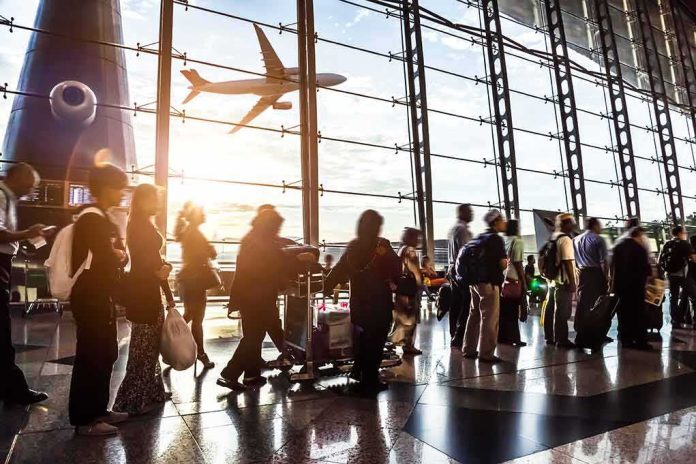
Air travel across Saudi Arabia slowed as security teams assessed damage and airlines reset schedules. A major network reported that hundreds of flights were canceled or delayed after the attacks, and showed images of crowded terminals and departure boards. The disruption spread from the south to the capital as more strikes were reported. Airports adjusted operations, diverted some flights, and issued safety notices. Travelers faced longer waits, missed connections, and limited rebooking options as the week wore on.
Disruptions affected both domestic and international routes. Airlines prioritized safety checks on aircraft and gates before resuming service. Airport authorities coordinated with emergency crews to repair damaged areas and to clear debris. Flight planners weighed air-defense alerts, route restrictions, and timing gaps between waves of attacks. The stop-and-go pattern made it hard for crews to maintain rotations. That further increased delays for passengers still trying to move through the system.
Claims Of Responsibility And The War Context
Houthi military spokespeople said their forces targeted Saudi airports, including Riyadh, Najran, and Abha, and claimed a ballistic missile hit King Khalid International Airport. Their statements described the goal of disrupting air traffic as part of the broader conflict with Saudi Arabia. Saudi aviation statements that week focused on casualties and damage, and did not always name the attackers. The pattern matched past rounds of the war, where attribution often came from Houthi claims and regional context.
Saudi Arabia's Riyadh International Airport to remain closed until October 17 following deadly Houthi attacks.
— 🟡 The Professor 🕵️♂️ (@TheNewsProfesor) October 12, 2026
The attacks fit years of back-and-forth strikes that have reached beyond front lines in Yemen. In earlier incidents, long-range weapons and drones hit southern airports and oil sites. This round again placed civilians in danger at high-visibility hubs. That raises long-standing questions about deterrence, how to protect non-military targets, and how to keep air travel running during regional crises. The public record confirms damage and casualties, while technical details about weapons remained limited in official briefings.
Why This Matters For Americans
These strikes show how fast a distant war can hit the global system that Americans depend on. Higher flight risks push up airline costs and insurance. That can raise ticket prices, squeeze supply chains, and strain energy markets. Families with loved ones abroad face new hurdles if routes close. Many Americans worry the “experts” and “elites” talk about stability while regular people pay the price in delays, higher costs, and fresh dangers that no one at the top seems able to stop.
What To Watch Next
Watch for a full Saudi incident log that lists each strike, casualties, and flight impacts. Clear, shared facts help cut rumor and give airlines a stable plan. Look for any release of debris analysis or radar tracks that confirm weapon types and launch paths. Monitor aviation alerts from major agencies and airline schedule changes. Finally, track any talks or cease-fire steps that could reduce the threat to civilian airports. Practical steps matter most when travelers’ lives are at stake.
Sources:
redstate.com, bbc.co.uk, apnews.com, dw.com, cnn.com