Police say a Georgia mother of four was shot in the head after a household fight about Christmas gifts, and her husband is now charged with murder.
Story Highlights
- Walker County deputies arrested Gene McCall Allen six days after his wife’s fatal shooting.
- Investigators say Allen described an earlier argument about their children’s Christmas presents.
- Reports say Allen claimed a gun in a closet went off, but deputies charged him with murder.
- The case fits a wider pattern where most intimate-partner killings involve a firearm.
What Investigators Say Happened Inside the Rossville Home
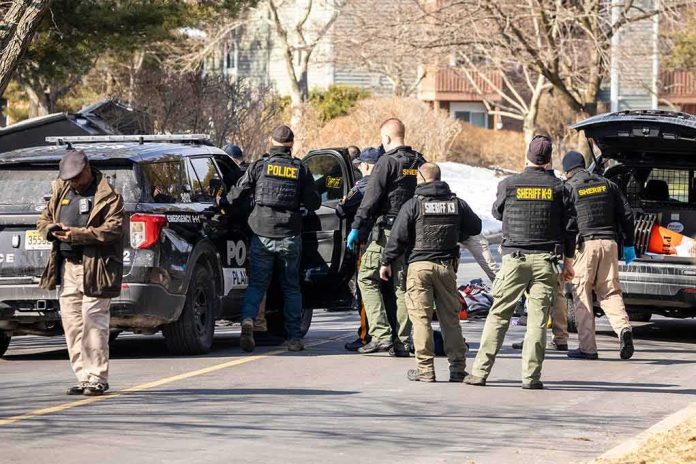
Walker County deputies responded to a shooting on November 14 in Rossville, Georgia. They found 32-year-old Bonnie Lashea Allen with a gunshot wound to the head. Reports state that Gene McCall Allen, 33, was performing CPR when deputies arrived. Bonnie later died from her injury. Authorities arrested Gene on November 20 and charged him with murder. The six-day gap suggests deputies built their case before making the arrest, rather than jailing him at the scene.
News accounts say Gene told deputies the couple had argued earlier that day about their children’s Christmas presents. He reportedly mentioned shipping costs and gift quality as part of the dispute. One report says Gene also claimed a gun inside a closet went off, which he linked to the shooting. Deputies still pursued a homicide case and lodged the murder charge after their follow-up work and interviews later that week.
The Alleged Motive and the Charge Authorities Filed
Published reports describe the gift dispute as a key detail that investigators considered when they looked for a motive. The argument reportedly happened the same day as the shooting, which ties the domestic conflict to the timeline. While one outlet summarized Gene’s account as an accidental discharge in a closet, deputies did not treat that explanation as the final word. They charged him with murder and booked him into jail following their review.
Local and national outlets repeated the same core facts: the fatal head wound, the earlier argument about presents, the six-day investigative window, and the single count of murder. Deputies have not released an autopsy, ballistics, or a full incident report to the public. That means official forensic details, such as weapon range, trajectory, and residue tests, have not been published in those reports. The case remains at the charging stage and has not gone to trial.
How This Fits a Wider Pattern of Domestic Violence and Firearms
Researchers have found that firearms are used in a majority of intimate-partner homicides in the United States. That pattern helps explain why a domestic argument that turns deadly often involves a gun. National work cited by public health scholars estimates that nearly 60 percent of intimate-partner killings involve a firearm. This case, as described by deputies and press reports, matches that broader trend in weapon use and household setting during a family dispute.
Families on both the right and the left share a basic worry here. A household argument should not end with a parent dead and four children left without their mom. People blame many things—law enforcement gaps, the courts, mental health waitlists, and the high stress many families feel. But they also want straight facts when tragedy strikes. Deputies say they developed evidence over several days, then made the arrest. A court will sort the rest as filings and hearings move ahead.
What We Know Next About the Legal Process
From here, prosecutors will seek an indictment and present evidence in court. A defense lawyer can contest the state’s theory and raise the claim of an accidental discharge. Judges will weigh what evidence comes in, including any interviews, records, and lab results. For now, the publicly reported facts are the death, the arrest, the reported argument about gifts, and the single murder charge. Future filings should add detail on forensics and the timeline that day.
Sources:
foxnews.com, people.com, hoodline.com