A foreign leader charged with drug crimes just asked a U.S. judge to throw out the case by claiming head-of-state immunity.
Story Snapshot
- Nicolás Maduro and Cilia Flores seek dismissal of U.S. drug charges, citing immunity as Venezuela’s leaders.
- Congressional research says current heads of state usually have status-based immunity in U.S. courts while in office.
- U.S. arguments center on nonrecognition of Maduro as Venezuela’s legitimate president and on conduct not being official acts.
- The court’s decision could shape how the United States prosecutes foreign leaders in the future.
What Maduro and Flores Told the Court
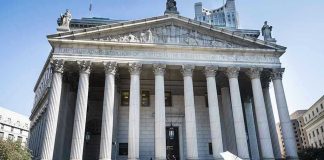
Defense filings in a Manhattan federal court ask the judge to dismiss the drug trafficking indictment. Lawyers for Nicolás Maduro argue that a head of a sovereign country cannot be prosecuted in a foreign court. They say Cilia Flores is protected as first lady. Reports describe their position as a broad claim of immunity tied to their offices and the nature of the alleged acts. The indictment remains in place unless the court finds immunity blocks the case.
Congressional analysis explains how status-based head-of-state immunity works in U.S. courts. The rule, rooted in customary international law, shields current leaders from criminal and civil cases while they are in office. Once a leader leaves office, that shield falls away. The analysis focuses on the person’s current office, not on the conduct’s nature, for this type of immunity. That framework is central to the defense’s strategy because it turns on whether Maduro counts as a sitting leader.
Why Recognition of Leadership Matters
The United States has argued that Maduro does not qualify for head-of-state immunity because it does not recognize him as Venezuela’s legitimate president. Prior statements from U.S. officials outlined this stance during earlier phases of the case. Legal commentary backing the U.S. view also says he is not a “sitting” head of state for immunity purposes, and that drug trafficking is not an official act that would earn conduct-based protection. Those arguments point the court toward denying immunity.
Reuters reporting places the dispute in a wider test of U.S. power to prosecute foreign leaders. It describes Venezuela’s attorney general claiming the United States lacks authority and that Maduro retains his immunity as the nation’s leader. If the court accepts U.S. nonrecognition and rejects official-capacity claims, the case moves forward. If it accepts status immunity tied to office, the indictment could be blocked for now, with major ripple effects for future cases.
How This Fits the Bigger Pattern
High-stakes prosecutions of foreign leaders often trigger immunity fights. Analysts note that immunity is strongest when the leader is clearly in office and recognized, and weakest when recognition or office status is disputed. The split appears again here: the defense leans on the status rule that protects current leaders, while U.S. arguments lean on nonrecognition and the idea that alleged drug crimes are private, not sovereign, acts. The judge must sort law of immunity from politics of recognition.
JUST IN — MADURO SEEKS DISMISSAL
Nicolás Maduro and his wife are seeking dismissal of the U.S. drug-trafficking indictment, arguing they have immunity as Venezuela’s “first family.” Prosecutors oppose the claim as the case moves forward.#WashingtonEye pic.twitter.com/6xfGBP50vp
— Washington Eye (@washington_EY) September 3, 2026
For Americans across the political spectrum, this clash raises core trust issues. People see elites using rules most citizens could never access. If a leader can dodge trial by invoking status, that looks like one set of laws for the powerful. If the government can set aside immunity by picking who counts as a real president, that looks like power over principle. Either path fuels the view that institutions bend to politics, not to equal justice under law.
What Comes Next and Why It Matters
The court will weigh whether status-based immunity applies to Maduro now, given U.S. recognition policy, and whether any acts can be treated as official. A ruling for immunity could stall prosecution of current foreign leaders on U.S. soil. A ruling against immunity could signal that recognition choices and the nature of alleged crimes can pierce the shield. Either way, the decision will shape future cases involving foreign officials who face serious charges in U.S. courts.
Sources:
insiderpaper.com, aljazeera.com, congress.gov, dplf.org, auilr.org, voanews.com