Two of the internet’s most powerful influencers are now locked in a Miami jail, facing a web of rape and sex trafficking charges that reaches from Florida to London and Bucharest.
Story Snapshot
- U.S. Marshals arrested Andrew and Tristan Tate in Miami on a United Kingdom extradition request tied to rape and sex trafficking charges.
- The United Kingdom’s Crown Prosecution Service now lists a total of 59 criminal charges against the brothers, involving seven alleged victims.
- Romania has pursued separate human trafficking, minor trafficking, and money laundering cases against the Tates, though one indictment stalled over procedural errors.
- The Tate saga highlights how online fame, politics, and “deep state” distrust are colliding in modern justice, leaving both fans and critics convinced the system is rigged.
Why the Tate Arrests Matter for Ordinary Americans
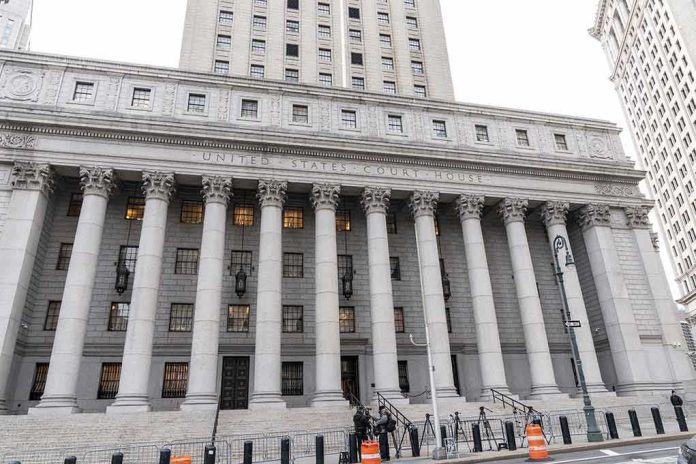
Andrew and Tristan Tate were arrested Saturday evening in Miami by United States Marshals after British prosecutors filed new rape and sex trafficking charges and requested their extradition to the United Kingdom. The brothers are being held in federal custody while a United States court weighs that request, a process that could take weeks or months. For Americans who feel the system favors the rich and famous, seeing two wealthy influencers behind bars cuts against the belief that elites always walk free, but it also raises new questions about who controls high-profile cases.
The United Kingdom’s Crown Prosecution Service now lists a total of 59 charges against the brothers, combining 21 counts announced in 2025 with 38 fresh counts authorized after new evidence from British police. Andrew Tate faces 42 charges, including multiple rapes, assault causing actual bodily harm, trafficking for sexual exploitation, and 19 offences tied to indecent images of a child and extreme pornography. Tristan Tate faces 17 charges, including rape, sexual assault, and arranging or facilitating trafficking for sexual exploitation, based on alleged crimes between 2010 and 2017 involving seven women.
How an International Web of Cases Took Shape
The Tate brothers first drew major police attention in Romania, where they lived and ran a lucrative webcam business built on their online brand of extreme wealth and male dominance. Romanian anti-organized-crime prosecutors indicted them in 2023 for rape, human trafficking, and forming a crime group to sexually exploit women. In 2024, Romanian police raided four of Andrew Tate’s properties and widened the investigation to include trafficking minors, sex with a minor, money laundering, and attempts to influence witnesses, showing just how deep authorities believed the criminal network might run.
A Romanian appeals court later ruled that the first human trafficking case could not move forward to trial because prosecutors mishandled key procedures, sending the file back for corrections instead of tossing the allegations entirely. This technical dismissal gave Tate supporters fresh ammo to claim the charges were weak or “political,” but it did not clear the brothers of wrongdoing, and Romanian authorities kept a second case open. That pattern—serious accusations mixed with procedural missteps—matches what many Americans see in other big cases, where complex rules and court delays can feel like smoke screens hiding what really happened.
Media Trials, Politics, and “Deep State” Fears
Major outlets like the British Broadcasting Corporation, Reuters, and The New York Times have covered the Tate story mainly through the lens of official charges, often presenting the accusations in detail while giving far less attention to the brothers’ claims of political persecution. Academic research shows that in high-profile criminal cases, television and social media can act like “shadow courts,” shaping public opinion long before any verdict is reached. For many conservatives and liberals alike, this looks like yet another media-driven trial where guilt is assumed because the narrative fits fears about toxic influencers, misogyny, and online radicalization.
The Tate brothers and their legal team insist they are innocent, arguing that prosecutors have no proof of forced transport, coercion, or forced labor, which are key elements of human trafficking under law. Their lawyer has publicly called Andrew’s most extreme comments “entertainment,” saying he plays a character online rather than revealing his true behavior. Yet this defense sits beside ongoing civil suits in the United Kingdom from women who accuse Andrew Tate of rape, choking, and threats, revealing how blurred the line has become between online “persona” and real-world harm.
What This Case Reveals About Elites and the Justice System
Reports indicate the Tates cultivated ties with figures close to President Donald Trump, including his sons, during their Romanian legal battles, raising concerns that political connections may have helped soften foreign travel limits and ease their move back to the United States. For many Americans who already suspect a “deep state” run by powerful insiders, this mix of legal favors, global travel, and high-end lawyers looks like the same double standard that shields big names while regular people face harsh treatment for lesser crimes.
Andrew and Tristan Tate have reportedly been arrested in Miami by the U.S. Marshals Service following a United Kingdom extradition request.
Authorities say the U.S. warrant remains under seal, and officials have not released additional details about the arrest.
#TheFamilyTv📺 pic.twitter.com/Ec9WR3cFu4— TheFamilyTv (@TheFamilyTv22) July 19, 2026
At the same time, the brothers’ huge online following has targeted alleged victims and critics, doxxing women who testified in Romania and flooding social platforms with claims that all charges are part of a global plot to silence “alpha males.” That harassment can scare witnesses and make real trials harder, turning justice into a battlefield between fans and accusers instead of a careful search for truth. Whether one sees the Tates as predators or martyrs, their arrest shows how far America has drifted from a simple idea: the law should judge actions fairly, no matter how rich, famous, or politically connected you are.
Sources:
nypost.com, en.wikipedia.org, bbc.com, news.sky.com, cbsnews.com, nytimes.com, youtube.com, theguardian.com