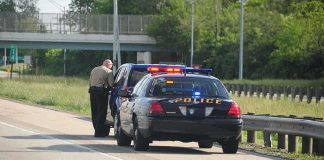
Security at Kamala Harris’ Malibu property stopped an uninvited woman before she reached the home, and deputies boosted patrols afterward.
Story Snapshot
- Security intercepted a woman who entered the property; she did not reach the residence.
- Los Angeles County sheriff’s deputies took a trespassing report and increased patrols.
- Kamala Harris and Doug Emhoff were not at the home when the incident occurred.
- The case highlights how routine trespass becomes a political flashpoint around high-profile figures.
What Happened At The Malibu Property
Los Angeles County sheriff’s deputies responded late Friday after security reported a woman had entered the grounds of Kamala Harris’ Malibu property. Security stopped the woman before she reached the home. A Harris spokesperson said the woman entered the property without permission and was intercepted quickly. Deputies took a trespassing report and advised the woman to leave. Officials said patrols around the property would increase as a safety step, and no injuries were reported.
Lieutenant Jason Duron with the Malibu and Lost Hills station said patrols would be stepped up “to be safe,” following the response and report. That choice matches common practice when there is a breach at a high-profile residence. Deputies said the individual left after contact. No arrest details were published by the department at the time of reporting. The Harris spokesperson added that Kamala Harris and Doug Emhoff were not present when the incident occurred, lowering immediate risk to people inside.
Why This Routine Call Draws Big Attention
Local officers and private security handle most trespass calls like this one as standard property cases. The story drew more attention because the target is a national figure with a recent security shift and a well known address. Media often amplifies such events because they sit at the edge of politics, celebrity, and public safety. The facts here remain basic: security intercept, deputy response, a report, a voluntary departure, and a short-term increase in patrols to deter repeat attempts.
Public debate often turns to who pays for protection when prominent people move in private life. Harris bought the Point Dume home after leaving federal office, and reporting earlier this year detailed how local and state agencies filled some security gaps. Police unions and critics questioned using limited officers for VIP coverage. Supporters argued that threats against public figures can spill into the community if not managed well. Those arguments resurfaced online after this incident, even as officials treated it as a routine trespass.
Security Tradeoffs In A Frustrated Era
Residents across the spectrum share worries about safety, fairness, and use of public resources. Conservatives point to stretched police forces, high costs, and unequal protection. Liberals point to rising threats, the risk to families, and the need to prevent violence. This case touches both sets of concerns. Deputies followed standard steps that protect neighbors and property. Extra patrols can calm a tense block at night, but they also tie up units that many want in higher crime areas during peak hours.
Security reportedly stopped and apprehended an “intruder” on Kamala Harris’ property in Malibu today. pic.twitter.com/TQwuytqdCf
— National Chronicle (@NCNewsOnX) September 13, 2026
Policy experts note that heightened security for high-profile figures does not remove the role of basic property law. Officers still respond first under state trespass rules unless there is a clear federal trigger. That is why an apparent first-time breach on private land is usually logged, not dramatized. The lesson is simple and old: fast detection and clear boundaries stop small problems from becoming large ones. That is true for a famous homeowner and for any neighbor down the street.
What To Watch Next
Los Angeles County deputies may release an updated summary if they identify a pattern or a credible threat. Officials could also coordinate with state partners to review security posture around driveways, gates, and cameras. Neighbors should expect marked patrol cars in the area for a short period, then a return to normal schedules. If the woman returns or ignores warnings, the case could shift from a warning to a citation or arrest under local trespass statutes, which is common in repeat events.
For readers tired of elite exceptions and government drift, this story shows two truths at once. First, basic rules still work when people enforce them quickly and fairly. Second, security for the powerful always pulls in public resources and public anger. The fix is not theater or blame. The fix is steady policing, clear lines about who pays for what, and the same rules for everyone. Friday night in Malibu looked like that: quick stop, brief report, more patrols, and home safe.
Sources:
foxnews.com, cnn.com, ijr.com, abc10.com, nypost.com