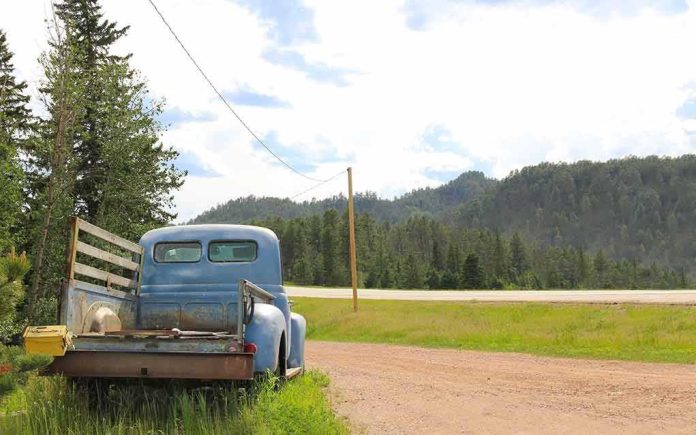
Americans are quietly turning aging pickup trucks into a $15 billion business, and it says more about our economy and our values than any glossy ad for a $70,000 rig ever will.
Story Snapshot
- Truck owners spent about $15 billion modifying pickups in 2025 instead of buying new ones.
- The average vehicle on U.S. roads is now about 12.8 years old and still aging.
- New full-size pickups regularly top $60,000, pushing many buyers toward older trucks instead.
- Older trucks cost more to maintain but often still beat the long-term cost of a modern truck payment.
Americans Are Keeping Their Trucks Longer And Spending More To Do It
Specialty Equipment Market Association market research shows parts for pickup trucks now make up about 30 percent of accessory and performance aftermarket sales. That translates to more than $15 billion spent in 2025 on upgrades for pickups alone, from suspension and tires to body and utility mods. At the same time, analysis of vehicle age finds the average car or light truck on American roads has reached about 12.8 years, a record high. People are not cycling through new vehicles quickly. They are hanging on and investing in what they already own. That choice fits the common sense instinct to avoid debt and squeeze more life out of a paid-off asset, especially when household budgets already feel stretched.
Federal data has tracked this aging trend for years. Earlier reports from the Bureau of Labor Statistics showed vehicle age rising as households held on to cars, trucks, and vans longer after the 2008 downturn. More recent work by analysts following S&P Global numbers confirms that the age of the national fleet keeps climbing, with forecasts pushing toward 13 years on average before the decade ends. This is not a short-term blip. It is becoming a new normal, and pickup owners are right in the middle of it. When a truck still runs and does the job, many Americans now prefer to repair, upgrade, and keep it rather than sign up for another huge loan.
Sticker Shock On New Pickups Is Driving The Aftermarket Boom
Full-size pickups like the Ford F-150 and Chevrolet Silverado now sit at the heart of America’s auto economy, but the price is punishing. Kelley Blue Book data show the average price paid for a full-size pickup near $66,000, with combined retail and fleet sales topping $15 billion in revenue in a single recent December. Separate reporting puts the typical new vehicle price above $50,000. Those numbers do not include insurance, taxes, or interest on long loans. For many families, especially in rural or working-class areas, that price simply does not line up with reality. Conservatives often talk about living within your means; for truck buyers, that means looking hard at older iron.
Independent breakdowns of ownership cost make the choice even clearer. One analysis comparing a modern truck against a mid-1990s pickup over a ten-year span found the new truck owner spending about $146,000 all-in on payments, fuel, maintenance, insurance, and fees. The older truck, maintained and driven the same way, came in closer to $88,000. That $60,000 gap over a decade is not small. It looks a lot like a college education, a second property, or a retirement nest egg. From a common sense standpoint, pouring a few thousand a year into repairs and upgrades feels wiser than handing that entire margin to lenders, insurers, and automakers.
Older Trucks Cost More To Fix But Still Make Financial Sense
The catch is that older pickups are not cheap to keep on the road. Fleet benchmark reporting based on more than a million commercial vehicles shows trucks over ten years old can cost around $1.10 per mile to maintain, compared with roughly $0.20 for newer assets. Those older units make up less than one fifth of fleet capacity but consume about one third of service spending. Many shop owners confirm that older pickups pull in frequent, high-ticket jobs. Articles focused on consumer trucks point to models like the Ram 1500 and Ram 3500 with ten-year upkeep costs that can clear $17,000 to $25,000.
That sounds brutal until you line it up against the cost of a new truck payment plus higher insurance and taxes for a vehicle that starts near $60,000 and drops value the moment it leaves the lot. Used-truck guides note that buyers can often save $20,000 or more up front by choosing a good older pickup instead of a new one, and pay less for insurance because carriers charge lower rates as vehicles age. Many seniors and middle-aged buyers now target ten-year-old trucks on purpose, knowing their weak points are well documented and parts are easy to find. That strategy reflects the kind of cautious, evidence-based judgment that American conservative culture usually celebrates.
Culture, Control, And The Rise Of The DIY Truck Economy
There is also a cultural undercurrent behind these spending patterns. Pickup trucks have long been tied to ideas of independence, work, and self-reliance in American life. Reports on vintage trucks note growing interest in older models as new pickups pile on complex electronics and face tighter regulations. Many owners feel modern trucks no longer match simple needs: haul, tow, start every morning, and stay fixable in a home garage. Keeping an older truck running, or even restoring a vintage model, offers control. Owners decide what to fix, what to add, and when to spend. They are not forced into subscription features or dealer-only service options that add hidden costs.
This shift has economic winners and losers. Aftermarket suppliers and independent repair shops see strong, steady demand from aging pickups and their owners. Dealers counting on constant new-truck turnover see more pushback from buyers tired of $1,000 monthly payments and rapid depreciation. Commentators warning that new-truck prices cannot keep rising forever are not attacking trucks themselves; they are calling out a system that seems tuned for corporate profits over household stability. From a conservative, common sense view, Americans voting with their wallets and keeping older pickups alive look less like a problem and more like a healthy correction.
Sources:
carbuzz.com, youtube.com, linkedin.com, gmb.net, endurancewarranty.com, bls.gov, msn.com, foxnews.com, itdp.org, bts.gov