Iran’s army chief publicly offered cash rewards for any American soldier killed or captured during a U.S. invasion of Iran, sharpening an already tense standoff.
Story Snapshot
- Iranian Major General Amir Hatami announced a $30,000 reward for killing or capturing “invading” U.S. soldiers.
- Multiple outlets reported the offer was made at a public event and tied to citizen action.
- Reports said contributions from the public or private donors would fund the rewards.
- The statement adds to a pattern of pressure tactics in U.S.–Iran tensions.
What Iran’s Army Chief Said and How It Was Framed
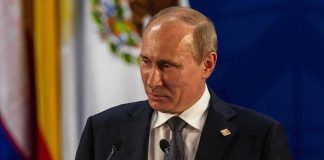
Major General Amir Hatami told a public audience that anyone who kills or captures an “invading” American soldier would receive a reward equal to $30,000, according to same‑day reports from regional outlets. One outlet quoted Hatami’s figure and phrasing directly, presenting it as a clear offer tied to an invasion scenario. Another report said the comments came during a Journalists’ Day event and were aimed at U.S. troops who attack Iranian soil.
Coverage described the rewards as financed by contributions, though wording differed on whether funds would be public or private. One report said public contributions would fund the rewards, while another said private contributions would do so. Outlets repeated the $30,000 figure, with several noting the offer applied to killing or capturing. Reports did not include detailed instructions for claims or payment procedures beyond the basic offer.
How This Fits the Larger U.S.–Iran Standoff
The announcement landed amid months of tit‑for‑tat moves by Washington and Tehran across the Middle East. Analysts describe Iran’s strategy as pressure through many tools at once: missiles, drones, naval actions, cyber, and public messaging. The goal is to raise the cost of confrontation for the United States and its partners without always crossing into formal war. Recent reporting shows Iran working to widen pressure on trade routes and regional infrastructure to shift U.S. choices.
The reward offer tracks with that playbook. It sets a price on U.S. forces in a stated invasion scenario, which signals resolve at home and sends a warning abroad. The new message also follows a period in which both sides traded shots and threatened more. This kind of messaging can harden positions and make missteps more likely, especially when forces operate near each other by sea and air. That risk grows when leaders use sharp words that local actors might hear as a green light.
What We Know, What Is Not Specified, and Why It Matters
Reports agree the offer was public, named, and specific on the amount. They also agree it targets “invading” U.S. troops, not American soldiers everywhere. The clearest quote set the reward at $30,000 for a kill or capture, with no timeline or geography beyond an attack on Iranian soil. Outlets did not show instructions for verifying claims, reviewing evidence, or managing payouts, which leaves the mechanics of any program unclear in open sources.
⚡️ BREAKING: Iran places $30,000 bounty on US soldiers amid invasion threats—reward doubled for women. pic.twitter.com/K5mZPe5qh7
— smc ict trader (@Smc_ictfx) August 16, 2026
For Americans, the offer will feel like a gut punch. Families with loved ones in uniform hear a foreign commander put a price on their lives. For many conservatives, this underscores fears that U.S. power is being tested while Washington struggles to deter attacks. For many liberals, it highlights how endless tensions keep pouring gasoline on a region already on edge. For both, it feeds a shared worry: leaders talk tough, but ordinary people carry the risk and pay the price.
Sources:
redstate.com, yahoo.com, hamerintel.com, facebook.com