New York City’s new taxpayer-funded “discount” grocery stores will likely require shopper IDs, turning a plan meant to fight high food prices into a fresh flashpoint over government control and fairness.
Story Snapshot
- Mayor Zohran Mamdani plans five city-run grocery stores that sell key foods about 30% cheaper than private supermarkets.
- City officials say they are exploring a “library card–style” ID system to limit shopping to New York City residents and curb bulk reselling.
- Critics across the political spectrum call the ID idea hypocritical and worry it will hurt local bodegas and small grocers.
- The fight highlights a deeper frustration: government experiments with markets while many feel the “elites” still ignore everyday struggles with food costs and trust in institutions.
Mamdani’s Discount Grocery Vision
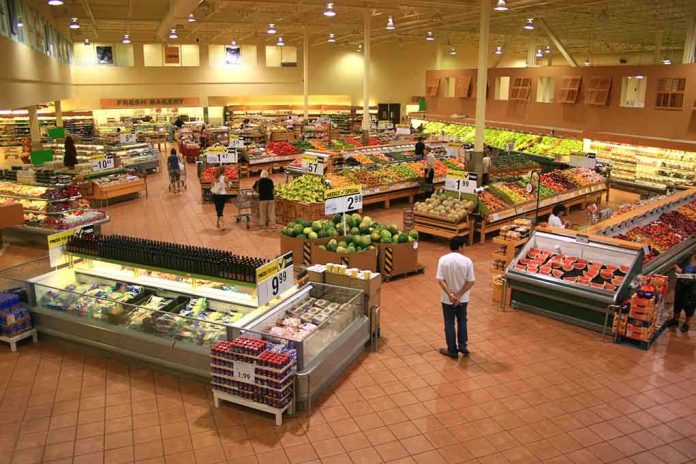
Mayor Zohran Mamdani has launched a plan to open five city-owned grocery stores, one in each borough, aimed at bringing down the cost of basic food for residents living with high prices and thin paychecks. The mayor’s office says a “core basket” of groceries, including all fresh produce, meat, seafood, and about twenty categories of pantry and dairy staples, will be sold at around 30 percent below typical retail prices. City projections claim the average New Yorker could save roughly 15 percent on their total grocery bill, or about $90 a month and close to $1,000 a year, if they use the new stores regularly.
The stores will sit in city-owned buildings and will not pay rent or property taxes, lowering operating costs compared with regular supermarkets. Private companies will run day-to-day operations, but under contracts that require them to pass savings on to shoppers and keep the discounted basket in place. Mamdani frames the plan as a public service, not a profit-making venture, arguing that food should be affordable and predictable and that government can stand in when the market fails struggling families. Supporters point to “food deserts” in poorer neighborhoods and say many residents now travel far or pay high corner-store prices just to feed their families.
The Emerging ID Requirement
The calm policy pitch shifted sharply once a key detail came out: city officials say they are designing a system to check IDs at the new stores so that only New York City residents get the deep discounts. At a press event, Mamdani’s team explained that their request for proposals to operators will require measures to “target New Yorkers” and block people who might buy large amounts of cheap food to resell for profit elsewhere. One official described the idea as “sort of a library-card-esque system,” hinting at a city-issued or city-verified card that shoppers would present before using the subsidized prices. The administration still insists that income tests will not be used and that the stores are open to residents across the city, not just the poor.
For many New Yorkers, the ID issue hits a raw nerve that goes far beyond groceries. Commentators on the right immediately compared the proposal to debates over voter ID laws, calling it hypocritical that some of the same voices who oppose showing ID to vote would back requiring ID to buy taxpayer-subsidized food. Online critics, including well-known conservative figures, argued that if ID checks are fair to protect a government program from “abuse,” they should also be fair to protect the ballot box. Others questioned what happens to undocumented immigrants or people who lack easy access to government IDs, noting that the city says the stores are for “everyday New Yorkers” while hinting at barriers that could shut some of them out.
Small Businesses, Taxpayers, and the “Deep State” Fear
Bodega owners, small grocers, and their allies are also sounding alarms, not just about IDs but about the entire model of government-run retail. They warn that subsidized prices backed by city money will pull customers away from family-run stores that already survive on thin profit margins. Some opponents have labeled the plan “ration shops” or compared it to failed experiments from socialist countries, saying it shows how politicians use grand projects to grow government power while everyday small business owners bear the cost. Policy analysts have further argued that the funding picture is shaky and may rest on misunderstood or already-committed subsidy dollars, raising questions about how long the discounts can last without new taxes or cuts elsewhere.
NYC Mayor Zohran Mamdani's administration is moving forward with five city-owned grocery stores, one per borough. Grocery prices will be priced 30% below typical retail, locked monthly. The city has allocated $70 million in capital funds from the taxpayer-funded budget to build… https://t.co/3MAn2yKnl3
— coltswalker (@coltswalker) August 3, 2026
The backlash taps into a wider anger shared by many conservatives and liberals: the sense that the federal and local governments do not really fix core problems like inflation, low wages, and food costs, but instead run “experiments” that help politicians look good while regular people stay stuck. To some, Mamdani’s grocery plan feels like another case where elites decide where and how people can shop, set new rules like ID checks, and move money around without clear long-term answers. To others, the plan looks like a rare attempt to use public power to ease grocery bills, but they still worry that bureaucracy, favoritism, and poor design will turn a simple promise of cheaper food into another headache at the checkout line.
What Comes Next for New Yorkers
The first city-run grocery store is slated to open in Hunts Point in the Bronx by late 2027, with all five stores planned to be operating by the end of Mamdani’s first term. Between now and then, key questions remain: how exactly the ID system will work, whether undocumented or mixed-status families can access discounts, and what safeguards will protect small businesses and taxpayers if costs rise. The city council and community groups are likely to press for clear rules, hard numbers, and public oversight to make sure the so-called “core basket” of cheaper groceries does not quietly shrink or become harder to access as time passes. For New Yorkers watching from across the political spectrum, the grocery experiment has become a test of whether government can deliver real help on everyday needs without sliding deeper into the top-down control many already blame on a distant “deep state.”
Sources:
twitchy.com, nyc.gov, apnews.com, washingtontimes.com, jacobin.com, aljazeera.com, forbes.com, facebook.com, nypost.com, foxnews.com, reason.com