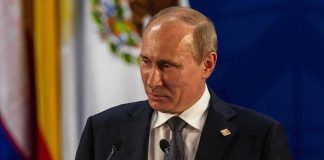
President Trump will host China’s Xi Jinping in Washington for a high-profile state visit focused on trade, Taiwan, Iran, and artificial intelligence.
Story Snapshot
- White House welcome and state dinner anchor the visit
- Trump plans to greet Xi at Joint Base Andrews
- Talks center on trade, Taiwan, Iran, and artificial intelligence
- September 24 targeted for the Washington meetings
A State Visit Built for Stakes and Signals
President Trump will welcome Chinese leader Xi Jinping to Washington next week for their second meeting this year, with a White House arrival ceremony and a state dinner on the schedule. Senior officials said Trump plans to greet Xi at Joint Base Andrews when he lands, a protocol move that sets a cooperative tone before tough talks. Multiple outlets place the visit on or around September 24, marking Xi’s marquee stop in the United States this year.
White House planning points to a two-day sequence that pairs symbolism with substance: a South Lawn arrival, bilateral meetings, expanded sessions with aides, and a formal state dinner hosted by President Trump and First Lady Melania Trump for Xi and Peng Liyuan. Such choreography matters. It shows respect while signaling to markets and allies that both leaders intend to manage friction and avoid shocks as they speak about serious disputes and possible narrow deals.
The Core Agenda: Trade, Taiwan, Iran, and Artificial Intelligence
Both sides will tackle a familiar but urgent set of issues. Trade talks aim to steady a tense economic relationship and may explore limited tariff steps on select products, though final terms are not locked in. Taiwan will test each side’s red lines and crisis channels. Iran’s oil, sanctions, and Middle East risk sit in the mix as well. Artificial intelligence policy and safety will enter the room, with aides exploring a sideline meeting with industry leaders.
Expectations should track the pattern of big-power summits. The likely near-term outcomes are steps that reduce the chance of miscalculation, create room for more talks, and sketch guardrails around trade and technology. Think narrower moves, not grand bargains. Analysts who watched earlier Trump–Xi rounds say the most durable results are often risk management and a pause on new pain, while core disputes keep running beneath the surface.
What Matters for Americans: Prices, Security, and Tech Rules
Any movement on tariffs could affect what families pay for common goods, from appliances to tools, and what farmers and manufacturers can sell abroad. That is why traders watch even small tariff signals closely. Clearer crisis channels over Taiwan matter for service members and allies across the Pacific. Steps on Iran could touch energy markets and security risks. Early agreements on artificial intelligence standards could shape how American companies build, test, and deploy new systems.
8 AM Top-of-the-Hour News
President Trump is set to address to the UN General Assembly this week.
NewsNation's Tom Dempsey -: “Tuesday is going to be the day to watch with the UN General Assembly. That's when we expect President Donald Trump to speak in front of this big… pic.twitter.com/lrUJDUYdfU— Worldwide News Network (@WorldwideNNX) September 20, 2026
Common sense says measure results by what is signed, not what is teased. If the visit locks in narrow tariff relief tied to clear conditions, that can help growth without giving away leverage. If both sides agree to keep military hotlines open and hold routine technology talks, that can lower risk while the United States keeps its guard up on chips and data flows. That balance—engage, test, verify—matches American conservative values of strength, prudence, and accountability.
How to Read the Signals This Week
Watch the arrival optics for warmth or strain. Track whether joint statements use specific verbs—“will reduce,” “will launch,” “will meet quarterly”—instead of vague hopes. Note if the leaders name tariff lines, dollar ranges, or dates. Look for whether artificial intelligence talks include export controls, model safety, or only a future “dialogue” placeholder. The clearest marker of progress is a concrete timeline with responsible agencies named on both sides.
Sources:
facebook.com, reuters.com, abcnews.com, cnbc.com, chosun.com, businesstimes.com.sg, livemint.com, bbc.com