Iran’s rulers have filled Tehran and other cities with motorcycle patrols and checkpoints to head off new unrest, signaling a government on edge.
Story Snapshot
- Security forces boosted motorcycle patrols and checkpoints across major Iranian cities.
- Reports describe broad deployments of police, Basij militia, and special units in urban areas.
- Analysts say Iran uses layered, visible force to deter protests before they grow.
- Large-scale mobilization drills highlight regime focus on street control and signaling.
What Happened: Patrols, Checkpoints, and Visible Force
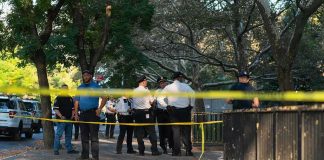
Multiple reports say Iranian security forces increased visible patrols and roadside checks across Tehran and other cities as leaders prepared for possible unrest. Sources described motorcycle units and fixed posts placed in key areas to keep crowds from forming and to monitor movement. These moves follow recent tension over prices and politics. The deployments show a system built to be seen. The point is not just arrests. The point is to warn people before protests start.
Accounts from inside Iran listed deployments of police, special units, and the Basij militia in Tehran, Mashhad, Shiraz, Karaj, Isfahan, Tabriz, and other cities. Residents reported stepped-up activity at night and during early commutes. Some described more checks near fuel stations and busy roads. The pattern fits past responses to stress: blanket the streets, move in teams, and use motorbikes to swarm and scatter groups fast. These are not one-off sweeps. They look like a citywide grid.
How Iran’s Security Playbook Works
Analysts and past reporting describe a layered system that mixes formal police with paramilitary units tied to the Revolutionary Guard. The system uses visibility to prevent organization. Neighborhood teams watch, warn, and, if needed, strike fast. Reuters reported this design aims to deter collective action before it can coordinate. The value is presence as much as force, plus intelligence from constant contact with the street. Checkpoints and roving bikes are central to that model.
Large-scale drills also send a message. Recent reporting says Revolutionary Guard-affiliated forces planned a mass motorbike mobilization in Tehran as part of a broader campaign. The exercise’s size and branding matter as much as its tactics. It signals reach, speed, and numbers. It also rehearses crowd control and urban maneuver. For citizens, the sight of thousands of riders moving in formation tells them the state is ready to flood any hot spot in minutes.
Why It Matters to Americans
Iran’s leaders are hardening the home front while facing outside pressure and a weak economy. When a government relies on street control to manage anger, it often means deeper problems are not getting fixed. Many Americans across left and right know this pattern. When elites protect power with force and surveillance, regular people pay the price. In Iran, that looks like checkpoints and searches. In the United States, people fear different tools, but the worry about unaccountable power feels similar.
Iranian authorities have stepped up security across Tehran and other cities, with motorcycle patrols, checkpoints and forces positioned in major urban areas, multiple sources inside Iran told Fox News Digital.
The buildup comes as university students in Tehran return to the… pic.twitter.com/QmT1BWvPOf
— Fox News World (@FNCGlobalNews) September 29, 2026
Regional stability also hangs in the balance. A tense Iran can export risk to distract from problems at home. That can mean more pressure in sea lanes or more proxy activity. For U.S. readers, it affects energy prices, shipping, and the chance of a wider fight that could draw in American forces. The bottom line is simple: streets under constant patrol point to a state that sees threat everywhere. That is a warning sign for the region and for the global economy.
Context: From Past Crackdowns to Today’s Grid
Iran’s rulers have long used motorcycles, checkpoints, and neighborhood patrols to break momentum in the streets. The approach blends fear, speed, and data gathering. It depends on being everywhere at once, or at least making people feel that way. All this is happening again as authorities brace for fresh protests and mark sensitive dates. The goal is to make organizing risky and slow. The cost is trust between people and the state, which grows thinner each cycle.
Sources:
redstate.com, ncr-iran.org, us.headtopics.com, iran-hrm.com