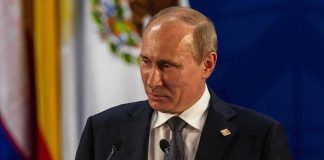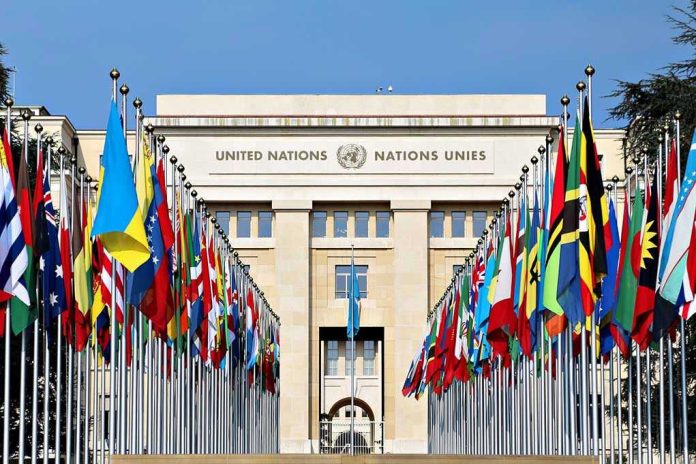
At the United Nations, President Trump declared American sovereignty non‑negotiable and said U.S. power defends freedom, not global control.
Story Highlights
- President Trump addressed the 81st United Nations General Assembly and said American strength is back.
- Trump opened by marking America’s 250th year and highlighted domestic gains before turning to foreign threats.
- The White House framed the message as action over talk, pledging to defend U.S. interests and sovereignty.
- Coverage captured Trump tying U.S. power to a safer world and rejecting outside control of America’s destiny.
Trump Puts U.S. Sovereignty First at the United Nations
President Trump addressed the 81st session of the United Nations General Assembly in New York on September 22 and said American strength and resolve are back. The White House framed the speech around action, sovereignty, and clear interests. The message stressed that the United States will confront enemies, protect citizens, and reject schemes that weaken national control. Official listings and live coverage confirm the remarks and their focus on American leadership and security.
Multiple outlets reported that Trump opened by marking the nation’s 250th anniversary, then pointed to domestic achievements before moving to global issues. Reports cited tax relief, jobs, markets, crime, and border enforcement as examples he used to show strength at home. That setup served a larger point: a strong America keeps peace by standing firm, not by yielding to global pressure. The transition then moved to hot zones and what he sees as urgent threats.
Linking American Power to Peace and Freedom
Trump tied U.S. military and economic strength to a safer future for all, according to contemporaneous reporting. He said a strong America deters war and protects freedom, casting national sovereignty as the shield that guards peace. That aligns with his long record of using the United Nations platform to defend self‑rule over global control. ABC’s summary quoted him praising American might as a force for safety and order in a dangerous world.
The White House account underscored that theme by pledging to confront adversaries, protect interests, forbid communism, and defend sovereignty. The summary also emphasized that America will decide for itself, on its own terms, and act when needed. That framing fits a broader pattern in United Nations addresses where presidents use the moment to affirm national purpose and draw a line against outside interference with domestic policy.
Domestic Strength as the Base for Foreign Policy
Live coverage described how Trump used domestic results to justify tougher stands abroad. He pointed to a stronger economy and enforcement at home as the base for firm diplomacy and robust defense. Outlets noted he shifted from that record to ongoing conflicts and emerging risks. The argument was simple and direct: secure borders, energy strength, and disciplined spending make America more credible and able to keep the peace through strength, not appeasement.
Cuba's UN delegation walked out during Donald Trump's speech on 22 September after he called the country an "absolutely failed State", predicted its communist regime "will fall" and declared that "freedom will be coming to #Cuba".#Havana #MarcoRubio #UNGA #Trump #Communism
— Nishit Doshi (@NishitDoshi144) September 22, 2026
C‑SPAN’s program record confirms the event and captured Trump touting accomplishments at home and abroad during the address. That public record, along with the White House release and live reporting, provides a consistent picture of the core message. Trump presented an America that acts, not lectures; defends its people; and refuses to hand power to unaccountable global bodies or schemes that erode liberty and national choice.
What This Means for Conservatives Watching Washington
Trump used the world’s biggest stage to reject globalist pressure and to back policies that many conservatives demand: strong borders, energy independence, a tough line on hostile regimes, and respect for the Constitution. The message said no to outside control of American life, including top‑down agendas on technology or trade. It said yes to decisions made in the United States, by Americans, for Americans, with peace through strength as the watchword for the next year.
Sources:
livemint.com, aljazeera.com, pbs.org, whitehouse.gov