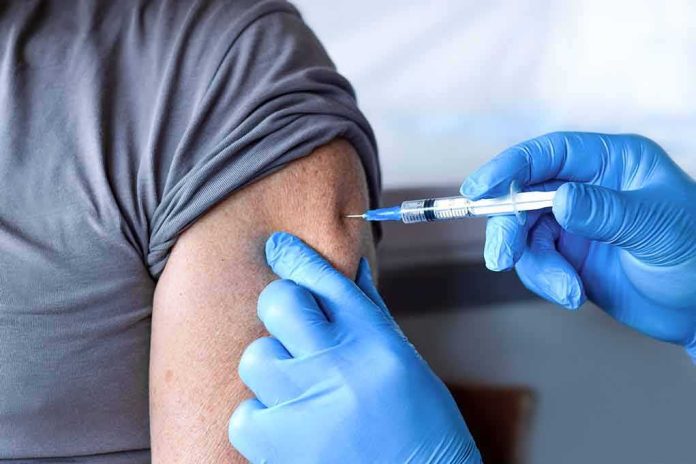
A shingles shot built to stop a rash now looks like quiet armor for the heart.
Story Snapshot
- Researchers found Shingrix users had a 9% lower cardiovascular burden over seven years.
- Heart disease burden dropped about 10% and heart failure about 12% after Shingrix versus the older shot.
- Meta-analyses and large cohorts echo lower risks for stroke and heart attack after shingles vaccination.
- Absolute gains are modest per person but add up fast across millions of adults.
What the new study actually measured and why it matters
Oxford-linked researchers compared two shingles vaccines across health records for more than seventy thousand adults. They tracked time lost to cardiovascular problems after vaccination. People who received the recombinant shingles vaccine, known as Shingrix, spent 9% more time free of heart issues over seven years than those who received the older live vaccine, Zostavax. The gap signals less total burden from events like blocked arteries, weak heart muscle, and rhythm problems, which drive disability and costs as we age.
The same analysis tied Shingrix to about a 10% drop in ischemic heart disease burden and a 12% drop in heart failure burden versus the older shot. This pattern fits a larger trend. Multiple reviews and cohorts report fewer strokes and heart attacks in vaccinated groups compared with unvaccinated peers. The direction is consistent across settings. The size of the benefit shifts by study design and follow-up length, but the signal keeps showing up.
How a shingles shot could shield the heart
Herpes zoster, the virus behind shingles, can stir strong inflammation. That spike can stress artery linings, prime clots, and push weak hearts over the edge. Cutting shingles and its flare-ups likely trims those hits. The new results line up with research showing lower major cardiovascular events after shingles vaccination and fewer cases of blocked coronary arteries and stroke in follow-up windows that span years. The logic is simple: less viral fire means less vascular smoke and fewer embers that re-light disease.
Practical impact depends on scale. For one person, the absolute drop in events each year is small. For a city of older adults, those small drops add up to real wins. One analysis estimated about one to two fewer major heart events per thousand people per year after shingles vaccination. That looks modest on paper. It looks big when it spares neighbors from stents, heart failure admissions, or stroke rehab.
Where the evidence is strong, and what to watch next
The new study’s strength is the active comparison between two vaccines given to similar age groups. That trims the usual bias that fitter people choose shots. The authors also ran checks that supported the main finding. Broader reviews point the same way, with lower pooled risks for stroke and heart attack in vaccinated adults across many datasets. Together, these pieces suggest a real secondary gain for hearts from a vaccine built for nerves and skin.
Observational work still leaves some room for healthier-user effects and other hidden factors. That caveat does not erase the signal, but it sets a fair bar for future research. The next step is targeted trials or natural experiments that sharpen who benefits most, how long protection lasts, and whether timing with heart medicines matters. Clear answers help doctors stack simple steps that protect both shingles-prone skin and aging arteries.
What this means for your doctor visit
Adults over fifty already have a strong case for shingles vaccination to prevent pain and post-herpetic nerve damage. The heart link adds another nudge. A two-dose Shingrix series may cut the risk of clogged arteries and weak heart muscle over time compared with skipping or relying on the older shot. For patients with diabetes, high blood pressure, or prior heart issues, a small extra edge compounds the value of blood pressure control, statins, and walking shoes.
Sources and notes:
The heart study: Corsi-Zuelli et al., Nature Medicine, Aug 26 2026. US TriNetX records, 70,000+ matched adults 60+, Shingrix vs the older Zostavax, 7-year follow-up. Overall cardiovascular burden 9% lower (RMTL ratio 0.91, CI 0.88 to 0.95), ischemic heart…
— Avi Roy (@agingroy) September 3, 2026
Policy makers should see an efficiency play. A vaccine with one clear job may also chip away at the biggest driver of Medicare costs. American conservative values prize personal responsibility and cost-effective prevention. This fits both. No culture-war gloss, just fewer heart attacks and hospital nights from a routine, once-and-done series. That is prudent medicine and sound stewardship. Talk with your clinician about timing your doses and closing this simple gap in your plan.
Sources:
statnews.com, nature.com, healthline.com