Trump assassin trial is filled with courtroom chaos and unsettling questions about the state of political violence and security in America.
Story Highlights
- Ryan Routh stands trial for attempting to assassinate Donald Trump at his golf club in Florida.
- Routh, armed with a rifle and accused of premeditation, is representing himself and clashing with the judge.
- Prosecutors and security experts highlight the seriousness of the threat and the sophistication of Routh’s alleged preparations.
- The case raises ongoing concerns about political violence, security for leaders, and the need to safeguard constitutional order.
Federal Trial Opens After Attempted Attack on Trump
Jury selection began in the high-stakes federal trial of Ryan Wesley Routh, accused of attempting to assassinate then-candidate Donald Trump at Trump International Golf Club in West Palm Beach, Florida. Routh, a 59-year-old American, was discovered by Secret Service agents hiding in shrubbery with an SKS-style rifle, reportedly aiming at Trump from 300–500 yards away. After fleeing the scene under fire from agents, he was apprehended and now faces five federal charges, including attempted assassination, with the possibility of a life sentence if convicted.
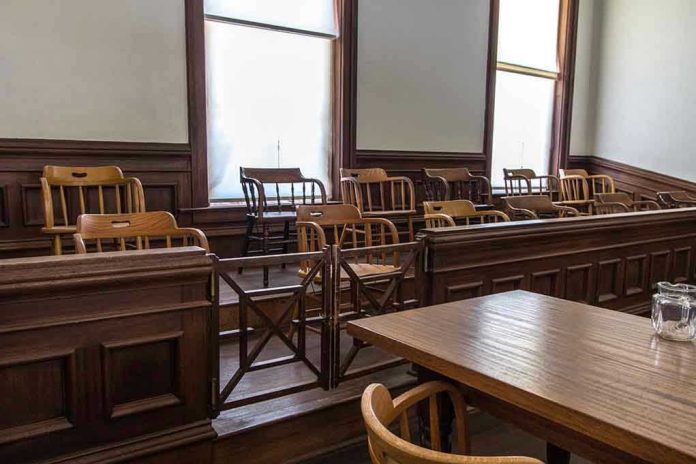
Routh’s federal trial is notable not only for the gravity of the charges but also for his decision to represent himself in court. His courtroom conduct has been erratic and confrontational, including attempts to question Trump directly, requests for strippers, and even suggesting a golf match with Trump as part of the proceedings. These actions have led to repeated clashes with Judge Aileen Cannon, who is presiding over the case and has previously drawn national attention for her role in Trump-related legal matters. The trial is expected to last two to four weeks, with the prosecution presenting evidence of premeditation and intent, drawn from Routh’s communications and actions leading up to the alleged attempt.
Background and Security Implications
Assassination attempts on U.S. presidential candidates are rare but have historically prompted reviews of national security protocols. Routh’s plot was reportedly inspired by a previous, unrelated attempt on Trump’s life and involved acquiring weapons, burner phones, and detailed research into Trump’s movements. Evidence shows that Routh’s perspective on Trump shifted dramatically, from supporter in 2016 to vocal opponent by 2023–2024, as seen in his online activity and a self-published book. The Secret Service’s intervention at the private club, and the subsequent investigation by the FBI and DOJ, highlight ongoing vulnerabilities and the critical importance of candidate protection during contentious election cycles.
Routh’s actions and the broader context have led security experts to emphasize the escalating sophistication of threats against public figures. The Secret Service, federal prosecutors, and local law enforcement have collaborated closely to secure evidence and build the case, demonstrating the high stakes involved. The presence of physical evidence, such as the SKS rifle and digital communications, underscores the seriousness and complexity of the threat faced by Trump and his campaign team.
Legal, Political, and Societal Ramifications
The trial’s outcome holds significant implications for constitutional order, security practices, and public perceptions of political violence. Heightened security for political candidates has become a short-term necessity, while the long-term effects may include changes to legislation or candidate protection protocols. The case has intensified debates over gun rights, mental health, and the role of law enforcement in preventing political violence. For Trump supporters and defenders of constitutional values, this trial is a stark reminder of the dangers leaders face and the importance of safeguarding both individual liberty and national stability.
Legal analysts note the rarity and challenges of self-representation in such serious federal cases. The trial has also spotlighted the influence of judges and prosecutors in high-profile proceedings and the importance of due process—even when the stakes are high. Media coverage and expert commentary have been largely consistent in documenting the facts, but the incident’s proximity to a presidential election ensures ongoing political and social reverberations, especially among conservative Americans who demand accountability and robust protection of their leaders.
Trump Assassination Attempt Trial Gets Off to a Strange Start as Suspect Clashes with Judge.
Routh is defending himself and wanted to ask the potential jurors things like how would they respond to a turtle crossing the road.. 😳
via @WestJournalism https://t.co/kc7iOH5FeY
— ❤️🔥 ₩łⱠĐ ⱧɆ₳Ɽ₮❤️🔥 ₭₳₮łɆ (@WildHeartoO) September 9, 2025
As the trial progresses, the focus remains on the evidence presented, the conduct of the defense and prosecution, and the jury’s ultimate decision. Regardless of the verdict, the attempted assassination plot against Donald Trump serves as a sobering warning about the threats facing American democracy and the need for vigilance against forces that undermine constitutional values and the safety of elected officials.
Sources:
ABC News – Jury selection begins in case of man who allegedly tried to kill Trump
CBS News – Trial begins for Ryan Routh, man accused of Trump assassination attempt
Axios – Man accused of Trump assassination attempt heads to trial
Fox News – Jury pool shrinks as Ryan Routh trial unfolds in Florida