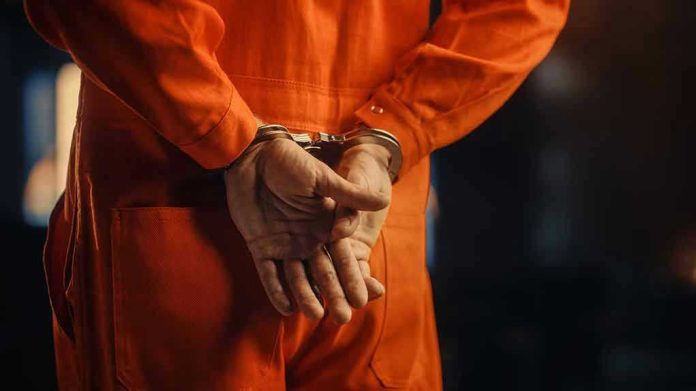
A notorious figure’s deception spirals into serious criminal charges, highlighting flaws in the justice system and shocking the public.
Story Snapshot
- An elderly man known for false crime confessions is charged with child pornography.
- Authorities uncovered the charges following a previous investigation into his false claims.
- The case raises questions about confession reliability and hidden criminal behavior.
- Federal agencies prioritize prosecution of child exploitation, reflecting broader societal concerns.
False Confessions and Criminal Escalation
An elderly man, previously notorious for falsely claiming involvement in a high-profile shooting, is now facing serious charges of child pornography possession and distribution. This individual, whose identity remains undisclosed, gained media attention by inserting himself into a major investigation, only for law enforcement to dismiss his claims. The shift from attention-seeking behavior to federal charges highlights ongoing issues with false confessions and their implications on broader justice processes.
The suspect’s false confession initially drew law enforcement’s attention, only to be disproven after thorough investigation. However, during this inquiry, digital evidence surfaced, leading to the current allegations of child exploitation. This transition underscores the dangers of false claims, potentially overshadowing real threats and diverting resources from them. The charges filed in July 2025 reflect federal authorities’ commitment to tackling digital crimes against children, with the FBI emphasizing the seriousness of such offenses.
Law Enforcement’s Prioritization of Child Exploitation Cases
Federal and local law enforcement agencies, including the FBI, are at the forefront of addressing child exploitation crimes. With increasing digital access, the proliferation of illicit materials has become a critical focus. The case involving the elderly rabble-rouser, now facing federal charges, exemplifies the agencies’ strategic approach in combating these offenses. The prosecution aims to secure a conviction, thereby setting a precedent and deterring similar crimes. Victims depicted in such materials have their justice and privacy safeguarded through these actions.
Prosecutors are meticulously building a case against the accused, with the investigation ongoing. Digital devices are being scrutinized for further evidence, potentially leading to additional charges. The case has prompted significant media interest, reflecting public concern over the reliability of confessions and potential hidden criminality among public figures. Law enforcement’s proactive stance underscores the importance of upholding public safety and the integrity of the justice system.
Implications and Public Reaction
The charges against the elderly rabble-rouser have triggered widespread public reaction, with immediate legal repercussions for the accused. If convicted, a lengthy incarceration period may follow, affecting both the individual and any associated entities. The local community faces a sense of betrayal, grappling with the dual impact of false confessions and the grim reality of child exploitation.
Economically, the costs of investigation and prosecution weigh on public resources. Socially, the case erodes trust in public figures and institutions, prompting calls for stricter laws and oversight. Politically, it may influence policy makers to reinforce digital crime laws and regulations. The broader implication is heightened scrutiny on individuals seeking notoriety through false confessions, emphasizing the need for vigilance in protecting vulnerable populations.
Sources:
FBI – Violent Crimes Against Children News