The shooting of Renee Nicole Good by an ICE officer in Minneapolis has ignited nationwide protests and questions about federal immigration enforcement.
Story Snapshot
- Fatal shooting of Renee Nicole Good by ICE officer sparks protests.
- Disputed narratives of self-defense vs. excessive force.
- Protests escalate into nationwide “ICE Out For Good” actions.
- Symbolic weight due to proximity to George Floyd memorial site.
Escalating Protests in Minneapolis
On January 7, 2026, Renee Nicole Good was fatally shot by ICE officer Jonathan Ross during an immigration operation in Minneapolis, sparking a wave of protests. Federal officials claim the shooting was self-defense, alleging Good attempted to run over agents with her vehicle. Local officials and community members dispute this narrative, calling for an independent investigation and fueling public anger. The incident occurred amid a massive ICE operation in Minnesota, described as the largest in the agency’s history.
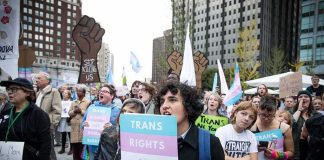
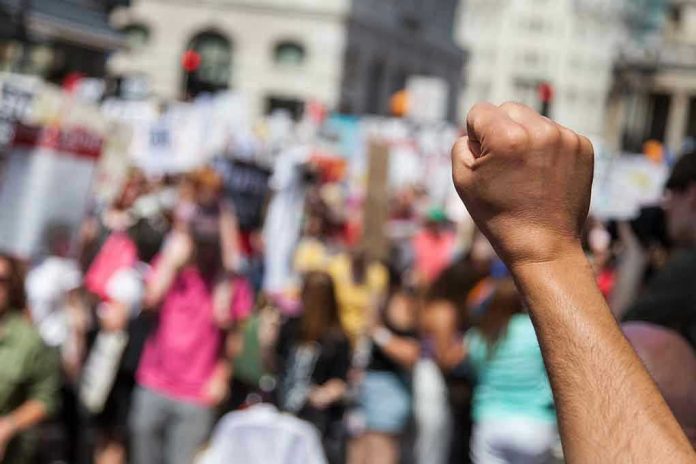
Protests began the day after the shooting, escalating in downtown Minneapolis. Protesters clashed with police, leading to property damage attempts and mass detentions. The city declared an unlawful assembly as tensions rose. The unrest in Minneapolis became a catalyst for a broader “ICE Out For Good” weekend of action, with over 1,000 protests and vigils organized across the nation. The protests demand accountability for Good’s killing and call for an end to ICE’s presence in local communities.
Nationwide Wave of Action
The shooting of Renee Nicole Good quickly gained national attention, leading to coordinated protests across the United States. The “ICE Out For Good” weekend was characterized by nonviolent, community-led actions. Cities like Philadelphia and multiple municipalities in North Carolina held solidarity protests, explicitly referencing Good’s death. The protests highlight broader criticisms of ICE and federal crackdowns, emphasizing the need for immigration policy reform and community protection from federal overreach.
Minneapolis, already associated with police violence and racial justice protests due to its proximity to the George Floyd memorial site, became a focal point for resistance against federal immigration enforcement. The events further intensified the conflict between federal immigration authorities and local officials, with tensions over congressional oversight and investigative jurisdiction coming to the forefront.
Political and Civil Liberties Clash
The protests sparked a political and civil liberties debate over federal immigration enforcement and protest rights. The use of chemical agents and militarized tactics against protesters raised concerns about the balance between maintaining order and respecting civil liberties. The contested narratives of the incident, with federal authorities framing it as a self-defense act against a “domestic terrorist,” contrast sharply with local perspectives viewing it as federal overreach and excessive force.
The incident underscores the friction between local and federal authorities, with Minneapolis having a history of limited cooperation with ICE. The denial of access to congressional representatives attempting an oversight visit to the regional ICE HQ further escalated tensions, highlighting the struggle for transparency and accountability. As protests continue, the call for a reevaluation of federal immigration policies and community protection remains strong.