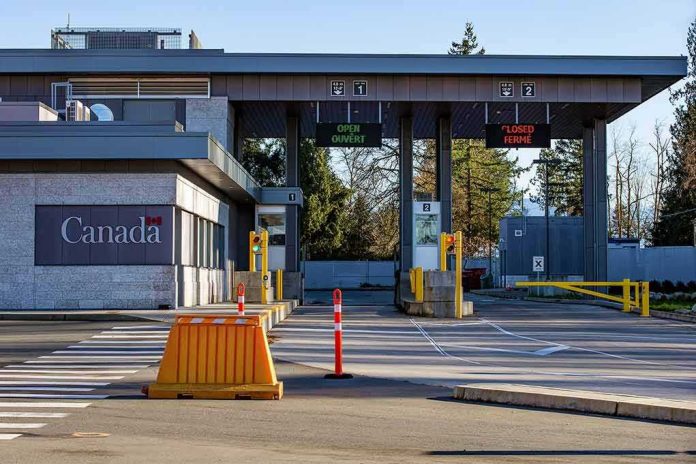
Canada moved to slap tariffs up to 50% on about $20 billion in U.S. goods, escalating a North American trade fight that could raise prices for families on both sides of the border.
Story Snapshot
- Canada announced steep counter-tariffs after Washington expanded high duties on Canadian metals and other goods.
- U.S. measures include 50% tariffs on steel, aluminum, and copper under national security powers, plus separate auto-related duties.
- Canada says the U.S. broke the spirit of the North American pact and vows dollar-for-dollar retaliation.
- Trade data show big tariffs are in place, but the overall U.S. trade gap remains large.
What Washington Did and Why It Matters
Congressional researchers report the United States raised tariffs on Canadian steel, aluminum, and copper to 50% using national security authority known as Section 232. They also note separate tariffs on passenger vehicles and parts, with some exemptions tied to the regional trade pact. These steps mark a sharp break from decades of low-tariff trade. They signal a push to shield U.S. industry and to reduce reliance on foreign supply chains, even when the supplier is a close ally.
The tariff moves come as the United States still runs a large monthly trade deficit. Scotiabank reported that in March 2026, the U.S. deficit was about $60 billion, even as exports and imports both rose. That trend supports claims from U.S. officials that trade imbalances persist. But it does not prove the tariffs fix the gap in the short run. The data show pressure points, not a quick cure for the broader deficit.
How Canada Is Responding
Prime Minister Mark Carney said the U.S. actions threaten shared prosperity and violate the spirit of the regional trade pact for key sectors like autos. He pledged a dollar-for-dollar response to defend Canadian workers and businesses. Ottawa framed its counter-tariffs as matched and targeted, hitting areas such as steel, dairy, appliances, farm equipment, pulp and paper, and electronics. Canada’s finance officials argued the U.S. tariffs are unjustified and will raise costs for families in both countries.
Canada’s statements underline a broader warning about cross-border supply chains. Officials said higher U.S. duties would upend production at auto plants and lift prices on goods that rely on Canadian materials. That risk is real because many North American factories share parts and inputs. When one country adds a high tariff, companies often eat the cost, pass it to buyers, or shift sourcing. None of those options is painless for workers or consumers.
What the Numbers Say So Far
The Bank of Canada tracked the average U.S. tariff rate on imports from Canada at 5.1% in late April 2026, down from 5.8% in January. That confirms substantial tariffs were in place across the period, even as rates moved with policy shifts. An Ivey Business School analysis reported the effective tariff rate faced by Canadian exports into the United States climbed toward 10% earlier in the spring, signaling significant friction in the flow of goods.
Despite the pressure, neither side can show clear proof yet that tariffs have revived domestic industries or shrunk the gap between them. The March trade figures show the U.S. deficit remained large. Canadian data showed a wider Canadian surplus with the United States that same month. Those outcomes suggest the fight has real costs but unclear wins, at least in the near term.
Why Both Sides Feel Burned—and What Comes Next
American leaders say decades of trade rules helped offshore jobs, weakened factories, and made the nation too reliant on foreign suppliers. Many voters agree, after years of plant closures, rising prices, and promises that never paid off. Canadian leaders see the United States using security laws to tax close allies and rewrite rules after the fact. That feels like moving the goalposts, with workers getting caught in the middle on both sides.
For ordinary families, the stakes are simple. Tariffs are taxes on imports. Businesses either raise prices, cut jobs, or scramble to find new suppliers. Over time, some plants may come back, but the transition is bumpy and costly. For now, Canada and the United States are signaling toughness more than compromise. Past fights ended with side deals and carve-outs. That path remains open, but only if both governments decide stability helps their people more than brinkmanship.
What to Watch to Judge Results
Watch factory orders, job numbers, and capacity use in U.S. metals and auto supply chains. If these rise without big price spikes for buyers, supporters gain ground. Track grocery, appliance, and car prices where cross-border parts matter most. If prices jump and shortages spread, critics will push for rollbacks. Finally, follow official talks. Any move to widen exemptions or stage rates down would hint that leaders see the pain and want a steadier course.
Sources:
independent.co.uk, en.wikipedia.org, congress.gov, scotiabank.com, finance.yahoo.com, reuters.com, www150.statcan.gc.ca, lenzo.ai, international.canada.ca