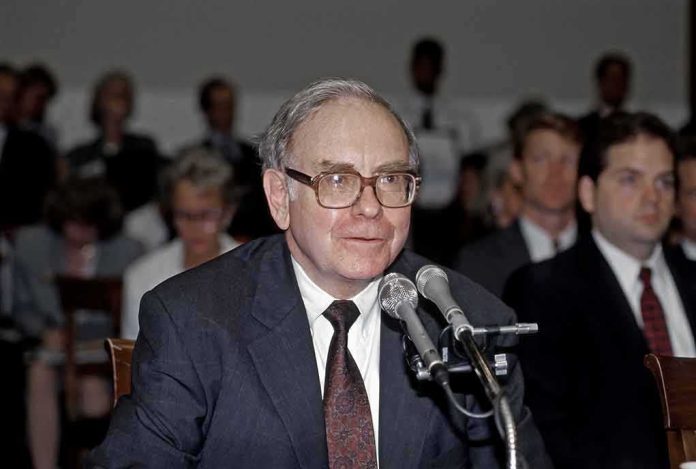
Warren Buffett has stepped down as Berkshire Hathaway’s chairman, handing the gavel to his son and moving into a chairman emeritus role effective immediately.
Story Snapshot
- Buffett becomes chairman emeritus and remains on Berkshire’s board.
- Howard G. Buffett, a director since 1993, is elected chairman.
- The move follows a long-stated succession plan and keeps Greg Abel as chief executive officer.
- The shift aims to preserve stability at a $1 trillion-plus conglomerate built over decades.
What Berkshire Announced Today
Berkshire Hathaway said Warren E. Buffett stepped down as chairman and became chairman emeritus, effective immediately. The company said he will remain a director on the board. The board elected Howard G. Buffett, who has served as a Berkshire director since 1993, as chairman. The company framed the decision as consistent with its long-standing plan for leadership succession and continuity, rather than a sudden change in control or strategy.
News reports echoed the company’s statement and underscored two points: Warren Buffett’s emeritus status keeps him tied to the board, and Howard G. Buffett now chairs it. CNBC reported the transition as immediate and noted that the chief executive officer role remains with Greg Abel, reflecting the split between board leadership and day-to-day management that Berkshire has been building since earlier leadership changes.
How This Fits Berkshire’s Succession Path
This step follows Berkshire’s gradual handoff playbook. Warren Buffett gave up the chief executive officer role at the start of 2026, with Greg Abel taking charge of operations. Keeping Warren Buffett on the board as chairman emeritus signals continuity to long-term owners who value stability and discipline in capital allocation. The company described Howard G. Buffett’s elevation as aligned with plans known to investors for years, reducing the chance of market shock.
Founder-led companies often use “emeritus” titles to honor service and smooth transitions. Berkshire’s release did the same, praising Warren Buffett’s decades of stewardship and affirming his ongoing presence in the boardroom. That message matters because large pension funds, retirees, and everyday savers hold Berkshire shares. Clear plans help protect those investors from the whiplash that can come when a legendary leader exits without a structure in place.
Why The Board Change Matters To Investors
Board chairs set the agenda, run meetings, and guide oversight. Chief executives run the businesses. Berkshire is making that divide plain. Greg Abel continues to lead the operating companies and capital decisions across energy, insurance, railroads, and more. Howard G. Buffett now leads the board that evaluates those decisions. Warren Buffett, as chairman emeritus and director, remains in the conversation while stepping back from the gavel. That can reassure investors who watch Berkshire for calm hands on the wheel.
The top U.S. stories from the past few hours:
🔸 Warren Buffett gave up the chairman title at Berkshire Hathaway as his succession plan advances.
🔸 A bombing at a mosque near police offices in Pakistan killed at least 16 people.
🔸 An F-16 crashed in Michigan after the pilot… pic.twitter.com/xJATZOZwyP
— US News Recap (@USNewsRecap) September 18, 2026
Markets often react to leadership news at giant firms. Berkshire’s move lands after years of signaling and board work, which is designed to limit surprise. The company’s communication highlights steady governance and succession, not drama. For many readers, this feels like how institutions should work: define roles, plan ahead, and protect owners’ interests. Berkshire’s message tracks that playbook and leans on its reputation for patience and clear thinking in choppy times.
A Shared Concern: Stability Over Spectacle
Americans across the spectrum worry that powerful institutions serve insiders first. Berkshire’s transition will still face that lens because the new chairman is Warren Buffett’s son. But the company and major outlets stress that Howard G. Buffett has sat on the board for over three decades, which suggests continuity more than a sudden family handoff. The chief executive officer remains the non-family leader, Greg Abel, which keeps operating control outside the Buffett family chair.
This approach speaks to a bigger point: trust is earned when leaders show their work. Berkshire laid out a plan, followed it step by step, and kept the founder in an advisory role without creating confusion over who runs the businesses. That kind of clear line can help both small investors and large funds who hate policy swings and surprise bets. In a time when many feel the system favors a few, formal rules and steady process can still protect the many.
What To Watch Next
Investors will watch three things. First, whether Greg Abel keeps the same pace and style on acquisitions and buybacks. Second, how Howard G. Buffett leads the board and engages with shareholders at the annual meeting. Third, the role Warren Buffett plays as chairman emeritus in shaping the discussion. The company’s plan suggests slow and steady change, not a sharp turn, which is often what protects long-term value at firms of Berkshire’s size.