After Ukraine struck the Crimean Bridge, Russia launched a wide overnight assault on Ukrainian cities that Moscow framed as payback.
Story Snapshot
- Ukraine hit the Crimean Bridge, disrupting traffic and damaging sections of the link to occupied Crimea.
- President Vladimir Putin vowed a “more painful” response and rejected talks after the bridge strike.
- Russia then fired missiles and sent drones across Ukraine, striking major cities and infrastructure.
- The sequence fits a familiar cycle of attack, attribution, warning, and escalation in this war.
Bridge Strike That Triggered Moscow’s Warning
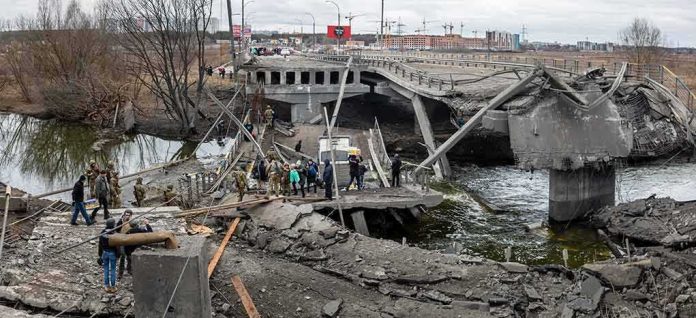
Ukraine’s military said it hit the Crimean Bridge with missiles, damaging key sections and halting traffic. Russian officials acknowledged disruptions and said experts were checking damage. The bridge links Russia to occupied Crimea and helps move troops and supplies, so any hit has military and symbolic weight. News outlets described major damage to parts of the roadway and rail operations. The bridge strike came amid ongoing clashes and prior Russian attacks on Ukrainian infrastructure.
Russian authorities opened a terrorism case and blamed Ukrainian forces for the attack. Coverage emphasized the bridge’s role as a flagship project tied to President Vladimir Putin’s control of Crimea. That made the strike more than a battlefield event; it was a blow to a political symbol. The action also affected logistics and travel across the strait. Officials reported temporary suspensions and reroutes while teams assessed the structure and safety conditions at the site.
Kremlin Vows Retaliation, Then Launches Broad Strikes
After the bridge attack, President Vladimir Putin publicly vowed retaliation and said it would be “more painful” than what Ukraine had done. He dismissed the idea of talks and signaled a tougher campaign against targets tied to Ukraine’s war effort. Soon after, Russia launched an overnight wave of missiles and drones against multiple cities, including Kyiv, Kharkiv, Dnipro, and Zaporizhzhia. Reports described widespread strikes that stressed air defenses and hit power and transport sites.
Analysts and reporters noted the timing lined up with a pattern seen many times in the war. A strike on a high-value target is followed by public warnings from leaders, then a larger assault meant to punish and deter. The Russian operation spanned many regions and aimed at infrastructure that supports Ukraine’s defense and daily life. While officials on each side disputed motives, the basic sequence—attack, warning, and escalation—was clear in the public record.
What the Escalation Means for Civilians and the Winter Fight
Russian strikes against energy and transport nodes put civilians at risk as winter sets in. Damage to power grids, heat, and water can harm families, close schools, and slow hospitals. Ukraine’s leaders have urged allies for more air defense systems and spare parts to keep lights and heat on. Russia’s message is that costs will rise for any attacks on its prized assets, like the Crimean Bridge. The back-and-forth raises the odds of longer outages and tougher months ahead.
Rise and shine, patriots. Here's what broke while you were sleeping:
🇺🇦 UKRAINE: Russia launched a major overnight missile and drone attack that killed at least eight people and hit three bridges in Kyiv, per BBC. Zelensky called it "one of the most massive strikes" of the war… pic.twitter.com/BjGAq27ef4
— 🇺🇸 MAGARon 🇺🇸 🫡:) 👀 🍿 🇺🇸 (@RonXilla) November 20, 2026
For Americans watching from afar, the lesson is familiar. Major powers answer force with force, and civilians often pay first and most. Leaders on both sides speak to their home crowds and harden their lines. That feeds a cycle where warnings become strikes, and strikes bring new warnings. The bridge blast and the overnight barrage fit that script. The federal government will face fresh calls to explain aid levels, oversee spending, and help prevent a deeper spiral that could shake global prices and security.
Sources:
dw.com, france24.com, english.nv.ua, bbc.com, osw.waw.pl, nordexium.substack.com, russiamatters.org, bbc.co.uk, rand.org