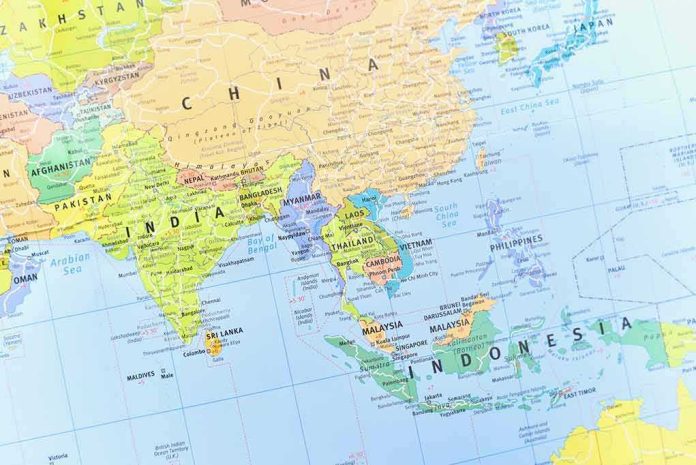
Thailand agreed to eliminate tariffs on about 99 percent of goods under a new U.S.-Thailand reciprocal-trade framework, marking a clear win for American exporters.
Story Highlights
- U.S. and Thailand issued a reciprocal-trade framework on October 26, 2025.
- Thailand committed to end tariffs on roughly 99 percent of goods, aiding U.S. farm and factory exports.
- The United States kept a 19 percent reciprocal tariff, with some products eligible for zero rates.
- The framework targets non-tariff barriers and modern sectors like data flows and digital services.
Trump Administration Secures a Market-Opening Framework
United States and Thailand officials issued a framework for an Agreement on Reciprocal Trade on October 26, 2025, under President Trump’s direction, creating a path to faster market access for U.S. goods. The United States Trade Representative described the framework as a tool to expand sales of American farm, energy, and industrial products. Officials tied it to the existing 2002 Trade and Investment Framework Agreement, which provides a standing channel to solve trade problems and speed follow-through.
Thailand pledged to eliminate tariffs on about 99 percent of goods, covering a wide range of U.S. exports from machinery to beef and grains. That change would make American products more competitive against Chinese and European suppliers. Lower Thai tariffs mean more room for U.S. small businesses and farmers to sell into Southeast Asia. The announcement came as part of a shift toward targeted, reciprocal deals that trade tariff cuts for specific access wins, rather than large, slow free-trade pacts.
Reciprocity, Tariff Structure, and What It Means at Home
The United States kept a 19 percent reciprocal tariff on Thai imports, with a list of products that could fall to zero percent rates, according to the official summary. That approach aims to keep leverage while Thailand opens its market to U.S. goods. For workers and producers at home, this means more export chances without flooding our shelves with unchecked imports. For families, more sales abroad can support steady jobs in farming, food processing, equipment, and energy supply chains.
The framework also targets non-tariff barriers that often block U.S. goods even when tariffs are low. Officials cited fixes for rules that slow farm shipments, restrict vehicles and medical devices, and complicate approvals for food, ethanol, and pharmaceuticals. Cutting these hidden hurdles matters to truck makers, ranchers, and grain exporters in the heartland. When red tape falls, costs drop, shipments move faster, and contracts get signed. That is how trade supports towns far from the coasts.
Digital Trade, Services, and Investment Protections
Negotiators included modern digital and services items that affect everyday business operations. The framework flags cross-border data transfers, no duties on electronic transmissions, fair rules for payment processing, and limits on film screen quotas. It also points to easing foreign-ownership limits in Thai telecom. These items help U.S. cloud providers, app makers, studios, and banks reach customers without gatekeeper taxes or biased rules. Clear digital lanes let U.S. entrepreneurs sell and get paid quickly and safely.
The agreement framework relies on the 2002 Trade and Investment Framework Agreement to handle technical follow-up and settle disputes as details get written. That standing forum helps push regulators on both sides to publish rules, define product lists, and train customs officers. Rapid implementation matters. When agencies post final schedules and procedures, buyers and sellers can plan shipments, set prices, and hire. The structure is there to make this real in the field, not just on paper.
Timeline, Next Steps, and a Plain Caveat
Officials described this as a framework with negotiations set to finalize the Agreement on Reciprocal Trade after the announcement, which means some product lists and dates follow in later notices. The United States Trade Representative’s annual report confirms the framework and its focus areas, including tariffs and non-tariff barriers. The Thailand country page at the United States Trade Representative underscores the ongoing use of the 2002 mechanism to resolve issues and advance market access.
TRUMP JUST CLOSED CHINA’S AI BACK DOOR
While Washington and Beijing negotiate a trade truce, Trump is making a move that could change who controls the world’s most powerful technology. https://t.co/s6YmlFpDlq
— KC (@KCCoyle) November 17, 2026
For conservative readers, the bottom line is simple: this is a results-first deal. Thailand opens its market wide to American goods. The United States keeps a firm tariff tool and uses it to win targeted zero rates. The plan aims to cut red tape that blocks our farmers and builders. The Trump administration set the terms to favor U.S. jobs, growth, and national strength, while keeping the leverage needed to enforce fair play in a tough global market.