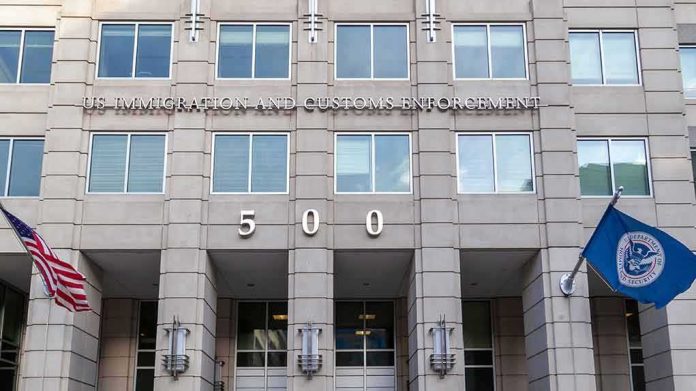
Days after a public $1 million lottery win, federal officers arrested the East Boston claimant on an old deportation order.
Story Snapshot
- Massachusetts Lottery named an East Boston winner; he chose a lump-sum payout.
- Immigration and Customs Enforcement arrested him in East Boston six days later.
- Unnamed agency sources said a 2014 final removal order drove the arrest.
- No official field office statement or case documents have been released so far.
What Happened and When
The Massachusetts State Lottery announced on November 18, 2026, that Ariel Velasquez of East Boston won $1 million on a scratch-ticket game. Local coverage said he took a $650,000 lump sum before taxes. The Lottery posted a photo of the winner holding the large check a few days later. On November 24, Immigration and Customs Enforcement officers arrested a man identified in reports as Velasquez-Morales in East Boston after a short foot chase, according to multiple accounts that cite agency sources.
Fox News reported that three Immigration and Customs Enforcement sources said the man had a final order of removal issued in April 2014. Reporters said officers moved in early that Tuesday, the man ran, and officers caught him quickly. One outlet said several officers’ body cameras recorded the arrest, citing unnamed sources. The reports did not name an arresting officer or include the case file number. The agencies involved have not posted a specific public release on the arrest.
How the Lottery Post Factored Into the Timeline
Patch, a local outlet, identified the East Boston winner by name and shared that he planned to help his family. That coverage matched the Lottery’s public announcement, which included a photo and the game details. Commentators later suggested that the Lottery’s publicity, plus the listed store location, could have made it easier for officers to find him. The reports do not include a warrant affidavit or logs that confirm how officers located him, beyond citing agency sources after the fact.
The Lottery publicity created a clean timeline: claim on November 18, social media and local news days later, and the arrest on November 24. That order of events is a key reason the story spread. It linked a feel-good windfall to a high-stakes immigration action. Nothing in the available reports shows that the prize money changed the legal basis for the arrest or that the government seized the funds as part of the operation. Coverage focused on the claimant’s status and the old order.
What a Final Removal Order Means
A final removal order is a formal direction to leave the country. Federal data show that Immigration and Customs Enforcement tracks a very large number of people with final orders on its non-detained docket nationwide. The Department of Homeland Security states that enforcement priorities focus on public safety and national security, but the agency also conducts arrests based on immigration status and final orders. That means arrests can include people with no recent criminal convictions, depending on policy and field decisions.
Under President Trump’s second term, the Department of Homeland Security has highlighted record arrests and removals. The department has also promoted high-profile cases that involve serious crimes. This case is different in tone. The public hook is the lottery win, not a new criminal charge. That contrast raises a policy question many Americans ask from both the right and the left: who gets targeted, and why now? Agency data posts and press materials give broad priorities, but they often do not explain the choice in a single case.
Why This Case Taps Shared Frustrations
People who want stronger border and interior enforcement see a win: an arrest based on a final order and quick action after a public sighting. People who worry about fairness see gaps: reports rely on unnamed sources, no public case file is posted, and the Lottery photo appears to have put a target on someone’s back. Both sides share a core complaint: the system’s rules feel inconsistent, and agencies appear to explain only what helps their message at the moment.
BREAKING: Per three ICE sources, early this morning, ICE's Boston office arrested last week's $1 million winner of the Massachusetts State Lottery, a man who I'm told is a Salvadoran illegal alien and wanted ICE fugitive who has had an outstanding final deportation order since… pic.twitter.com/Ixw3eBNGoL
— Bill Melugin (@BillMelugin_) November 24, 2026
Americans also resent that government actions often seem driven by public relations rather than clear standards. This story blends state-run publicity with federal enforcement choices. It shows how a moment of public celebration can flip into a legal crisis. That back-and-forth feeds the sense that powerful institutions set the terms while everyday people, lawful or not, get surprised by the fallout. Clear, on-record information from the field office would help the public judge the action on the facts, not the buzz.
Sources:
us.headtopics.com, pjmedia.com, noticias.foxnews.com, govinfo.gov, krgv.com, dhs.gov, ilac.illinois.gov