Attorney General Pam Bondi overruled a magistrate judge to arrest former CNN anchor Don Lemon and three others in what critics call an unprecedented assault on press freedom, transforming a church protest into a potential turning point for First Amendment protections under the Trump administration.
Story Snapshot
- Don Lemon arrested in Los Angeles while covering Grammy Awards, charged over January 18 protest at Minnesota church targeted because pastor serves as ICE field director
- Attorney General Bondi personally ordered arrests after becoming “enraged” when magistrate judge rejected initial charges against journalists
- Four arrested including two journalists; Georgia Fort says she’s detained simply for filming protest as member of the press
- Lemon’s attorney calls prosecution “unprecedented attack on First Amendment” as Trump Justice Department pursues journalists while ignoring agents who killed peaceful protesters
Bondi Overrides Judge to Target Journalists
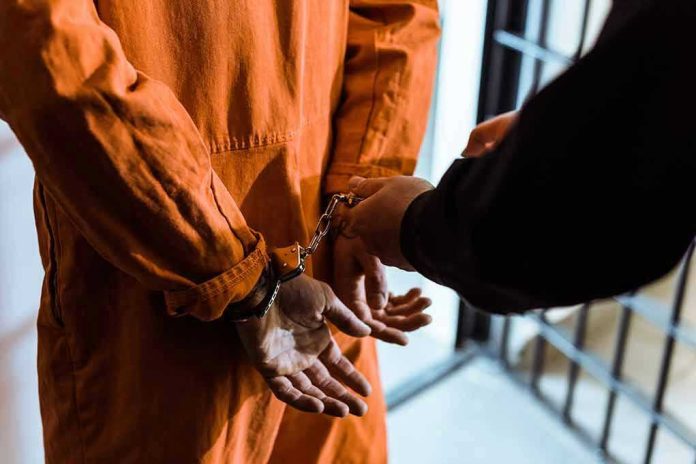
Attorney General Pam Bondi announced Friday morning the arrests of Don Lemon, Trahern Jeen Crews, Georgia Fort, and Jamael Lydell Lundy in connection with a January 18 anti-ICE protest at Cities Church in St. Paul, Minnesota. The arrest came only after Bondi personally intervened when a magistrate judge rejected initial charges against Lemon. Federal agents arrested the 30-year journalism veteran Thursday night in Los Angeles while he was on assignment covering the Grammy Awards. Bondi declared on social media: “WE DO NOT TOLERATE ATTACKS ON PLACES OF WORSHIP,” characterizing the incident as a “coordinated attack” on the church, which protesters targeted because one pastor serves as acting field director of the St. Paul ICE field office.
Journalists Charged for Documenting Protest Activity
Federal prosecutors charged Lemon with conspiracy to deprive someone of their rights and interfering with someone’s First Amendment right, invoking the Freedom of Access to Clinic Entrances Act, which extends protections to houses of worship. Two of the four arrested individuals are journalists. Independent journalist Georgia Fort posted on Facebook that she merely filmed the church protest as a member of the press, questioning how constitutional rights exist when journalists face arrest for documentation work. Criminal charges against journalists for their reporting activities are extraordinarily rare, with prosecutors typically not charging reporters or photographers present at demonstrations. This case represents what analysts call “the biggest First Amendment showdown of President Donald Trump’s presidency,” raising fundamental questions about press freedom protections.
Defense Highlights Prosecutorial Overreach Pattern
Attorney Abbe Lowell, representing Lemon, characterized the arrest as an “unprecedented attack on the First Amendment” and pledged vigorous court defense. Lowell noted Lemon’s three-decade journalism career demonstrates his Minnesota work was “no different than what he has always done.” In video footage from the protest, Lemon stated: “I’m just here photographing, I’m not part of the group I’m a journalist.” Lowell sharply criticized the Trump Justice Department for pursuing journalists while failing to investigate federal agents who killed two peaceful Minnesota protesters. The defense argues the First Amendment exists specifically to protect journalists whose role involves shining light on truth and holding powerful officials accountable. President Trump previously criticized Lemon regarding the church incident, calling him a “loser” and “lightweight,” raising concerns about politically motivated prosecution.
More Details on Lemon Arrest As Bondi Confirms – Three Others Arrested As Wellhttps://t.co/SFIqdYQCi7
— RedState (@RedState) January 30, 2026
Deputy Attorney General Todd Blanche scheduled a rare press conference to discuss the case, signaling the administration views this prosecution as significant. The government maintains that protesters violated congregants’ civil rights by disrupting a worship service at a private place of worship, arguing the First Amendment does not protect what officials call “pseudo journalism of disrupting a prayer service.” At least three additional people were previously arrested in connection with the protest, including a prominent civil rights attorney. The case creates troubling precedent for how government can prosecute individuals engaged in First Amendment activities, threatening both press freedom and the right to protest government policies.
Constitutional Protections Face Critical Test
This prosecution threatens core constitutional principles that conservatives have long defended against government overreach. While protecting places of worship from genuine disruption serves legitimate purposes, criminalizing journalism crosses a dangerous line. The magistrate judge’s initial rejection of charges suggests judicial skepticism about the government’s case, making the Attorney General’s personal intervention to override that decision particularly concerning. When executive branch officials override judicial independence to target journalists covering government activities, they establish precedent that future administrations of any political stripe can exploit. The case demands scrutiny not as partisan theater but as a fundamental question: Can government officials prosecute journalists for documenting protests against their own agencies? The answer determines whether press freedom survives as meaningful protection or becomes hollow words subject to prosecutorial discretion.
Sources:
ABC News – Don Lemon arrested in connection with Minnesota protest
Los Angeles Times – Don Lemon arrest in Los Angeles
KATV – Former CNN anchor Don Lemon arrested after anti-ICE protest during Minnesota church service
Politico – Don Lemon arrest over Minnesota protest
ABC30 – Journalist Don Lemon arrested after protest disrupted Minnesota church service