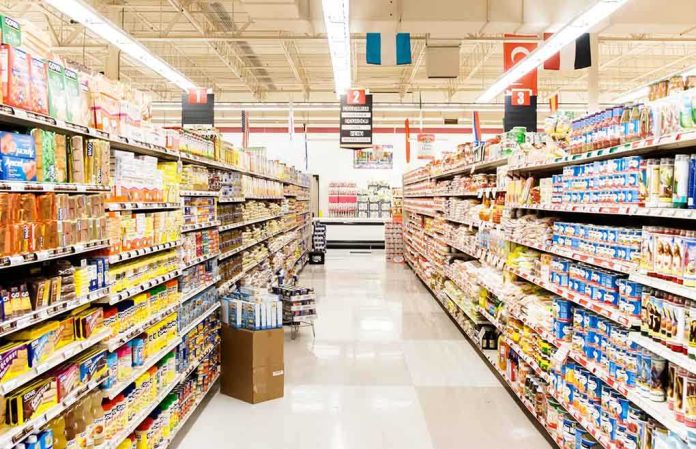
Food banks across America are drowning in donated candy and expired canned goods while desperately lacking the nutritious staples that struggling families actually need to feed their children.
Story Snapshot
- Two-thirds of food banks report increased demand while receiving donations that don’t meet client needs
- Food parcels consistently fail nutritional guidelines due to excess processed foods and lack of protein
- Eight specific item categories could transform food bank operations and family health outcomes
- Current donation patterns force families to choose between nutrition and basic survival needs
The Donation Crisis Hidden in Plain Sight
Food banks nationwide face a troubling paradox that threatens American families’ health and dignity. While generous donors fill warehouses with holiday treats and pantry cleanouts, families walk away with nutritionally bankrupt parcels heavy on sugar and sodium but light on protein and fresh produce. Feeding America reports nearly two-thirds of food banks experience increased demand, yet systematic studies reveal food parcels consistently fail to meet basic dietary guidelines for vulnerable populations.
Eight Critical Items Food Banks Actually Need
Food bank professionals identify specific donation categories that address chronic inventory gaps and nutritional deficiencies. High-protein shelf-stable foods like canned tuna, chicken, beans, and peanut butter top every list because protein remains expensive and under-supplied in typical food parcels. Whole grains including brown rice, oats, and quinoa provide sustained nutrition compared to refined white pasta and sugary cereals that dominate current donations.
Canned fruits and vegetables with low sodium content address micronutrient deficiencies while shelf-stable milk and dairy alternatives support children and seniors who struggle to access fresh dairy products. Culturally appropriate staples like masa harina, lentils, and halal items respect client dignity and dietary preferences. Low-sodium prepared foods help families managing diabetes and hypertension, while baby essentials and non-food items like toiletries address critical needs not covered by government assistance programs.
The Health Crisis Behind Food Insecurity
Research documents alarming nutritional inadequacies in food bank parcels that exacerbate health problems among vulnerable populations. Many recipients suffer from diabetes, hypertension, and heart disease, yet receive donations high in sodium, sugar, and refined carbohydrates that worsen these conditions. Food banks piloting diabetes-appropriate programs demonstrate that targeted donations of whole grains, lean proteins, and low-sugar items can support disease management and prevention efforts.
The Los Angeles Regional Food Bank distributed 110 million pounds of food in 2022, equivalent to 88 million meals, but nutritional quality remains inconsistent due to donation patterns favoring processed foods over fresh produce and protein sources. Client-choice pantry models increasingly allow families to select preferred foods, but this requires consistent inventory of culturally relevant staples rather than random surplus items that may sit unused on pantry shelves.
Economic Impact and Family Dignity
Improved donation strategies deliver measurable economic value to struggling families while preserving dignity and cultural identity. Studies estimate food pantry access provides $40-60 value per visit and $600-1,000 annually for typical users, but this value increases significantly when donations align with actual family needs and cooking practices. Targeted giving supports household budgets more effectively than generic surplus items that families cannot or will not use.
Food banks operating with data-driven donation guidance achieve greater operational efficiency by reducing waste from unusable items and streamlining inventory management systems. The Global FoodBanking Network calculates that every dollar invested supports enough food for 14 meals on average, but this efficiency depends heavily on receiving appropriate, shelf-stable items that match client preferences and nutritional needs rather than whatever surplus happens to be available.
Sources:
10 Impact Metrics Every Food Bank Should Track
Los Angeles Regional Food Bank Impact Report
The Global FoodBanking Network – Impact of Your Donation
Food Donation Use Patterns – International Journal of Public Health
Food Bank Social Impact Solutions
Nutritional Quality of Food Bank Parcels – PMC
Feeding America Survey on Increased Demand
Cornell Study on Food Pantry Economic Value
Alameda County Community Food Bank Research