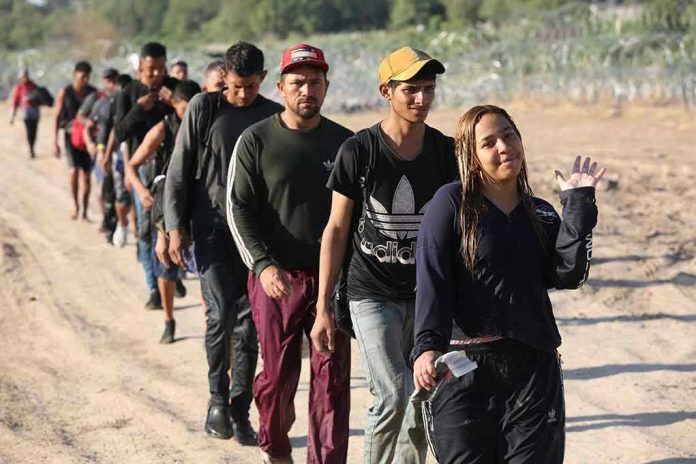
A new migrant caravan linked its hopes to a U.S. election outcome, showing how fast politics turns into movement on the ground.
Story Snapshot
- Reports documented 1,000–2,000 migrants leaving southern Mexico after Democrats’ midterm wins.
- At least one migrant said the result offered “a way for us to get in,” reflecting real expectations.
- Analysts and reporters said U.S. policy would not change overnight and warned of misinformation.
- Mexican forces have broken up caravans, and abuses against asylum seekers were recorded.
What Happened: A Caravan Forms After the Midterm Results
Reuters reported that more than 1,000 migrants left Tapachula, Mexico, and moved north the day after Democrats’ midterm wins in November 2022. A Chiapas state source estimated the group at about 1,500 people, including many families. A named participant, Cesar Sandoval, a 47-year-old from Nicaragua who had been deported months earlier, said the election gave him hope for entry. He described “a light at the end of the tunnel,” putting words to the group’s mood.
Local media later described a separate caravan of about 2,000 people in Tapachula on November 29. Mexico’s National Guard and immigration agents moved to break up that group. The shifting counts show why size estimates can vary in fast-moving scenes. They also show the risk and confusion that follow large treks, where numbers change by the day as people join, leave, or are detained along the route.
Why They Moved: Hopes, Risks, and Mixed Messages
Migrants said they aimed first for Mexico City to seek federal help and protection during travel north. Some hoped to request asylum. Others reported kidnappings and other crimes while moving through Mexico. Human Rights Watch documented abuses against asylum seekers at Mexico’s southern border, including harsh treatment and dangerous conditions. That record helps explain why people choose caravans for safety and visibility when they face checkpoints and threats along the way.
Journalists and experts cautioned that election results do not flip U.S. border policy overnight. A Deutsche Welle interview noted that the new Congress would not take office until January. It said social media spread false claims that policy would change right away, pulling people into risky travel based on bad information. Reuters echoed that analysts saw quick shifts as unlikely, even if hope surged after the vote.
How Organization Works: Loose Networks, Not a Master Plan
Field reporting described caravans as loosely organized through social media and word of mouth. A Fox News reporter said prior groups had some support from a Guatemalan church but called the current wave more “haphazard,” with people rushing to join for safety in numbers. Academic work backs that picture: online channels spread routes and dates fast, letting families move together without a single leader or central command.
Trump Warns Mexico as Migrant Caravan Moves Toward US Border Following Democrat Midterm Gains: 'There will be no leniency!' https://t.co/7wtVXnuj4D #gatewaypundit via @gatewaypundit
— Red Snapper (@RRdunnlaw) November 12, 2026
This loose model creates a policy gray zone. Governments try to control large flows. Migrants try to avoid crime and detention. Media coverage turns each march into a symbol—of hope to some, and of system failure to others. Both left and right share a concern here: big, visible caravans mean the system is not built for safe, orderly, and timely decisions. That gap fuels fear, politics, and more movement, instead of steady solutions.
What It Means for Americans: The System Signals Weakness
The facts point to a stubborn cycle. Elections spark expectations. Misinformation spreads faster than official guidance. People on the move face crime, detention, and split-second choices. Mexico sometimes breaks up caravans. The United States then meets a surge at the line without a clear, fast way to sort claims. Voters see chaos. Many believe elites in both parties talk tough, protect their jobs, and leave border communities and migrants to bear the cost.
What to Watch Next: Policy, Messaging, and Measurable Results
Three tests matter now. First, do U.S. and Mexican officials issue plain, rapid messages that match actual policy, so rumors do not rule the road? Second, do both countries speed up case reviews and safe returns where required, while honoring legal asylum rights? Third, do results show up in fewer dangerous group treks and less crime along the route? Without visible progress, more caravans will form on hope—and collide with hard reality.
Sources:
youtube.com, riotimesonline.com, borderreport.com, economictimes.com, link.springer.com, academic.oup.com