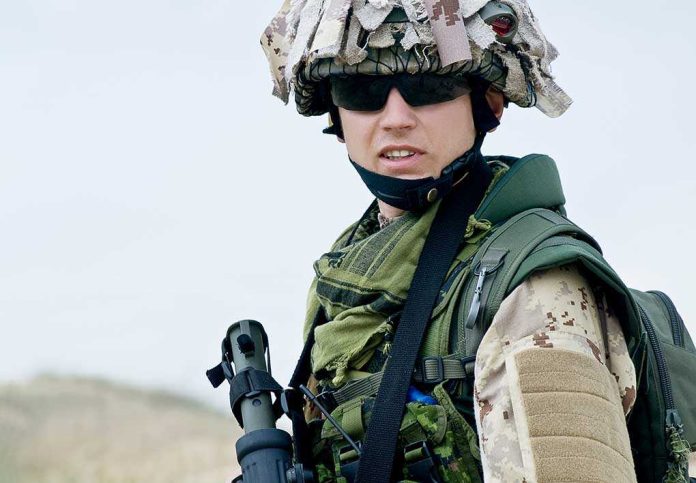
A father of four in uniform quietly turned his followers’ curiosity about military life into a serious side business—without leaving active duty.
Story Snapshot
- How one sergeant first class built a real revenue stream from “What’s it really like?” questions.
- Why his story exposes how much everyday Americans still do not understand about military life.
- What active-duty troops and veterans can copy without risking their careers or their families’ stability.
- Where discipline, storytelling, and conservative common sense intersect in the creator economy.
From barracks questions to a business that pays real bills
Johnny Vargas did not start out trying to build a brand; he started by answering the same questions every curious civilian asked when they found out he wore the uniform. What do you really do all day? How does your family handle deployments? Do you regret signing up? He turned those repetitive conversations into short, honest videos, then into a system. The system—not luck—slowly became a side business substantial enough to matter.
Why people cannot stop watching the ordinary details of military life
Curiosity about military culture drives his audience more than politics or pyrotechnics. Viewers who never served lean in when a seasoned noncommissioned officer breaks down housing frustrations, field training realities, or how pay and promotions actually work. They see a working dad, not a recruiting poster. That mix of authority and relatability keeps views climbing and proves that so-called “boring” daily life, explained clearly and candidly, can outperform shock content.
Turning values from the Army manual into creator-economy advantages
Vargas leans into traits the Army drills into every NCO: discipline, consistency, and accountability. Those same traits quietly give him an edge over civilian creators who treat content like a mood, not a mission. He batches filming between field exercises, writes outlines on flights, and posts on a schedule, not when inspiration strikes. That work ethic aligns with conservative respect for personal responsibility: nobody hands you an audience, and nobody owes you a dollar from it.
Walking the fine line between free speech and the UCMJ
Active-duty status brings real constraints. Vargas must navigate regulations about political content, operational security, and the use of his uniform. He stays out of partisan food fights, keeps classified details off-camera, and focuses on personal experience instead of policy rants. That choice protects his career and his credibility. The subtext for other service members is clear: you can speak honestly about your life while still respecting the oath you took and the institution you serve.
What other military members and veterans can realistically copy
Vargas insists that if he can do this with four kids and a demanding billet, others can, too, provided they approach it like adults, not influencers chasing fame. The playbook is straightforward: pick one or two topics you live every day, answer the questions people already ask you, tell the unglamorous truth, and learn basic business skills—contracts, taxes, and boundaries. That approach reflects common-sense conservatism: build something steady, honest, and useful instead of chasing viral jackpots.
How a side business changes a military family’s options
Additional income from social media does more than pay for gear or vacations. For a family facing PCS moves, uncertain promotion boards, and the looming transition to civilian life, a portable online business becomes a form of insurance. A growing audience travels with you from duty station to duty station and continues after retirement. That reality challenges the old assumption that military families must simply absorb financial instability as the cost of service.
Why this story matters beyond one sergeant and one channel
Vargas’s path reflects a broader shift: more Americans now trust individuals with skin in the game over institutions with PR budgets. A calm, seasoned voice from inside the ranks can correct misconceptions, strengthen civilian-military understanding, and remind people that the armed forces are made up of families, not faceless bureaucracy. For readers who value duty, family, and economic self-reliance, his story offers a blueprint—not for overnight success, but for durable opportunity built the old-fashioned way.