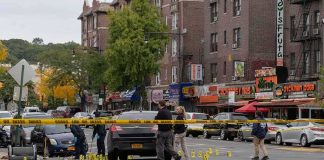
New Yorkers are being jolted awake at 5 a.m. by blaring Islamic calls to prayer echoing through Manhattan and Brooklyn streets, fueling fears of cultural erosion under alleged socialist mayor Zohran Mamdani’s watch.
Story Snapshot
- Viral videos from February 15-16, 2026, capture adhan broadcasts waking residents, sparking outrage over noise and “infiltration.”
- Claims target Ugandan-born Muslim socialist Zohran Mamdani as NYC mayor enabling daily dawn calls, contrasting limited prior permissions.
- Social media influencers like Eric Daugherty amplify complaints, framing it as a threat to American values post-9/11.
- Rooted in 2023 Eric Adams policy for Friday and Ramadan broadcasts, but unverified expansions raise noise vs. religious freedom debates.
Viral Videos Ignite Complaints
On February 15, 2026, a Manhattan resident captured video of the adhan blasting through streets at dawn, stating, “I never thought in my life I’d hear this in the middle of New York.” Brooklyn clips followed on February 16, showing 5 a.m. wake-ups from loudspeakers. Influencers Eric Daugherty of Right Line News and Dr. Maalouf shared footage, declaring many New Yorkers furious. This surge contrasts with controlled permissions, highlighting resident frustrations in dense neighborhoods.
Historical Permissions vs. Current Claims
Mayor Eric Adams established guidelines in 2023 allowing mosques to broadcast the adhan during Friday prayers from 12:30-1:30 p.m. and Ramadan iftar without special permits. This cut red tape, emphasizing mosques’ role in community safety and multiculturalism amid NYC’s over 1 million Muslims. Pre-2026 reports show no routine citywide 5 a.m. broadcasts; permissions remained time-bound to respect noise ordinances. The adhan calls faithful to five daily prayers, with Fajr at dawn around 5 a.m.
Unverified Leadership Shift Sparks Alarm
Viral narratives pin daily expansions on Zohran Mamdani, described as Ugandan-born Muslim socialist and current NYC mayor. Charisma News portrays this as spiritual “principalities” takeover, linking to post-9/11 unrepentance and cultural loss. No verified statements from Mamdani or city officials confirm policy changes. Social media from RAIR Foundation and others frame it as unwelcome infiltration, rallying conservative pushback against perceived overreach.
Stakeholders and Power Dynamics
Eric Daugherty posts highlight “infiltration” under Mamdani, while Dr. Maalouf and VividProwess share Brooklyn videos to rally opposition. Muslim associations push religious freedoms from Adams-era meetings, viewing broadcasts as practice rights. Residents represent grassroots complaints against noise disrupting sleep. City Hall controls noise ordinances; influencers shape outrage narrative without direct Mamdani evidence. Mosques gain policy support, testing urban balances.
New Yorkers Wake to the Islamic Call to Prayer https://t.co/n2yqSjdpmZ The cojones on these people.
— The Queen's wedding shudder. (@Msblowana) February 17, 2026
Impacts and Broader Tensions
Short-term, complaints heighten tensions, potentially prompting ordinance reviews in Manhattan and Brooklyn. Long-term, polarization on multiculturalism could influence religious policies nationwide, echoing Minneapolis backlashes. Social fallout fuels anti-Islamic sentiment; politically, it amplifies immigration and religion debates. Videos confirm adhan but not policy breaches, debating noise pollution against First Amendment claims in diverse NYC.
Sources:
Islamic Call to Prayer Echoes Across NYC Ahead of Ramadan Under Mamdani’s Leadership
New York allows the loudspeaker call to prayer during Fridays and Ramadan