A historic ICE raid in Georgia incites international tensions and questions about immigration policies.
Story Highlights
- An ICE raid in Georgia detains hundreds of South Korean workers, sparking diplomatic tensions.
- South Korea expresses dissatisfaction over the handling of the situation.
- The raid highlights ongoing debates about immigration policies and their enforcement.
- Discussions surrounding worker rights and legal processes are reignited.
ICE Raid in Georgia: A Diplomatic Tension
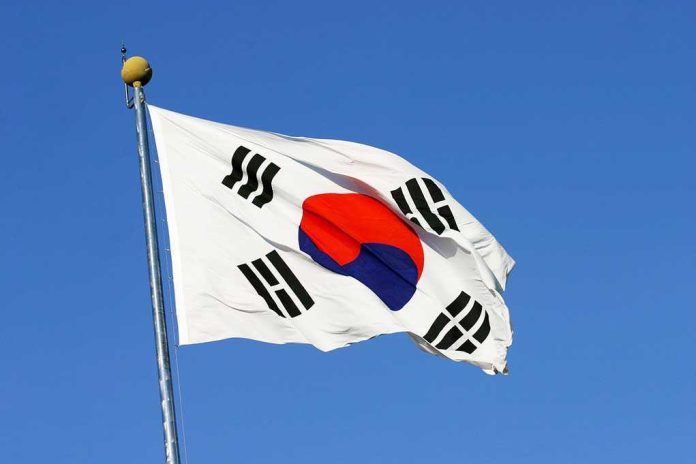
In a significant development, a historic ICE raid in Georgia has led to the detention of hundreds of South Korean workers, creating diplomatic tensions between the United States and South Korea. The raid, conducted at a major manufacturing facility, is part of the broader immigration enforcement efforts by the Trump administration to curb illegal immigration and ensure compliance with labor laws. The incident has sparked a strong reaction from the South Korean government, which has expressed its dissatisfaction with how the matter was handled.
The ICE operation targeted a facility employing a significant number of foreign workers. Authorities have stated that the raid was necessary to address violations related to labor laws and immigration regulations. However, critics argue that the operation overlooked the complexities of the workers’ situations, many of whom may have been unaware of their legal standing. The event has reignited discussions on the balance between strict immigration enforcement and the rights of workers, emphasizing the need for a more nuanced approach.
South Korea’s Response and International Repercussions
South Korea has voiced its concerns regarding the raid, highlighting what it perceives as a lack of communication and transparency in the process. The South Korean President has called for diplomatic dialogues to address the issue, emphasizing the welfare and rights of its citizens abroad. This development underscores the broader implications of immigration policies on international relations, particularly when they affect citizens of allied nations. The situation has also drawn attention to the need for comprehensive immigration reform to avoid similar incidents in the future.
The raid has sparked a broader debate about immigration policies under the Trump administration, with supporters arguing that strict enforcement is necessary to uphold the law and protect American workers. Conversely, critics argue that such actions can lead to diplomatic strains and undermine international cooperation. As the situation unfolds, it remains to be seen how the involved parties will navigate the diplomatic landscape to reach a resolution that respects both national laws and international relations.
Broader Implications for Immigration Policy
The Georgia ICE raid is a stark reminder of the ongoing challenges in crafting immigration policies that balance enforcement with humanitarian considerations. The incident has brought to light issues such as the legal status of foreign workers, employer responsibilities, and the complexities of immigration law. As the U.S. continues to grapple with immigration reform, this event serves as a catalyst for discussions on how to create policies that are both effective and fair.
Video: South Korea ‘not happy’ after historic Georgia ICE raid https://t.co/tPCQgiEELy #LiveTube
— LiveTube Alerts (@livetubealerts) September 8, 2025
Looking ahead, it is crucial for policymakers to consider the broader impacts of immigration enforcement on international relations and community dynamics. The Georgia raid highlights the interconnectedness of domestic policies and global diplomacy, reinforcing the need for strategies that uphold national interests while fostering positive international relations. As discussions continue, stakeholders must work collaboratively to ensure that immigration policies reflect the values of justice and equality.