While Dolton, Illinois grapples with crumbling roads and crime, local officials just handed your tax dollars to buy the childhood home of Pope Leo XIV—because apparently, the answer to America’s urban problems is pilgrim tourism, not pothole repair.
At a Glance
- Dolton’s village board unanimously voted to purchase Pope Leo XIV’s childhood home, aiming to transform it into a tourist attraction.
- The home was put on the market for nearly a quarter-million dollars after Prevost’s election as pope, then withdrawn amid a surge of interest.
- Supporters tout the move as an economic revival, but residents question the wisdom of prioritizing this purchase over essential infrastructure.
- Dolton faces economic decline, strained budgets, and rising skepticism from taxpayers already frustrated by government spending priorities.
Dolton Buys Pope’s Childhood Home—Because That Fixes Everything?
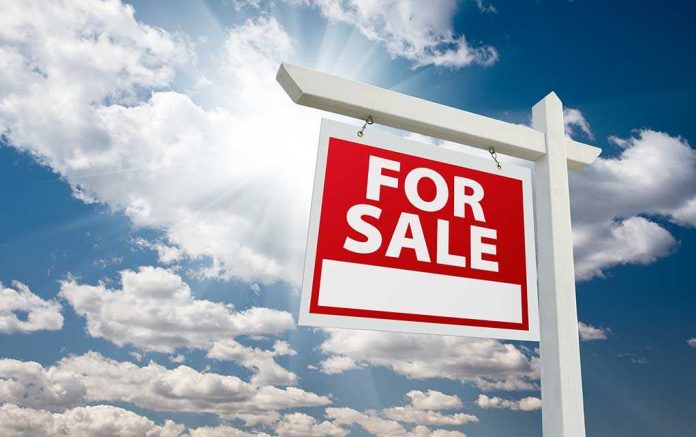
On July 1, 2025, the Dolton Village Board did what struggling towns across America are apparently supposed to do now: purchase the childhood home of a famous figure—in this case, Pope Leo XIV, formerly Robert Prevost. The 1,050-square-foot house at 212 E. 141st Place, once listed for $245,957, now belongs to the taxpayers of Dolton. The thinking, if you can call it that, is that the house’s new papal connection will somehow transform Dolton’s battered fortunes by attracting tourists and pilgrims. America’s decaying manufacturing towns, it appears, are expected to trade blue-collar jobs for bus tours and museum gift shops.
Mayor Jason House called the purchase a “once-in-a-lifetime opportunity”—and he’s right, if the opportunity is to distract from the real crises facing Dolton. While the mayor and trustees dream of museum crowds and economic windfalls, longtime residents are left wondering why, in a town still reeling from decades of job losses, sinking infrastructure, and rising crime, the solution is to buy a brick bungalow because a former resident wound up in the Vatican. The irony is palpable: government can’t fill potholes, but it can buy real estate for a pilgrimage trail.
Supporters Promise Renaissance, Critics See Misplaced Priorities
Proponents on the village board, with the mayor leading the charge, point to European towns whose historic papal homes now rake in tourist cash. They argue that Dolton could see an economic rebirth, finally leveraging its claim to fame. Trustee Edward Steave cited the rush of visitors—busloads, in fact—who descended on the neighborhood after Prevost’s election, as proof that the “tourism potential” is real. The plan: turn the property into a museum or pilgrimage site, and hope the crowds keep coming long after the headlines fade.
Yet residents like Mary Avent and Rev. Ryan Reese aren’t buying it. They see a government willing to sign checks for historic preservation while schools, roads, and public safety are underfunded and neglected. If the past decade has taught us anything, it’s that government “investments” in the name of progress or culture almost always mean higher taxes and fewer services for the people who actually live there. And when the tourists stop coming, guess who’s left holding the bag?
Taxpayers Foot the Bill While Infrastructure Crumbles
Dolton’s economic decline is no secret. Once a manufacturing stronghold, it’s now a town where jobs are scarce and the only thing growing is skepticism over how public money gets spent. The final price of the pope’s house remains undisclosed—how convenient—but officials promise it was “significantly lower” than the original listing. Even if true, that’s cold comfort to families watching schools close, property taxes rise, and city services wither on the vine. The board’s unanimous vote signals a government more concerned with national headlines than local headaches.
The home’s transformation into a museum or pilgrimage site is supposed to deliver jobs and revenue. But that’s a gamble with public funds in a town already struggling to meet basic needs. And let’s not forget: every dollar spent on this project is a dollar not spent on fixing potholes, hiring police, or improving schools. If Dolton’s revival depends on papal memorabilia rather than sound governance, residents can expect more grand gestures and fewer real solutions. Once again, government overreach and misplaced priorities trump common sense—and taxpayers pay the price.