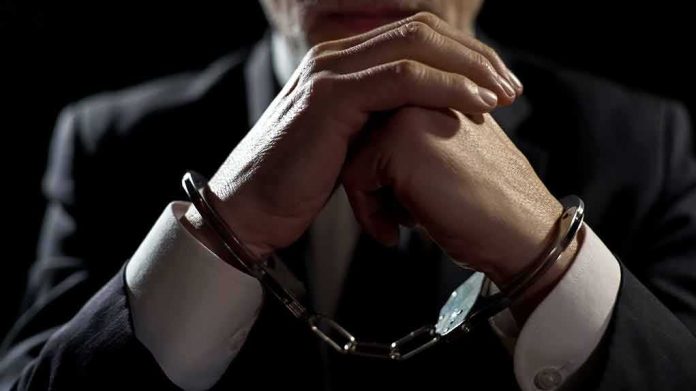
A federal jury says a tech founder lied about “smart ring” patents and partners, then used investor cash like a Ponzi fund.
Story Highlights
- A jury convicted Michelle Bisnoff on fraud, money laundering, and identity theft tied to a near-$2 million scheme
- Prosecutors said she claimed smart ring patents she did not own to win investor money
- The case included a fraudulent $150,000 pandemic relief loan, according to the government
- Officials say fake brand tie-ins and patent claims are a common bait in startup fraud cases
Jury Verdict and Core Findings
Federal prosecutors announced that a jury in Santa Ana convicted Michelle Bisnoff of securities fraud, wire fraud, money laundering, wire fraud tied to a pandemic relief loan, and aggravated identity theft. Prosecutors said she ran a near-$2 million Ponzi scheme through a smart ring venture. They said she lied about owning key patents and used new investor money to pay earlier investors and personal costs. Officials added she also took a $150,000 pandemic relief loan using false claims.
Reporters covering the trial said the counts stemmed from a 22-count charging document, with jurors returning guilty verdicts after hearing investor testimony and records. Coverage described a product pitch that promised tap-to-pay rings and big retail deals. Articles said jurors found the pitch was built on false claims about patents, sales, and business ties. The conviction followed several years of fundraising and spending that prosecutors tracked through bank and message records.
How the Scheme Worked, According to Prosecutors
The Justice Department said the scheme hinged on a core lie: that Bisnoff or her company owned the smart ring patents. Investigators said those patents belonged to others, but the false claim helped draw in cash. Prosecutors said she also faked or exaggerated ties to well-known brands and artists to boost credibility. Officials said the flow of funds, not product hype alone, showed a Ponzi pattern that used fresh investments to cover payouts and lifestyle costs.
The Securities and Exchange Commission’s complaint echoed the patent ownership claim, stating that the company never owned the smart ring patents it touted to investors. That filing said investors relied on those claims when deciding to fund the venture. The complaint laid out messages, offering materials, and money movements that, it alleged, showed a plan to raise cash on assets and deals that did not exist as pitched.
Pandemic Relief Fraud and Why It Matters
Prosecutors said the jury also convicted Bisnoff of wire fraud linked to a pandemic relief loan of $150,000. That part of the case ties a private investment scheme to public funds meant to save jobs. Federal watchdogs have warned that emergency programs were a ripe target for fraud during the crisis. Their reports found large sums went to suspect claims, which makes each prosecution a test of the system’s promise to protect taxpayers.
Enforcement officials say pandemic fraud hurts workers and small firms that needed help to survive. They argue that every false claim drains trust and cash from real needs. The government has increased audits, data checks, and criminal cases to claw back money. This conviction adds to a rising count of pandemic fraud cases and may shape sentencing and restitution in related schemes that mixed investor money and public relief funds.
Lessons for Investors and a System Under Strain
Regulators say startup fraud often pairs a real-looking product with claims about ownership, partners, or sales that do not hold up. They warn that name-dropping major retailers or artists can be a red flag when there is no signed deal. They also say “patent pending” or “we own the patent” lines should be checked against public records. In these cases, the money trail, not the demo, decides if this is fraud or only a failed bet.
Michelle Bisnoff, the CEO of wearable tech company Esos Rings Inc., was convicted of running a nearly $2 million Ponzi scheme.
Bisnoff tricked investors into believing she owned patents for “smart rings” payment technology that rightfully belonged to her former employer.
She…
— The Epoch Times (@EpochTimes) September 27, 2026
This case taps a deeper worry that powerful insiders can bend rules while regular people eat the loss. Investors on both the left and the right say they feel the game is rigged. They want clear rules, quick enforcement, and real penalties when someone lies to get money. Courts cannot fix all the trust gaps in our market, but a clean verdict with facts on the record is one step toward fairness and accountability.
Sources:
townhall.com, justice.gov, nbclosangeles.com, ground.news, foxla.com