Trump’s call for a total ban on Russian oil exports by Europe—and sanctions against China and India—signals a dramatic escalation in the battle over energy, sovereignty, and Western resolve.
Story Snapshot
- Trump demands Europe immediately halt all Russian oil and fossil fuel purchases, targeting what he calls dangerous loopholes in current sanctions.
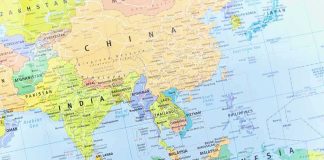
- He accuses China and India of directly funding Russia’s war in Ukraine through ongoing energy imports, urging tariffs and secondary sanctions on these nations.
- European allies resist the aggressive approach, worried about destabilizing energy markets and potential economic shocks.
- Experts warn the proposal could strain transatlantic unity and reshape global power dynamics, while US energy producers stand to gain if prices rise.
Trump’s Hardline Demands: Escalation Beyond Existing Sanctions
President Donald Trump publicly demanded that US allies in Europe immediately cease all purchases of Russian oil and fossil fuels, arguing that continued imports undermine Western unity and directly finance Moscow’s war machine. Trump’s proposal goes beyond the G7’s price cap, which was intended to choke off Kremlin revenues while avoiding global supply shocks. By calling for a total embargo and secondary sanctions—even on major economies like China and India—Trump is pressuring NATO and European leaders to close what he and his supporters see as dangerous loopholes that have allowed Russian energy exports to persist despite years of sanctions.
Trump’s position represents a sharp break from the more cautious, multilateral approach favored by prior US administrations and European partners. Instead of price caps and targeted sanctions, he urges a blanket ban and tariffs, seeking maximum leverage over adversaries and reluctant allies alike. This hardline stance is rooted in longstanding conservative frustrations with globalist policies and “woke” political compromises that, in their view, have weakened American influence and emboldened adversaries. Trump’s calls now echo through a US Congress increasingly receptive to tougher action, as Senate leaders and key House members intensify efforts to tighten the sanctions regime, even as Europe hesitates to follow suit.
Europe’s Reluctance and Deepening Transatlantic Divisions
European Union leaders, while acknowledging frustration with Moscow’s ongoing aggression, have resisted Trump’s demand for an outright embargo and the imposition of tariffs on nations like China and India. Instead, the EU continues to tighten existing sanctions and consider new restrictions, such as a potential liquefied natural gas ban, but stops short of the sweeping measures that Trump advocates. Key exemptions for Hungary and Slovakia remain in place, highlighting internal EU divisions. European officials cite concerns about energy security and the risks of price spikes or shortages, fearing that acting unilaterally could destabilize the continent’s economies and provoke political backlash at home.
Despite the rhetoric, there is no consensus among G7 or EU leaders on Trump’s proposals. Some European governments argue that secondary sanctions on China and India could fracture alliances and ultimately weaken the West’s hand against Russia. The EU’s latest, 19th sanctions package expands restrictions on Russian energy but avoids direct confrontation with major third-country buyers. Instead, European leaders emphasize transatlantic cooperation and incremental tightening, wary of unintended consequences that could undermine both economic stability and the long-term strategic goal of reducing dependence on Russian oil and gas.
Global Energy Markets: Risk of Volatility and Geopolitical Realignment
The Trump proposal injects new uncertainty into already volatile global energy markets. Russia remains a major producer, accounting for 12% of global oil output and 17% of gas exports. Analysts warn that an abrupt ban on Russian oil could trigger supply shocks and rapid price increases, impacting consumers in Europe and beyond. While the US energy sector—especially shale producers—could benefit from higher global prices, increased costs would ripple through allied economies, potentially fueling inflation and undermining popular support for sanctions. Meanwhile, China and India, as the largest buyers of Russian oil since 2022, continue to pursue affordable energy and strategic autonomy, complicating Western efforts to isolate the Kremlin financially.
Some experts argue that the G7’s price cap, although imperfect, has successfully limited Russian revenues without causing major disruptions. Legal analysts and policy institutes caution that enforcing secondary sanctions on China and India would be challenging without broad international buy-in, and could provoke retaliation or accelerated geopolitical realignment. The risk, according to industry observers, is that overly aggressive moves fracture transatlantic unity and push adversaries into tighter cooperation, reducing Western leverage in the long term.
BREAKING 🇺🇳 : Trump demands Europe stop buying Russian oil, hits India and China
— Zaid Ahmd (@realzaidzayn) September 23, 2025
For conservative Americans, Trump’s hardline approach resonates as a defense of national sovereignty, constitutional values, and the interests of American energy producers. Yet, the proposal’s practical implications—ranging from energy price volatility to potential diplomatic rifts—highlight the complex realities of global power politics. The ongoing debate underscores the deepening divisions within the Western alliance and raises fundamental questions about how best to protect American interests while confronting adversaries abroad.
Sources:
Why Trump wants to ban Russia from selling its oil
Weekly Sanctions Update: September 15, 2025
The EU won’t tariff China and India to please Trump—but it is working on a counteroffer
‘They’re funding the war against themselves’: Trump slams NATO, EU states for buying Russian oil
Donald Trump at United Nations: Russia, Ukraine, Hamas, Israel
U.S. Security Cooperation with Ukraine