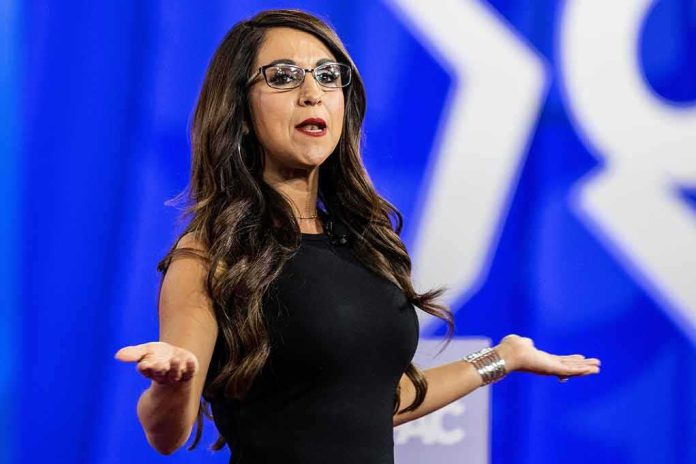
The White House asked Ambassador Kimberly Guilfoyle to resign after reports of messages seeking $100,000 from a GOP donor surfaced days before her 2025 Senate hearing.
Story Snapshot
- The White House requested Guilfoyle’s resignation amid misconduct reports.
- Donor Eric Deters says she asked him to wire $100,000 toward her American Express bill.
- Guilfoyle’s lawyer disputes the messages’ authenticity and says she was owed fees.
- President Trump said he is “looking at” firing her, signaling possible removal.
What Sparked the Resignation Request
President Trump told reporters the administration is weighing whether to fire Kimberly Guilfoyle as United States Ambassador to Greece, adding, “We’re not happy” with what has come out. Politico and other outlets reported the White House asked Guilfoyle to resign, escalating a personnel crisis before any public investigative report has been released. The move shifts the story from allegations about texts to a concrete step by the administration that could end her diplomatic post.
Republican donor Eric Deters alleges that in July 2025, just before Guilfoyle’s Senate confirmation hearing, she asked him to wire $100,000 to help pay her American Express bill. Media accounts describe screenshots that appear to include instructions to wire funds and suggest the payment would not “show up” in certain records, if authentic. Deters says she hinted at broad access in return. He did not pay, leaving no bank or card record to confirm a transfer.
The Conflicting Accounts on Money and Motive
Guilfoyle’s legal team denies wrongdoing and disputes the authenticity of the reported messages, offering a different reason for the money: unpaid fees for travel, speaking, and consulting tied to events before her nomination. Her lawyer, Jesse Binnall, told reporters the messages were inauthentic in some form and said Deters owed her for prior work. Guilfoyle also denied to administration officials that she sent the messages, according to reporting on internal conversations.
CBS, NBC, and others reported that Deters provided screenshots and a firsthand account, including his view that the exchange was a quid pro quo. CBS reported unnamed sources said White House officials were told the messages were authentic, but did not identify who verified them or how. No outlet has published a full forensic report, complete metadata, or a full conversation export. The lack of a completed payment also limits financial corroboration.
Why This Matters Beyond One Personnel Fight
The core issue blends ethics, evidence, and trust. The alleged request, the timing near a Senate process, and any promise of access raise red flags that both conservatives and liberals recognize: insiders getting special doors opened while regular people wait outside. Courts have long drawn a line between offering access and taking an “official act,” but the ethics test for public service asks for higher standards than what is merely legal. That gap feeds the belief that rules protect the powerful, not the public.
Americans also face a confusing evidence picture. Screenshots feel persuasive, yet they can be incomplete or manipulated. Reporters described select messages, while defense lawyers cast doubt without releasing their own records. That leaves citizens stuck between partial excerpts and blanket denials, with no shared set of documents to review. This is the kind of fog that lets institutions dodge clear answers and deepens the sense that the system serves itself first.
What Would Settle the Facts
Clear steps could resolve much of the dispute. A neutral digital forensic review of the full message history from both devices could verify timestamps, sender identity, and continuity. Bank and American Express records could confirm whether any payment was sent or attempted. Contracts, invoices, and calendars could show whether Deters owed legitimate fees. A transparent inspector general report, with documents attached where possible, would give the public something solid to judge.
🚨Just in: President Trump has demanded the resignation of Kimberly Guilfoyle as U.S. Ambassador to Greece, White House Press Secretary Katie Zacharia has confirmed pic.twitter.com/P6NCFEGbFo
— The Calvin Coolidge Project (@TheCalvinCooli1) October 13, 2026
Until that happens, the government’s actions risk becoming the evidence. A resignation request without a public record can look like quiet confirmation to some and a political scalp to others. Either way, it sidesteps the harder work: proving what happened. People across the spectrum are tired of that dance. They want proof, not whispers; rules that bind leaders, not just the led; and a government that earns trust by showing its work.
Sources:
cbsnews.com, politico.com, cnbc.com, courier-journal.com