A Dutch social media star was taken into custody by U.S. immigration officers at Newark Airport and moved to a private detention center, with officials still not explaining why.
Story Snapshot
- U.S. Immigration and Customs Enforcement (ICE) detained Dutch influencer Vera Dijkmans at Newark Liberty International Airport.
- Family says she is being held at Delaney Hall Detention Center in New Jersey.
- Reports describe poor conditions, but details come mainly from family statements.
- ICE has not publicly stated the legal basis for her detention.
What Happened At Newark Airport
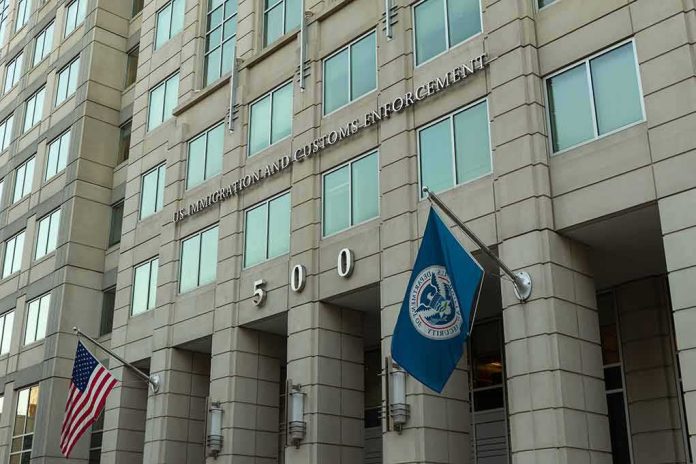
Multiple outlets reported that U.S. Immigration and Customs Enforcement took Dutch influencer Vera Dijkmans into custody after she arrived at Newark Liberty International Airport during the week of November 11, 2026. Family accounts relayed to Dutch and U.S. media said she was stopped after a flight from Miami and transferred to detention that same evening. A later summary repeated the family’s statement that she was detained at “the airport in Jersey” and taken by immigration officers.
Coverage from Australia and the Netherlands also placed the timing in mid-November and said she was moved off the flight and transported to a facility near Newark. Reports varied on her travel purpose, citing a sports event, but agreed on the airport detention and transfer. One account specified that the move happened on November 11 and that custody followed soon after landing at Newark. These reports align on location and custody, despite minor itinerary differences.
Where She Is Being Held
Family and friends posted that Dijkmans is being held at Delaney Hall Detention Center in New Jersey, a statement later reproduced by major outlets. Dutch media described Delaney Hall as a facility run by the private prison operator The GEO Group under a long-term contract with immigration authorities. Reporting cited a 15-year contract, worth about $1 billion, to detain up to 1,000 people at the site. These details frame why the case also raises questions about private detention.
Relatives shared concerns about basic needs, saying she could not bring personal items like a toothbrush into custody, and described crowded rooms and limited hygiene. Those claims come from interviews with her mother and do not include official facility records or an agency response. While conditions in private immigration centers have drawn scrutiny in past research, this case’s condition claims rest on family reports in the current record.
What Officials Have And Have Not Said
As of mid-November reporting, U.S. immigration authorities had not explained the legal basis for Dijkmans’s detention. Dutch and U.S. outlets noted that officials gave no public reason, and that her details did not appear in a public immigration database at the time those stories ran. One Dutch outlet said the foreign ministry was aware and offering consular help, but did not provide more information about the case’s status or timeline.
‘World’s most wanted’ OnlyFans model with 6m followers is arrested by ICE & cries over ‘unsanitary’ lockup conditions.
Dutch influencer and OnlyFans model Vera Dijkmans, who was arrested five days ago by US ICE agents, remains in custody without any reason given for her… pic.twitter.com/yT71EqLROj
— 7happy (@Sevenhappy007) November 17, 2026
Airport detentions often sit at a complex legal crossroads. A person who lands in the United States can still be treated as an “applicant for admission” during inspection. Courts have limited the right to counsel in that setting, and the government can hold some people during removal proceedings without a bond hearing under current law. Policy research also notes that immigration judges do not control custody for classes subject to mandatory detention; that authority rests with immigration officers.
Why This Case Resonates
This story touches nerves across the political spectrum. Many Americans want strong borders and fair rules that do not change with fame. Many also distrust a system that can detain people without clear public reasons, inside facilities run by private firms paid to keep beds full. Research has documented how private operators like The GEO Group profit from longer stays in custody, which fuels concern about incentives inside the detention system.
Supporters of tough enforcement may see this as standard law at work. Civil-liberties voters may worry about due process and transparency. Both sides can agree on one point: the public deserves clear facts when the government takes someone’s liberty. In this case, confirmed details establish that Dijkmans was stopped at Newark and is held at Delaney Hall. The missing piece is the official why, which only the agency can provide on the record.
What To Watch Next
Watch for an official statement from U.S. Immigration and Customs Enforcement that explains the legal grounds for detention and any next steps. Look for confirmation of any immigration-court filings, such as a Notice to Appear, and for a hearing date. Consular updates from Dutch authorities may also clarify her status. Facility records or inspections could address the claims about conditions. Until then, the verified facts are custody at Newark and continued detention at Delaney Hall.
Sources:
linkedin.com, news.com.au, nltimes.nl, dutchnews.nl, yahoo.com, dutchreview.com, constitution.congress.gov