Rex Ryan returned to ESPN airwaves days after Nashville police charged him with six misdemeanors from a late-night pedestrian crash, and that timing is the spark.
Story Snapshot
- Police say Ryan’s pickup struck two pedestrians and kept going before stopping at a red light.
- Officers detailed a right turn from Fourth Avenue onto Broadway near midnight on November 5.
- Ryan surrendered on November 11 after six misdemeanor warrants were issued.
- Both pedestrians reported minor injuries, and charges include leaving the scene.
What Police Say Happened On Broadway
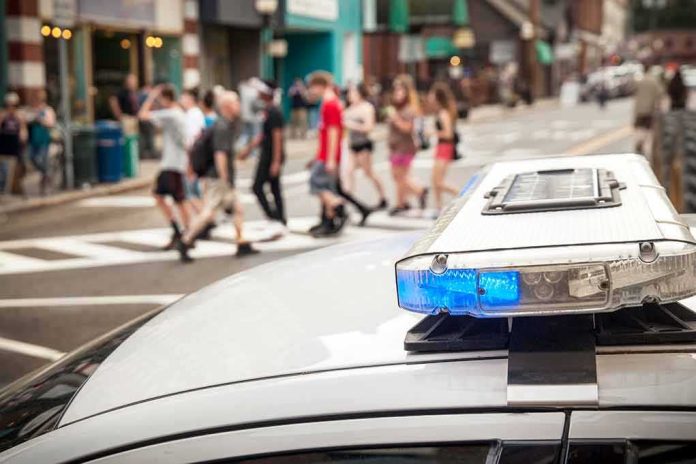
Metro Nashville Police described a tight sequence on a crowded strip. They allege the two pedestrians crossed Broadway with a walk signal when a pickup driven by Ryan turned right from Fourth Avenue. The truck rolled over both victims’ feet and bumped one victim’s leg. Officers say the vehicle continued, then stopped at a red light at Broadway and Representative John Lewis Way, where the pedestrians flagged the driver. Police say Ryan got out, argued, got back in, and drove away.
Officers secured six misdemeanor warrants. The counts include two for leaving the scene of an accident, two for failing to give information or render aid, and two for failing to obey a traffic signal. The paperwork followed the patrol narrative and victim statements. Nashville media and national outlets matched the location, maneuver, and timing details in their reports. The alleged contact occurred shortly before midnight on November 5 in the heart of downtown’s nightlife zone.
The Charges, The Surrender, And The Injuries
Ryan turned himself in on November 11 after learning of the warrants. His attorneys said he immediately surrendered and had been fully cooperative with law enforcement. They added they had limited information about the allegations at that time. Police and multiple outlets reported the victims had minor injuries that fit the charges tied to aid and information duties under the law. Ryan faces the six misdemeanor counts described by the department and court records.
ESPN reported the incident and the charge list, aligning with the Metro Nashville Police summary. The arrest has not produced a conviction or plea at this stage. The legal process will test the facts and determine any penalty. For now, the record shows a detailed police account, named charges, a prompt surrender, and reported minor injuries to both pedestrians. That makes the case a live and formal matter, not a rumor cycle.
Why The Studio Return Landed With A Thud
Ryan’s rapid return to ESPN drew attention because it collided with a public-safety story most cities know too well. Nashville has fought a steady drumbeat of hit-and-run cases with low arrest rates. In 2024, nearly 30 percent of the city’s crash reports involved hit-and-runs, with only a sliver leading to arrests. Most cases die for lack of leads or because victims choose not to proceed. That context explains why a named arrest tied to pedestrian harm gets loud coverage.
ESPN, I like these (2) broadcasters/analyst, however:
-Should Rex Ryan have been back in front of the camera's today on ESPN just yet with Nashville misdemeanor charges pending?
On the College Football 🏈 Final Show, why was Trevor Matich seemingly just thrown in/as he seemed…
— 〽️sBlkALABAMA (@MsBlkALABAMA) November 15, 2026
National data show the same pattern at scale. The American Automobile Association Foundation estimates hundreds of thousands of hit-and-run crashes each year, with pedestrians and cyclists bearing an outsized share of the pain. Recent figures report more than 240,000 injuries and thousands of deaths in a single year, with about one in four pedestrian or cyclist injuries or deaths coming from hit-and-runs. Media does not create the stakes here; the roadway math does.
What Accountability Should Look Like
Two duties matter after any crash with a person on foot. Stop. Help. Those simple steps fit law, decency, and common sense. When police allege a driver left without rendering aid, that cuts against the social compact that keeps roads civil. A fair court process must decide what happened and why. But culture also sets standards. Viewers watch how leaders, teams, and networks respond when one of their own faces a pedestrian-harm case. Swift, clear policies build trust.
Ryan’s attorneys say he cooperated, and the surrender supports that claim at least in part. That counts with many conservatives who value personal accountability and respect for law enforcement. The public also expects equal treatment under the law, no special lanes for fame. The police version includes a walk signal, a right turn into pedestrians, and a departure. If prosecutors prove those facts, penalties should reflect the duties every driver owes at a crosswalk, whether on Broadway or a back road.
What To Watch Next
Court filings will shape the next chapter. Expect defense steps to review video, map the turn path, and test visibility. Expect prosecutors to lean on the timing, location, and victim accounts. The case will likely hinge on contact, duty to aid, and the decision to leave. Meanwhile, ESPN faces its own judgment call: how to balance a high-profile voice with a high-stakes allegation. Viewers will notice whether the standards in studio match the standards at the crosswalk.
One more point deserves space. Nashville’s hit-and-run load is not a celebrity story. It is a street story. Cities that fix lighting, signal timing, turning speeds, and crosswalk design save lives. They also make post-crash choices less tragic because more drivers can stop safely and render aid without panic. Personal responsibility and better design are not rivals. Together, they cut the harm that puts families in hospital waiting rooms and drivers in courtrooms.
Sources:
washingtontimes.com, espn.com, apnews.com, tennessean.com, people.com, sandiegouniontribune.com, ketk.com