New Senate records show Jack Smith’s “Arctic Frost” probe subpoenaed data tied to more than 400 Republican targets, including lawmakers’ phone records secured under gag orders.
Story Highlights
- Senate Judiciary materials say subpoenas hit at least twenty GOP lawmakers and hundreds of Republican groups and individuals.
- Chairman Chuck Grassley released documents showing 197 subpoenas tied to about 430 Republican targets.
- Congressional Record notes at least 17 GOP lawmakers’ phone records were secretly obtained with gag orders.
- Jack Smith says the toll-record requests were lawful and approved by the Public Integrity Section.
Senate Disclosures Detail Scope Of Arctic Frost Subpoenas
Senate Judiciary documents state former Special Counsel Jack Smith’s team issued subpoenas for at least twenty members of Congress and for hundreds of groups and people, all Republicans. The materials describe wide requests that reached financial data from Republican groups and communications with media and the legislative branch. These disclosures expand the public picture and show how far the probe ranged into political activity. The records sharpen a core question for many conservatives: where is the line between law enforcement and political fishing.
Senate Judiciary Committee Chairman Chuck Grassley released records that he says total 197 subpoenas tied to the Trump election case. His release asserts those demands reached records for roughly 430 named Republican individuals and entities. That number puts size and direction on the operation. It also explains why concern has spread beyond Capitol Hill. When investigators seek information on hundreds of political actors from one party, the constitutional guardrails move from theory to a live test.
Phone Records Of Lawmakers And The Speech Or Debate Fight
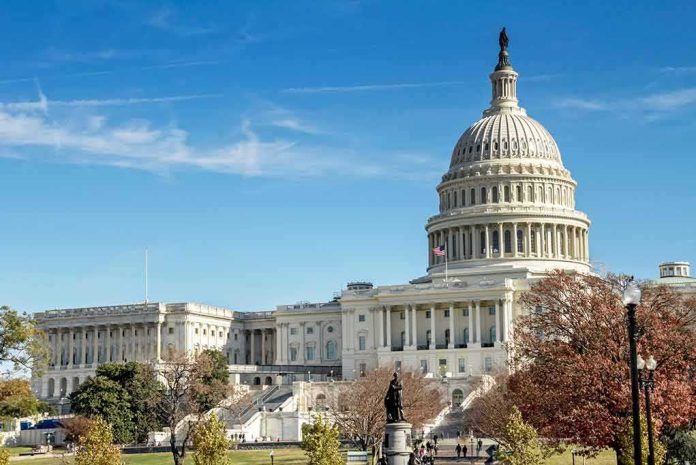
Congressional Record statements report that phone records for at least eleven Senators and six House members, all Republicans, were obtained under court-issued nondisclosure orders. Those gag orders prevented lawmakers from learning of the seizures at the time. The orders blocked immediate assertion of constitutional privileges. That includes the Speech or Debate Clause, which shields legislative work from executive and judicial intrusion. For many, secret grabs of lawmakers’ data cross a bright line.
House and Senate Republicans argue the toll-record strategy still hits protected legislative activity. A House Judiciary report says obtaining lawmakers’ toll records for calls linked to legislative acts conflicts with the Constitution’s Speech or Debate Clause. Supporters say metadata is not content and is common in probes. Critics counter that who a lawmaker called, and when, can reveal legislative deliberations. The clash is not abstract. It affects separation of powers and future oversight, no matter which party holds Congress.
Smith’s Defense: Lawful, Narrow, And Approved
Jack Smith has defended the subpoenas as legal and standard. He told senators the requests targeted toll records, not call contents, and were approved by the Department of Justice’s Public Integrity Section. He argued investigators needed non-content logs to map contacts during a fast-moving event and to understand the scope of any conspiracy. Supporters add that toll records list numbers, times, and durations, not the substance of calls or texts. That is the typical first step in complex cases.
Telecom executives have said they cannot ignore valid legal demands or court orders. That stance explains how prosecutors secured records under seal while companies complied. The legal process framework is plain. The dispute centers on whether this particular use respected constitutional limits on probing legislative work. Even if the process was “by the book,” lawmakers say process is not enough when the request itself risks exposing protected duties.
Why This Matters For Conservatives And The Constitution
These records point to a probe that swept through the Republican ecosystem during an election dispute. Conservatives see a pattern: secret orders, one-sided targets, and weak respect for constitutional lines. Grassley’s figure of 197 subpoenas and hundreds of Republican targets cements that fear. The Senate Judiciary site’s summary that all targets were Republicans underscores it. The issue goes beyond Trump. It hits every voter who expects balance when the government wields power.
Will Jack Smith be held accountable?
Referred to DOJ by Jim Jordan for alleged false statements to Congress about lawmaker records.
Accused of:
• Pulling GOP members’ phone toll records and hiding it with gag orders
• Getting text content involving 44 members of Congress
•…— MAGA’s the Fix™ (@MAGAsFix) September 29, 2026
President Trump’s administration now oversees the Justice Department. Congress will still press for answers and limits so this does not happen again. Lawmakers can legislate clear notice rules, tighter standards for member data, and firm protections for political association. The goal is simple and shared: stop real crime while guarding free speech, fair elections, and the separation of powers. That balance protects families, churches, small businesses, and every citizen’s voice in our republic.
Sources:
wsvn.com, pbs.org, judiciary.senate.gov, congress.gov, foxnews.com, courthousenews.com